Breaking: Minnesota Moves to Ban Crypto Kiosks Statewide Amid Scam Crisis
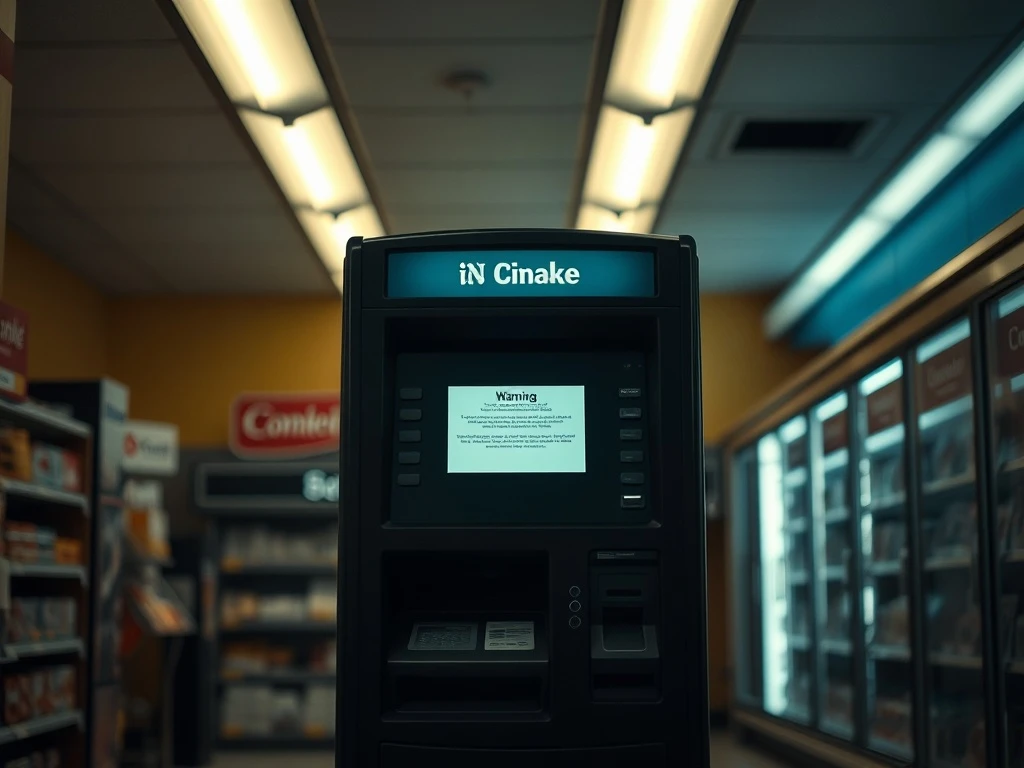
ST. PAUL, Minn. — April 10, 2026: Minnesota lawmakers are advancing a novel bill that would enact a full statewide prohibition on physical cryptocurrency kiosks. The proposed legislation, House File 3642 (HF3642), directly responds to a surge in sophisticated financial scams disproportionately targeting senior citizens. Consequently, this move positions Minnesota to become the first U.S. state to implement a complete ban on these digital asset access points. The crypto kiosks illegal Minnesota initiative stems from compelling data showing scammers systematically coach victims to bypass existing kiosk safeguards, rendering a 2024 consumer protection law ineffective.
HF3642 Proposes Rare Statewide Crypto Kiosk Ban
The Minnesota Commerce Department provided critical testimony that catalyzed the bill’s rapid progression. Officials presented data revealing a stark reality: only 48% of identified scam victims received any form of refund. Furthermore, those refunds averaged a mere 16% of the total reported financial loss. Representative Emma Greenstein (DFL-Minneapolis), the bill’s chief author, stated the existing regulatory framework has failed. “We crafted a law in 2024 with transaction limits and on-screen warnings,” Greenstein explained during a committee hearing. “However, bad actors now use detailed scripts, instructing victims in real-time to ignore warnings and, if necessary, to cross state lines to complete transactions.” This loophole has made enforcement nearly impossible for state authorities.
Also read: Arthur Hayes Makes Major $1.1M HYPE Purchase, Signaling Renewed Confidence as ETF Hype Intensifies
The legislative push follows a documented pattern where scammers, often impersonating government agents or family members in distress, direct victims to convert cash into cryptocurrency at physical kiosks. These kiosks, commonly known as Bitcoin ATMs, make possible the near-instantaneous and irreversible transfer of funds to anonymous digital wallets. The 2024 law mandated kiosk operators to implement daily transaction limits and prominent fraud warnings. Yet, according to Commerce Commissioner Grace Chen, compliance has been inconsistent, and the human element of coercion overrides digital warnings.
Quantifying the Impact: Senior Citizens Bear the Brunt
The financial and emotional toll on Minnesota’s elderly population is quantifiable and severe. A report from the AARP Fraud Watch Network indicates that reports of crypto-related scams from seniors in the state have increased by over 300% since 2023. The average loss per incident now exceeds $35,000. This impact extends beyond pure economics. “We see devastating secondary effects,” said Dr. Anil Patel, a geriatric psychologist at the Mayo Clinic consulted for the article. “Victims experience profound shame, deteriorating mental health, and a loss of independence that far outweighs the monetary loss.”
Also read: Crypto Clarity Act Gains Significant Backing as Armstrong Shifts Stance, Pressuring Congress
- Financial Devastation: Losses are often life-altering, draining retirement savings with little hope of recovery due to crypto’s pseudonymous nature.
- Erosion of Trust: The scams shatter victims’ trust in technology, financial systems, and sometimes their own judgment, leading to social isolation.
- Regulatory Gap: The current patchwork of state and federal laws creates jurisdictional confusion, allowing scams to flourish in the gaps.
Expert and Institutional Responses to the Proposed Ban
Reaction from industry and advocacy groups has been polarized. The Cryptocurrency Compliance Cooperative (CCC), a trade association, argues the ban is an overreach that punishes legitimate users for criminal acts. “A blanket ban removes a critical on-ramp to digital asset ecosystems for underbanked communities,” stated CCC spokesperson Marcus Lee. He pointed to enhanced, real-time identity verification technologies as a preferable solution. Conversely, the Minnesota Elder Justice Center has endorsed HF3642 without reservation. Its director, Maria Flores, testified, “When a tool is primarily weaponized against our most vulnerable, its public utility must be questioned. This is a necessary and proportionate response to an epidemic.” An external analysis from the Brookings Institution on similar regulatory challenges provides context, noting the tension between innovation and consumer protection is a central challenge for digital finance.
Broader Context: Minnesota in the National Regulatory Space
Minnesota’s aggressive stance places it among the first of a contentious national debate. While other states like Texas and Florida have implemented stricter kiosk registration and disclosure rules, none have pursued an outright ban. The following table compares regulatory approaches to cryptocurrency kiosks across several states, highlighting Minnesota’s proposed shift.
| State | Regulatory Approach (Pre-2026) | Key Requirements | Proposed/Final Changes |
|---|---|---|---|
| Minnesota | Transaction Limits & Warnings (2024 Law) | $1,000/day limit, on-screen fraud alerts | HF3642: Complete statewide ban on kiosks |
| Texas | Money Transmission License Required | Kiosk operator licensing, consumer complaint process | Enhanced KYC/AML rules proposed for 2026 |
| California | Disclosure-Based Regulation | Fee disclosure, physical address of operator posted | Debating transaction reversal protocols |
| New York | BitLicense Regime | Stringent operator licensing (BitLicense), heavy compliance | Focus on stablecoin oversight, not kiosk-specific rules |
What Happens Next: The Legislative and Industry Pathway
HF3642 must pass through the House Commerce Committee and the Senate’s companion committee before any floor votes. Legislative aides indicate the bill could reach the House floor within eight weeks. If passed, the law would establish a 180-day wind-down period for existing kiosk operators. Legal challenges are anticipated. Constitutional questions may arise regarding interstate commerce and potential preemption by future federal regulations. The U.S. Treasury’s Financial Crimes Enforcement Network (FinCEN) is currently drafting updated guidance for digital asset transactions, which could influence the final state-level outcome.
Stakeholder Reactions and the Public Response
Community response reveals a generational divide. Younger crypto adopters in urban centers like Minneapolis have organized small protests, arguing the ban stifles innovation and financial autonomy. Meanwhile, senior advocacy groups have launched letter-writing campaigns supporting the bill. “My mother lost everything to one of these scams,” shared David K. from Rochester in a public comment. “It wasn’t a transaction; it was a theft facilitated by a machine. The state has a duty to step in.” This raw public sentiment is a powerful force behind the bill’s momentum, illustrating a clash between technological frontierism and foundational consumer protection.
Conclusion
Minnesota’s push to outlaw crypto kiosks represents a watershed moment in U.S. digital asset regulation. The driving force is clear: quantified, devastating harm to senior citizens that existing laws cannot mitigate. While the proposed cryptocurrency ATM ban faces opposition from industry advocates who champion access and innovation, the political will appears focused on a definitive protective measure. The progression of HF3642 will test the balance between mitigating acute financial harm and shaping the infrastructure of a nascent financial system. Observers nationwide will watch closely, as Minnesota’s decision could establish a precedent for other states grappling with the same fraudulent schemes targeting vulnerable populations.
Frequently Asked Questions
Q1: What exactly does the Minnesota HF3642 bill propose?
HF3642 proposes a complete ban on operating physical cryptocurrency kiosks, commonly called Bitcoin ATMs, anywhere in the state of Minnesota. It includes a wind-down period for existing operators.
Q2: Why are lawmakers targeting crypto kiosks instead of other scam methods?
Data shows these kiosks are the preferred tool for scammers targeting seniors due to the irreversible nature of crypto transactions. Previous laws requiring warnings and limits have been easily circumvented by coached victims.
Q3: What is the timeline for this potential ban?
The bill is currently in committee. If it passes the legislature and is signed by the governor, the law would likely take effect after a 180-day implementation period, potentially by late 2026 or early 2027.
Q4: Can I still buy cryptocurrency in Minnesota if this ban passes?
Yes. The ban targets physical, cash-to-crypto kiosks only. Residents could still use online cryptocurrency exchanges, peer-to-peer platforms, or other digital methods to acquire assets.
Q5: How does Minnesota’s approach compare to other states?
Minnesota’s proposed ban is the most restrictive in the nation. Other states have focused on licensing operators, mandating disclosures, or setting transaction limits, but none have moved toward a full prohibition.
Q6: How will this affect legitimate businesses that operate these kiosks?
Kiosk operators would be required to remove their machines from Minnesota within the wind-down period. This could impact revenue for these businesses and potentially reduce physical access points for all users.

This article was produced with AI assistance and reviewed by our editorial team for accuracy and quality.