Memecoin Trading Surges Then Cools as Traders Execute Massive Profit-Taking Strategy

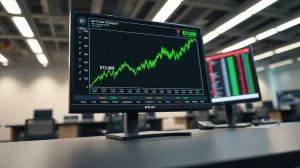
On Monday, January 6, 2025, the volatile world of cryptocurrency witnessed a significant but fleeting event: memecoin trading volume explosively surged to $5.62 billion, only to rapidly recede, highlighting a classic pattern of profit-taking and capital rotation that analysts say signals a cooling of speculative fervor. This sharp activity spike, which represented a 106% increase from the previous day, occurred alongside a concurrent 6% drop in the overall memecoin market capitalization, painting a clear picture of traders cashing in gains rather than new money fueling a rally.
Memecoin Trading Volume Spikes Amid Market Cap Decline
The data from CoinMarketCap presented a contradictory snapshot. Typically, rising trading volume accompanies price appreciation. However, the memecoin sector displayed the opposite dynamic. The total market value of these speculative assets fell to approximately $44.9 billion while activity on exchanges skyrocketed. This divergence is a critical indicator for market analysts. According to Vincent Liu, Chief Investment Officer at Kronos Research, this specific pattern points directly to heavy churn within the existing investor base.
Also read: Crypto Clarity Act Gains Significant Backing as Armstrong Shifts Stance, Pressuring Congress
Liu explained to Crypto News Insights that a surge in volume alongside a falling market cap rarely indicates fresh, bullish capital entering the ecosystem. Instead, it typically reflects three primary behaviors: profit-taking by early investors, short-term flipping by day traders, and capital rotation from one memecoin to another. “In thin liquidity conditions, elevated activity can still push prices lower even as volume spikes,” Liu stated, emphasizing how fragile these markets can be. The volume has since normalized, dropping over 24% to around $3.6 billion, further supporting the view that the speculative momentum was brief.
The Speculative Cycle of Memecoins Explained
Memecoins, by their very nature, are assets driven more by community sentiment, social media trends, and viral popularity than by fundamental utility or technological innovation. This makes them uniquely susceptible to rapid boom-and-bust cycles. The start of 2025 exemplified this, with the total memecoin market capitalization swelling from $38 billion on December 29 to a peak of $47.7 billion by January 5—a gain of over 25% in just one week.
Also read: XRP Price Prediction: Analyst Eyes $2 Target Before Potential Retest of Gaussian Channel Support
Kadan Stadelmann, Chief Technology Officer of the Komodo Platform, provided context for this behavior. “The overall fundamentals of the memecoin market are poor and driven by speculation,” Stadelmann noted. “This results in constant capital rotations between memecoins, causing price downturns in certain coins and appreciation in others.” He characterized these gains as prime candidates for reversion, meaning they are more likely to be given back than held steadily over time. This environment creates a perfect setting for the kind of profit-taking event observed on Monday.
Expert Insight on Market Mechanics
Analysts break down the post-spike mechanics clearly. Once a wave of profit-taking begins, it can trigger a cascade. Early sellers lock in gains, which applies downward pressure on prices. This pressure can force leveraged positions into liquidation, exacerbating the decline. As prices fall, momentum traders—who follow trends—step back from the market. This reduction in participation leads to wider bid-ask spreads and thinner order books, making the assets more volatile. Consequently, high volume events often cluster around specific catalysts, like a major price move or social media hype, before activity quickly returns to baseline levels.
Broader Context and Historical Precedent
This event cannot be viewed in isolation. The memecoin sector endured extreme turbulence in the preceding year. A 2025 report by CoinGecko research analyst Shaun Paul Lee highlighted the devastating impact, noting that crypto market volatility drove the number of project failures to a record high of over 11.6 million for the year. Memecoins were particularly decimated, underscoring their status as among the riskiest bets in the digital asset space. Their performance often serves as a temperature check for overall investor risk appetite; when memecoins rally, it suggests a “risk-on” environment.
Social media intelligence supports this narrative. Market intelligence platform Santiment reported a coinciding uptick in discussions around memecoins on Monday. However, the chatter was not uniformly positive. Santiment’s data indicated that conversations were heavily centered on frustration regarding repeated “rug pulls” and scams, yet a persistent cohort of traders remained drawn to the tokens by the allure of quick, substantial gains.
The Critical Role of Bitcoin in 2026
Looking forward, the trajectory of memecoins appears inextricably linked to the performance of Bitcoin, the flagship cryptocurrency. Stadelmann predicts Bitcoin will play a pivotal role in the sector’s fortunes this year. “Memecoins’ market performance in 2026 will as usual depend on Bitcoin, which underperformed gold in 2025,” he said. “The same could happen in 2026, which would be bearish for memecoins.”
This relationship exists because Bitcoin sets the overall sentiment for the crypto market. A strong, bullish Bitcoin trend tends to lift all boats, increasing capital flows into riskier altcoins and memecoins. Conversely, a stagnant or bearish Bitcoin market often leads to a broad retreat from speculative assets, as investors seek safety or exit the market entirely. Therefore, analysts watch Bitcoin’s price action and institutional adoption as leading indicators for the memecoin space.
Conclusion
The brief but dramatic spike in memecoin trading volume on January 6, 2025, serves as a textbook case study in cryptocurrency market dynamics. The event was not a sign of renewed bullish momentum but rather a clear signal of profit-taking and capital rotation after a strong weekly rally. Analysts from Kronos Research and Komodo Platform agree that the underlying fundamentals of the memecoin sector remain speculative, leading to high volatility and churn. As the market moves further into 2026, the performance of Bitcoin will be the dominant factor determining whether memecoins experience another speculative frenzy or continue to cool. For investors, this episode reinforces the importance of understanding market structure and the difference between volume driven by new investment and volume driven by internal capital shifts.
FAQs
Q1: What does it mean when trading volume spikes but the price falls?
This typically indicates selling pressure outweighs buying pressure. High volume confirms the price move is significant. In the context of memecoins, it strongly suggests widespread profit-taking, where many holders are selling to lock in gains, pushing the price down.
Q2: Why are memecoins considered more risky than other cryptocurrencies?
Memecoins are primarily driven by social sentiment, hype, and community trends rather than underlying technology, utility, or cash flow. They lack the fundamental development roadmaps or use cases of projects like Ethereum or Solana, making their value extremely volatile and susceptible to rapid crashes.
Q3: What is capital rotation in crypto markets?
Capital rotation refers to investors moving funds from one type of asset to another. In this case, it describes traders selling one memecoin after it has appreciated and using the proceeds to buy a different memecoin that they believe is poised for a rally, creating a rolling cycle of speculation.
Q4: How does Bitcoin’s performance affect memecoins?
Bitcoin is the market leader. Positive sentiment and rising prices for Bitcoin often increase overall confidence and investment in the crypto market, which can spill over into riskier assets like memecoins. If Bitcoin is stagnant or falling, investors typically reduce exposure to high-risk speculations, hurting memecoins.
Q5: What are the signs that memecoin speculation is cooling?
Key signs include a sharp drop in trading volume after a spike, declining social media engagement (or engagement focused on negative events like scams), a falling total market capitalization, and commentary from analysts pointing to profit-taking and thin liquidity, as was observed following the January 6th event.

This article was produced with AI assistance and reviewed by our editorial team for accuracy and quality.