Kalshi Sports Betting Faces Devastating Blow as Massachusetts Judge Issues Preliminary Injunction
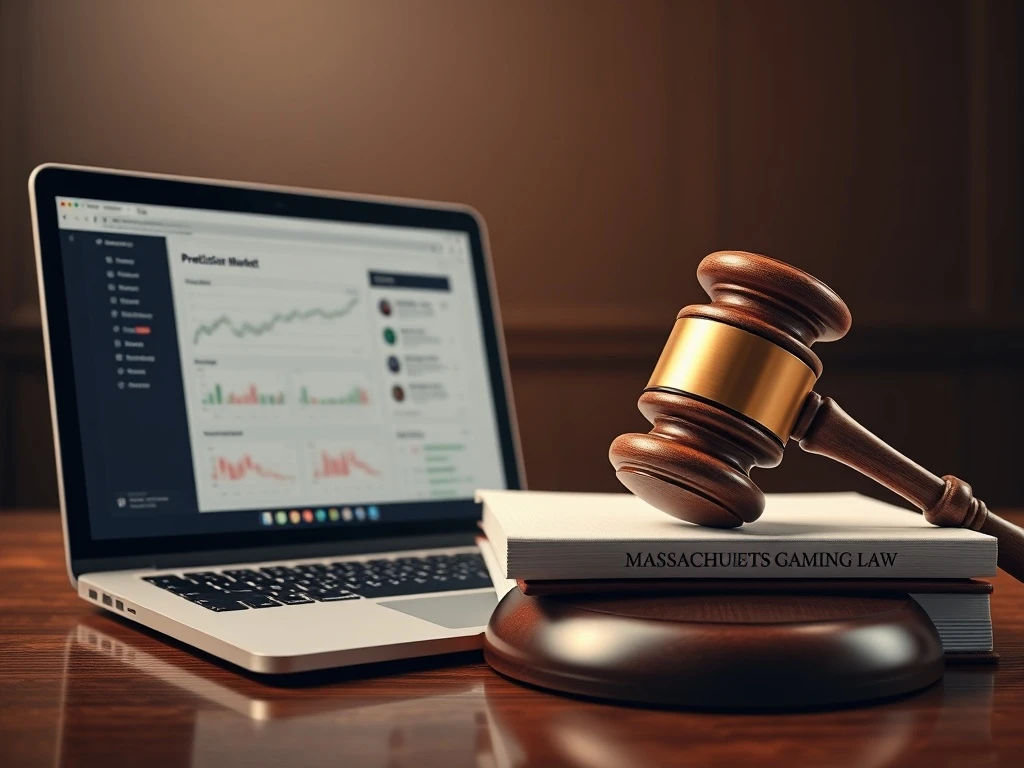
In a significant regulatory development on Tuesday, a Massachusetts judge delivered a devastating blow to prediction markets platform Kalshi, issuing a preliminary injunction that immediately bars the company from offering sports betting to state residents. Suffolk County Superior Court Judge Christopher Barry-Smith ruled that Kalshi must cease its sports wagering operations in Massachusetts without the required state gaming license, siding with Attorney General Andrea Joy Campbell’s September lawsuit alleging the platform offered “illegal and unsafe” betting. This ruling, reported by Reuters, represents a critical juncture for the burgeoning prediction markets industry and its ongoing struggle to address America’s complex gambling regulations.
Kalshi Sports Betting Faces Immediate Halt in Massachusetts
The preliminary injunction against Kalshi creates an immediate operational barrier within Massachusetts. Consequently, residents can no longer legally use the platform to wager on sports outcomes through its prediction market model. Judge Barry-Smith’s decision follows a formal request from Attorney General Campbell, who initiated legal proceedings against the company last fall. The core legal argument hinges on whether Kalshi’s contracts for difference, which allow users to bet on the probability of event outcomes, constitute illegal sports betting under Massachusetts law rather than legitimate financial instruments.
Also read: XRP Price Holds at $1.33 as Traders Eye $1.42 Breakout and Congressional Clarity Act
Massachusetts legalized sports betting in 2022, establishing a tightly regulated market with licenses granted to specific operators. The state’s Attorney General contends that Kalshi is effectively operating as an unlicensed sportsbook, thereby circumventing consumer protections, tax obligations, and integrity safeguards mandated for licensed entities. This enforcement action signals a clear intent to maintain strict boundaries around gambling activities, even when dressed in the innovative clothing of fintech and prediction markets.
Prediction Markets Work through a Complex Regulatory Space
The legal challenge against Kalshi underscores the broader regulatory ambiguity facing prediction markets in the United States. These platforms, which allow users to trade shares based on event outcomes, often occupy a gray area between financial speculation, gambling, and information aggregation. Unlike traditional sportsbooks that offer fixed-odds betting, prediction markets frame wagers as binary contracts—for example, “Will the Boston Celtics win the NBA championship?”—with prices fluctuating like a stock based on crowd sentiment.
Also read: Hyperliquid Priority Fees: Why HYPE Token Demand Could Surge
Key regulatory distinctions often hinge on several factors:
- Intent and Design: Whether the platform’s primary purpose is entertainment (gambling) or information discovery (financial markets).
- Contract Settlement: How outcomes are determined and payouts are structured.
- Skill vs. Chance: The degree to which outcomes depend on knowledgeable analysis versus pure luck.
Kalshi has consistently argued its markets are designed for hedging risk and gauging public sentiment, not for gambling. However, regulators in multiple jurisdictions remain skeptical, particularly when markets involve sporting events, which are explicitly covered by gambling statutes like the federal Professional and Amateur Sports Protection Act (PASPA) repeal and subsequent state laws.
Expert Analysis: A Precedent for Fintech Innovation
Legal experts following the case suggest the Massachusetts ruling could establish a consequential precedent. “This isn’t just about one platform,” notes a financial regulation professor from Boston University. “It’s a test case for how states will apply existing gambling frameworks to novel fintech products that blur traditional lines. The court’s interpretation of what constitutes a ‘bet’ versus a ‘financial contract’ will resonate far beyond Massachusetts.”
The timeline of events highlights the state’s methodical approach. After the legalization of sports betting, regulators established clear licensing protocols. Attorney General Campbell’s lawsuit in September 2024 marked the formal challenge, alleging Kalshi had failed to seek licensure while offering functionally identical services. The swift preliminary injunction indicates the court’s initial sympathy with the state’s position, potentially foreshadowing the final ruling’s direction.
The Ripple Effect on the Prediction Market Industry
This legal action creates immediate uncertainty for Kalshi and similar platforms like Polymarket, which recently entered a data partnership with Dow Jones. The injunction affects only Kalshi’s sports-related markets in Massachusetts; its other prediction markets on economic or political events may continue operating. However, the ruling empowers other state attorneys general to consider similar actions if they believe platforms are operating without proper authorization.
The impact extends to users and investors. Massachusetts residents using Kalshi for sports predictions must now cease activity, potentially facing account restrictions. For the venture-backed company, a prolonged legal battle could drain resources and limit growth in a key demographic market. Furthermore, the case may influence ongoing federal discussions about creating a specific regulatory framework for prediction markets, a debate that has intensified alongside their growing popularity.
Conclusion
The Massachusetts preliminary injunction against Kalshi sports betting represents a decisive moment in the convergence of technology, finance, and gambling law. Judge Barry-Smith’s decision reinforces state authority over gaming activities and challenges the argument that prediction markets operate outside traditional gambling definitions. As this case develops, it will provide vital clarity on the legal boundaries for innovative fintech platforms and shape the future space of regulated prediction markets in the United States. The outcome will undoubtedly influence how similar platforms structure their offerings and engage with state regulators moving forward.
FAQs
Q1: What exactly did the Massachusetts judge rule against Kalshi?
The Suffolk County Superior Court issued a preliminary injunction, a temporary court order, prohibiting Kalshi from offering markets related to sports betting to Massachusetts residents. The judge ruled this activity required a state gaming license, which Kalshi does not possess.
Q2: Can Kalshi still operate other types of prediction markets in Massachusetts?
Potentially, yes. The injunction specifically targets its “sporting betting” offerings. Markets based on political outcomes, economic indicators, or other non-sporting events might not fall under the state’s gambling definition, but their status remains subject to regulatory interpretation.
Q3: What is the legal difference between a prediction market and a sportsbook?
Traditional sportsbooks offer fixed-odds betting on event outcomes. Prediction markets allow users to buy and sell shares in a specific outcome, with prices fluctuating like a stock. The legal distinction often hinges on whether the activity is classified as gambling (based on chance) or a financial instrument (based on skill and information).
Q4: What happens next in the legal process?
This is a preliminary injunction, not a final ruling. The case will proceed through the court system. Kalshi can present its full defense, arguing its markets are not gambling. The court will eventually make a final determination, which could be appealed to a higher state court.
Q5: How does this affect users who have funds or open positions on Kalshi?
Users in Massachusetts should immediately review Kalshi’s communications and terms of service. Typically, an injunction would require the platform to void or settle existing sports-related contracts for state residents and prevent new ones. Users should contact Kalshi support directly for specific account implications.

This article was produced with AI assistance and reviewed by our editorial team for accuracy and quality.