Malaysia Used Car Market Surges Toward USD 27.04 Billion by 2031 as SUV Craze and Digital Revolution Reshape Industry
KUALA LUMPUR, Malaysia – The used car market in Malaysia is accelerating toward a significant valuation, with projections indicating it will reach USD 27.04 billion by 2031. This robust growth trajectory, highlighted in recent industry analysis, is fundamentally being shaped by two powerful forces: sustained consumer demand for Sport Utility Vehicles (SUVs) and the rapid adoption of digital transaction platforms. Consequently, the traditional automotive landscape is undergoing a profound transformation, creating new opportunities and challenges for dealers and consumers alike.
Malaysia Used Car Market Expands with Strong Fundamentals
Industry observers note the Malaysian used car sector has demonstrated remarkable resilience and growth. This expansion is not occurring in isolation but is supported by several key economic and social factors. Firstly, rising new car prices and increased financing costs have made pre-owned vehicles a more attractive option for a broader segment of the population. Additionally, improved vehicle quality and longer manufacturer warranties have significantly boosted consumer confidence in second-hand purchases. The market’s evolution reflects a mature automotive ecosystem where used cars are no longer seen as a compromise but as a smart, value-driven choice.
Also read: M Series ANC Token Presale Launches with Detailed Vesting
Furthermore, Malaysia’s economic recovery and stable household incomes have sustained automotive demand. The used car market often acts as a critical entry point for first-time vehicle owners and a practical upgrade path for families. Market data consistently shows that transaction volumes in the pre-owned segment frequently outpace new car sales, underscoring its vital role in national mobility. This segment provides essential transportation solutions while also supporting thousands of small and medium-sized enterprises across the country.
SUV Demand Drives Value and Volume Growth
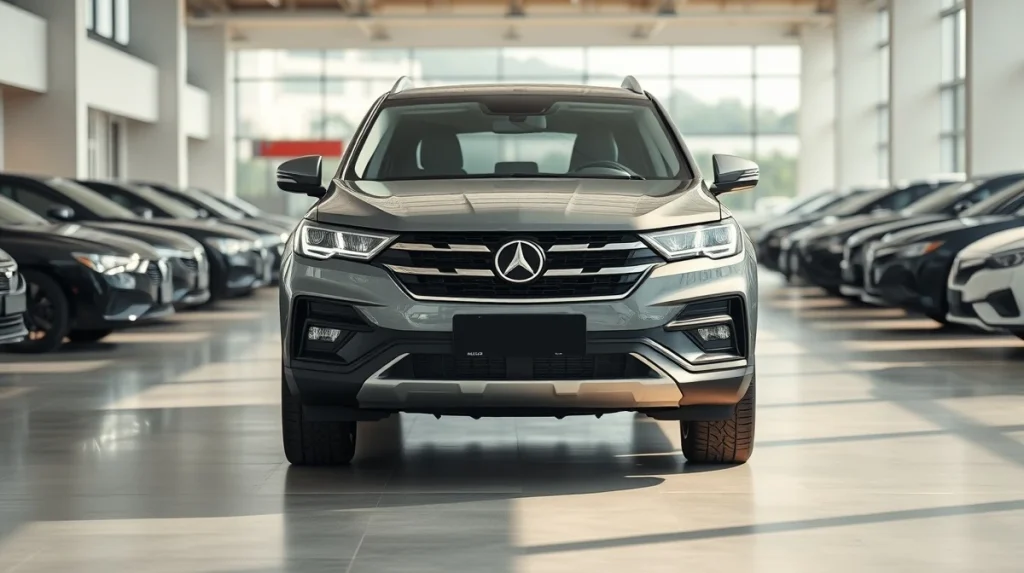
A dominant trend fueling this market expansion is the unwavering consumer preference for SUVs. This segment’s popularity continues to reshape inventory and pricing dynamics within used car lots nationwide. Buyers are consistently seeking these vehicles for their perceived safety, spaciousness, and versatility, which are well-suited to both urban and rural Malaysian driving conditions. As a result, used SUVs often command premium prices and faster turnover rates compared to sedans and hatchbacks.
Also read: Pepeto Presale Attracts Investor Interest Amid Meme Coin Rally
Analyzing the SUV Preference Shift
The shift toward SUVs mirrors global automotive trends but has distinct local characteristics. Malaysian families, in particular, favor vehicles with higher seating positions and greater cargo capacity. The robust resale value of popular SUV models from Japanese and Korean manufacturers further reinforces this cycle. Dealers actively curate their inventory to meet this demand, knowing that a well-maintained SUV is likely to be a quick and profitable sale. This consumer behavior directly influences the overall market valuation, pushing the average transaction price upward and contributing substantially to the projected billion-dollar market size.
Digital Platforms Transform the Buying Journey
Perhaps the most significant change in recent years is the digitization of the used car buying process. Online platforms have moved beyond simple classified listings to become comprehensive marketplaces. These digital ecosystems offer vehicle history reports, financing options, virtual inspections, and even home delivery services. For instance, they provide transparency that was previously difficult to achieve, such as verified mileage and accident records. This technological shift has expanded market reach, allowing buyers in smaller towns to access inventory from major urban centers.
The adoption of digital tools has also streamlined operations for dealers. Inventory management, customer relationship management, and pricing analytics are increasingly powered by specialized software. This operational efficiency reduces overhead costs and can lead to more competitive pricing for consumers. The trust built through these transparent, platform-mediated transactions is a key factor in market growth, as it lowers the perceived risk of buying a used vehicle. The digital transformation is, therefore, not just a trend but a foundational change in how the market functions.
Comparative Market Dynamics and Future Outlook
When examining the automotive sector, the used car market’s growth often presents a contrasting picture to the new car segment. While new car sales can be volatile, influenced by model launches and government tax policies, the used market typically shows more stable, demand-driven growth. The following table outlines key comparative factors:
| Factor | New Car Market | Used Car Market |
|---|---|---|
| Primary Demand Driver | Model innovation, status | Value, practicality |
| Price Sensitivity | High (large ticket item) | Moderate (wider price range) |
| Impact of Economic Cycles | Significant | More resilient |
| Role of Digital Platforms | Mainly research and branding | Full transaction enabler |
Looking ahead, several factors will influence whether the market meets its 2031 projection. The pace of electric vehicle (EV) adoption represents both a challenge and an opportunity. As new EVs enter the market, a wave of used internal combustion engine vehicles may become available, potentially increasing supply. Conversely, the development of a reliable used EV market will depend on battery health verification technology and charging infrastructure. Regulatory developments, particularly related to vehicle inspections and emissions standards, will also play a crucial role in shaping market quality and consumer confidence.
Conclusion
The Malaysia used car market is on a clear path of expansion, underpinned by the potent combination of SUV popularity and digital innovation. Projections pointing toward a USD 27.04 billion valuation by 2031 reflect deep-seated trends in consumer behavior and technological adoption. This market’s growth is essential for providing affordable mobility and supporting the broader automotive ecosystem. Its continued evolution will depend on maintaining transparency, embracing technology, and adapting to new vehicle technologies, ensuring it remains a cornerstone of Malaysia’s transportation landscape.
FAQs
Q1: What is the main driver behind the growth of Malaysia’s used car market?
The growth is primarily driven by strong consumer demand for SUVs and the widespread adoption of digital platforms that make buying and selling used cars easier, safer, and more transparent.
Q2: Why are SUVs so popular in the Malaysian used car market?
SUVs are favored for their practicality, safety features, high driving position, and spaciousness, which suit diverse Malaysian road conditions and family needs. They also tend to hold their value well, making them attractive used purchases.
Q3: How have digital platforms changed the used car buying process?
Digital platforms have transformed the process by offering online listings with detailed vehicle histories, financing options, virtual inspections, and secure payment methods. This increases transparency, builds trust, and expands market access beyond local geographic limits.
Q4: What challenges could affect the market’s growth toward 2031?
Potential challenges include economic fluctuations impacting consumer spending, the future integration and valuation of used electric vehicles, and evolving government regulations concerning vehicle standards and emissions.
Q5: How does the used car market compare to the new car market in Malaysia?
The used car market is generally more resilient to economic shifts, offers greater value and a wider price range, and is currently experiencing a more profound transformation through digital transaction platforms compared to the new car market.

This article was produced with AI assistance and reviewed by our editorial team for accuracy and quality.