Ledger Reveals Critical Android Flaw Targeting Crypto Seed Phrases
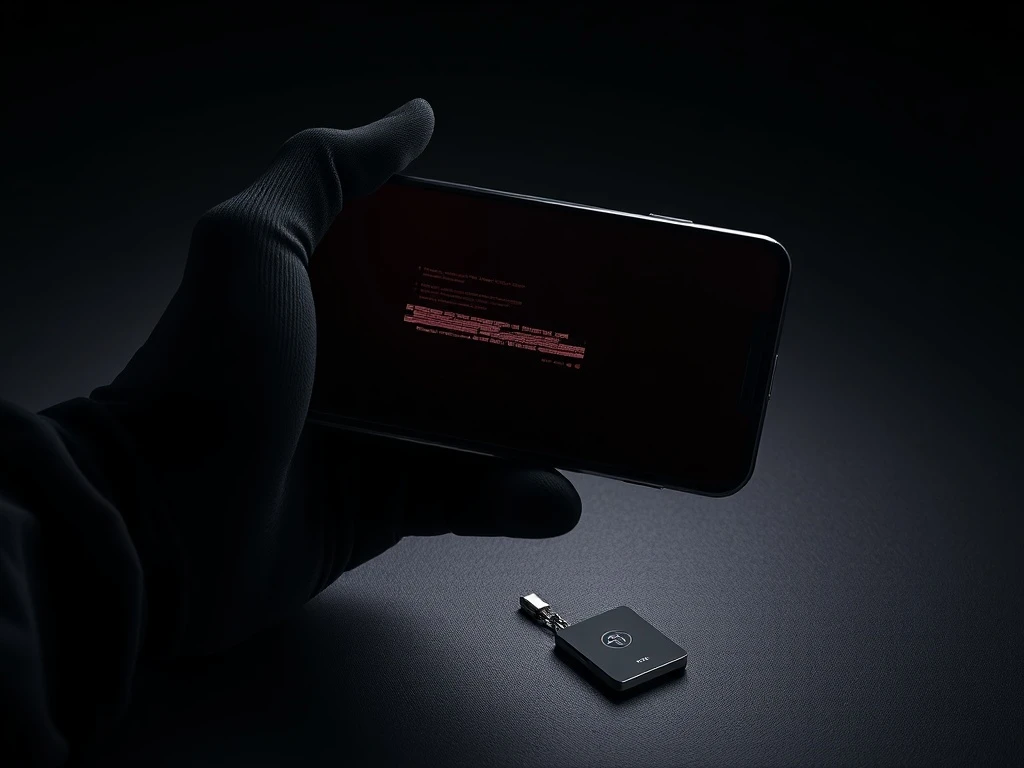
PARIS, FRANCE — March 15, 2026: Hardware wallet giant Ledger has disclosed a critical security vulnerability within the Android operating system that directly targets the recovery seed phrases of cryptocurrency wallets. The company’s security team, Ledger Donjon, identified the flaw during routine penetration testing last week. This Android security vulnerability potentially exposes millions of cryptocurrency holders who use mobile wallets or connect hardware wallets to Android devices. The flaw exploits a privilege escalation chain in Android’s memory management, allowing malicious applications to extract sensitive data previously considered secure. Ledger immediately notified Google’s Android Security Team upon discovery, triggering a coordinated disclosure process.
The Technical Mechanism of the Android Flaw
Ledger’s Chief Security Officer, Charles Guillemet, detailed the exploit in a technical bulletin published this morning. The vulnerability, tracked as CVE-2026-1842, exists in a core Android system service responsible for managing inter-process communication (IPC). Consequently, a malicious app with standard user permissions can execute a series of steps to gain elevated privileges. This process ultimately allows the app to read protected memory regions belonging to other applications. “The attack vector is particularly insidious,” Guillemet stated. “It doesn’t require physical access or rooting the device. A user simply needs to install a compromised application from a third-party store or via a phishing link.”
Once the malicious app gains access, it can scan the device’s memory for patterns consistent with seed phrases—the 12 to 24-word mnemonic codes that control cryptocurrency wallets. Security researchers at the University of Cambridge’s Computer Laboratory confirmed this methodology in a 2025 paper on memory scraping attacks. The Ledger Donjon team reproduced the attack in a controlled lab environment, successfully extracting seed phrases from five popular software wallet apps running on Android versions 12 through 15. The flaw does not affect iOS devices.
Immediate Impact and At-Risk User Base
The disclosure has sent shockwaves through the cryptocurrency community, which holds an estimated $4.3 trillion in total market value. While hardware wallets like Ledger and Trezor are designed to keep seed phrases offline, users often initialize or recover them using mobile phones. This practice creates a critical window of exposure. Furthermore, millions rely exclusively on mobile software wallets such as Trust Wallet, MetaMask Mobile, and Exodus. These apps are directly vulnerable if the device is compromised.
Also read: Chainlink (LINK) Whale Activity Surges as Binance Records Staggering $92 Million Outflow
- Direct Seed Phrase Theft: Any application holding or processing a seed phrase in device memory is vulnerable to extraction.
- Compromised Wallet Initialization: Users setting up a new hardware wallet via an Android phone risk exposing their seed during the generation process.
- Cross-Application Contamination: The flaw could allow access to password managers or authenticator apps, compounding the security breach.
Estimates from blockchain analytics firm Chainalysis suggest over 200 million active cryptocurrency users globally, with a majority accessing services via mobile. Android holds a 70% share of the global mobile OS market, magnifying the potential scale of the threat.
Expert Analysis and Institutional Response
Maddie Kennedy, a former NSA cybersecurity analyst and current fellow at the Stanford Center for Internet and Society, emphasized the gravity of the finding. “This isn’t a bug in a single app. It’s a systemic failure in Android’s security model that undermines a foundational principle of cryptocurrency self-custody,” Kennedy explained. “The very act of writing a seed phrase to a device’s memory, even temporarily, has now been proven dangerously insecure on the world’s most popular mobile platform.” Google’s Android Security Team acknowledged receipt of Ledger’s report. A spokesperson confirmed a patch is in development and will be included in the upcoming Android Security Bulletin for March 2026. However, the patch’s rollout depends on individual device manufacturers and carriers, a process historically slow and fragmented.
Historical Context and Comparative Vulnerabilities
This incident marks a significant escalation in mobile-focused crypto threats. Previously, major attacks relied on social engineering, fake apps, or phishing websites. The last comparable system-level flaw was the “StrandHogg” vulnerability in 2019, which allowed app spoofing. This new flaw operates at a deeper, more privileged level. The table below contrasts this Android flaw with other notable crypto security incidents.
| Incident | Year | Target | Primary Vector |
|---|---|---|---|
| Ledger Android Flaw (CVE-2026-1842) | 2026 | Android OS System Service | Memory Extraction / Privilege Escalation |
| LastPass Security Breach | 2022 | Cloud Password Manager | Compromised Developer Account |
| FTX Exchange Collapse | 2022 | Centralized Exchange | Corporate Mismanagement / Fraud |
| Poly Network Hack | 2021 | Cross-Chain Bridge Protocol | Smart Contract Exploit |
Unlike exchange hacks or smart contract exploits, this vulnerability attacks the personal device, the last line of defense for self-custodied assets. It highlights a growing trend identified by the U.S. Cybersecurity and Infrastructure Security Agency (CISA): the convergence of traditional mobile malware tactics with financially motivated cryptocurrency theft.
Mitigation Steps and Forward-Looking Security Posture
Ledger and independent security experts have published a clear set of immediate actions for users. First, avoid generating or entering seed phrases on any Android device until a security patch is confirmed installed. Second, migrate assets from software wallets on Android to a hardware wallet initialized on a secure, offline computer. Third, scrutinize all installed applications and remove any from unknown developers. Finally, enable Google Play Protect and strictly avoid sideloading apps from unofficial sources. Looking ahead, this flaw will likely accelerate industry shifts. “We anticipate increased adoption of air-gapped signing methods, like QR code-based transactions, and more reliable secure elements within smartphones themselves,” said Eric Larchevêque, Executive Chairman of Ledger. The company has fast-tracked development of its Ledger Stax device’s Bluetooth security protocols in response.
Community and Industry Reactions
The reaction from the cryptocurrency community has been a mix of alarm and frustration. Many users on social media platforms criticize the slow pace of Android security updates. Conversely, some iOS users have expressed renewed confidence in Apple’s walled-garden approach. Competing hardware wallet manufacturer Trezor issued a statement advising its users to follow the same mitigation steps and reaffirming that its devices never expose the seed phrase digitally. The broader cybersecurity industry views this as a wake-up call. It underscores the need for operating systems to provide hardware-backed “vaults” for sensitive financial data, similar to the secure enclaves used for biometric information.
Conclusion
The revelation of this Android security vulnerability by Ledger represents a important moment for mobile cryptocurrency security. The flaw’s ability to target crypto seed phrases directly challenges a core assumption of digital asset safety. While a patch is forthcoming, the fragmented nature of Android updates leaves a vast user base temporarily exposed. The immediate takeaways are clear: treat Android devices with heightened suspicion for sensitive crypto operations, prioritize hardware wallets initialized in offline environments, and demand faster security updates from manufacturers. This event will undoubtedly shape security best practices, product development, and user behavior in the cryptocurrency space for years to come. The industry’s response to this systemic hardware wallet security flaw will test its resilience and commitment to true user sovereignty.
Frequently Asked Questions
Q1: What exactly does this Ledger Android flaw allow hackers to do?
The vulnerability, CVE-2026-1842, allows a malicious app on an Android device to escalate its privileges and read protected system memory. This enables the app to scan for and extract cryptocurrency seed phrases that are temporarily stored by wallet applications during setup, recovery, or transaction signing.
Q2: Are iPhone or iOS users affected by this crypto seed phrase vulnerability?
No. The specific flaw exists within a core service of the Android operating system. iOS uses a different architecture and is not susceptible to this particular exploit. However, iOS users should still follow general security best practices.
Q3: What is the timeline for a fix? When will my Android phone be safe?
Google has developed a patch and will include it in the March 2026 Android Security Bulletin. However, the update must then be distributed by your phone’s manufacturer (Samsung, Google, OnePlus, etc.) and your mobile carrier. This process can take weeks or months. Check your device’s security update settings regularly.
Q4: I just set up my Ledger wallet using my Android phone last week. What should I do?
You should consider your seed phrase potentially compromised. The safest action is to transfer all assets from the wallets generated by that seed phrase to new wallets created by a brand new seed phrase. Generate the new seed phrase on a trusted, offline computer—not a mobile device.
Q5: How does this flaw change the broader sector of cryptocurrency security?
It shifts significant threat focus from centralized exchanges and smart contracts to the personal device. It highlights that the “soft” link in the security chain is often the general-purpose operating system, pushing the industry toward more air-gapped solutions and hardware-based security within phones themselves.
Q6: Does using a hardware wallet like Ledger still protect me if I connect it to my Android phone?
The hardware wallet itself remains secure, as the seed phrase never leaves its secure chip. However, if you confirmed a malicious transaction on your wallet’s screen because the Android app was compromised, you could still lose funds. The flaw reinforces the critical rule: always verify transaction details on your hardware wallet’s screen, not the phone’s.

This article was produced with AI assistance and reviewed by our editorial team for accuracy and quality.