
Tennessee Crypto Mining Revolution: Kingsport’s Strategic Zoning Overhaul Unlocks Digital Future
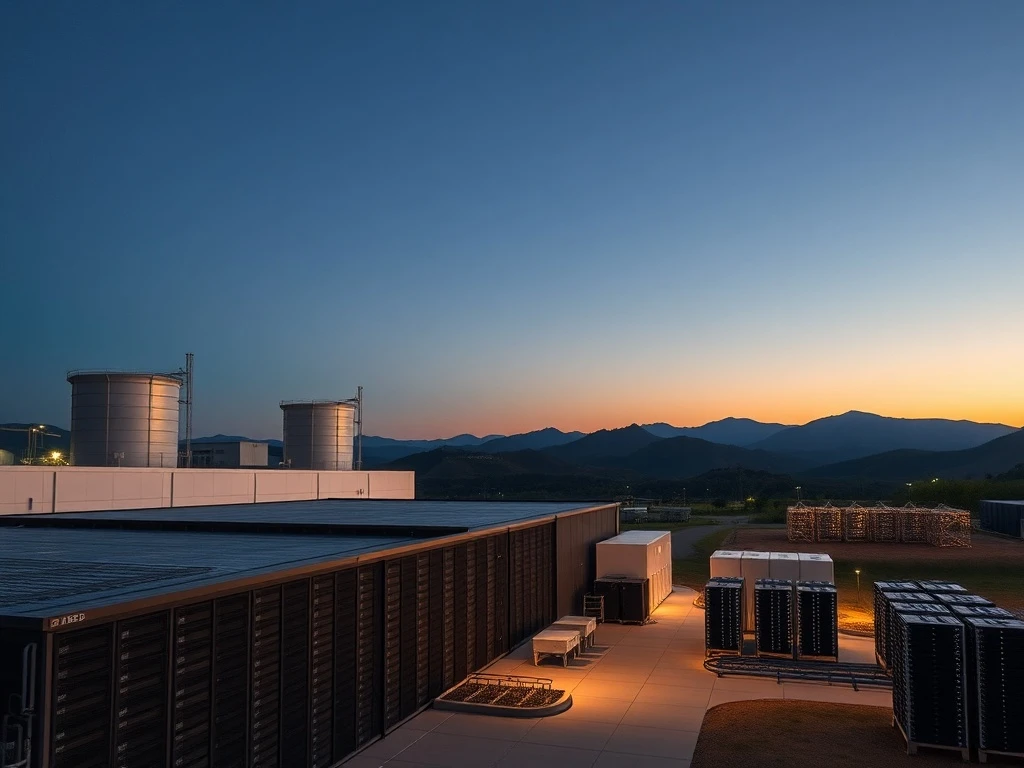
Kingsport, Tennessee – February 2025: The Board of Mayor and Aldermen has unanimously approved groundbreaking zoning amendments that strategically position this Appalachian city as a welcoming hub for cryptocurrency mining operations and data centers, marking a significant shift in municipal digital infrastructure policy.
Kingsport’s Strategic Zoning Overhaul for Digital Industries
The Kingsport Board of Mayor and Aldermen recently approved comprehensive changes to the city’s industrial zoning regulations. These amendments specifically address the unique requirements of cryptocurrency mining facilities and data centers. Consequently, the city now provides clear guidelines for where these operations can locate and how they must operate. The planning commission’s December recommendation highlighted that existing industrial zoning codes were created without anticipating today’s mass digitization demands. Therefore, this proactive amendment allows Kingsport to appropriately permit and locate emerging digital industries seeking development sites.
According to the approved ordinance, cryptocurrency mining companies must operate within completely enclosed buildings. Additionally, these facilities cannot be located within 500 feet (152 meters) of residential buildings or districts. The regulations also mandate that operations submit to sound studies, with maximum sound levels capped at 60 dBA from property lines. These specific requirements address common community concerns while creating predictable parameters for potential investors.
National Context for Crypto Mining Regulations
Kingsport’s regulatory approach emerges amid evolving national conversations about cryptocurrency mining. Several U.S. jurisdictions have faced challenges balancing economic development with community impacts. For instance, Hood County in Texas has seen resident lawsuits over noise complaints from mining operations. Meanwhile, Tennessee has generally positioned itself as mining-friendly, with companies like CleanSpark acquiring multiple facilities around Knoxville in 2024.
The regulatory landscape varies significantly across states:
| State | Regulatory Approach | Key Features |
|---|---|---|
| Tennessee | Municipal Zoning Focus | Local noise and location regulations |
| Texas | Market-Driven with Grid Management | ERCOT integration, demand response programs |
| New York | Environmental Restrictions | Proof-of-Work mining moratorium considerations |
| Wyoming | Pro-Business Legislation | Digital asset banking laws, tax benefits |
Kingsport’s measured approach contrasts with more restrictive policies seen elsewhere. The city’s regulations specifically address community concerns while creating development opportunities. This balanced framework could serve as a model for other municipalities navigating similar decisions.
Economic and Infrastructure Implications
With approximately 57,000 residents, Kingsport ranks among Tennessee’s top twenty cities by population. The zoning changes could attract significant investment to the region. Data centers and mining operations typically require:
- Substantial electrical infrastructure
- Advanced cooling systems
- High-speed internet connectivity
- Skilled technical workforce
These requirements could stimulate local economic development across multiple sectors. Furthermore, the regulations create predictable parameters for potential investors considering the region.
Tennessee’s Broader Digital Asset Strategy
Kingsport’s zoning amendments align with broader state-level initiatives. Recently, Tennessee House Representative Jody Barrett introduced the Tennessee Strategic Bitcoin Reserve Act. This proposed legislation would authorize the state treasurer to allocate up to 10% of Tennessee’s general fund to Bitcoin investments. Although the bill’s political prospects remain uncertain, its introduction signals growing legislative interest in digital assets.
Tennessee’s regulatory environment has attracted several cryptocurrency companies. The state offers relatively low electricity costs and favorable business climates. Additionally, Tennessee’s geographic location provides natural cooling advantages for energy-intensive operations. These factors collectively position Tennessee as increasingly competitive in the digital infrastructure sector.
Community Considerations and Noise Mitigation
The 60 dBA sound limit established in Kingsport’s ordinance represents a practical compromise. For context, this sound level approximates normal conversation volume. By comparison, typical urban background noise measures 50-60 dBA. The requirement for enclosed buildings further reduces potential noise impacts. These provisions directly address concerns raised in other jurisdictions where mining operations have generated community friction.
Successful implementation will require ongoing monitoring and enforcement. The city’s planning division will likely develop specific protocols for sound measurement and compliance verification. Additionally, the 500-foot residential buffer provides spatial separation between industrial and residential uses. This distance requirement helps mitigate multiple potential impacts beyond just noise concerns.
Technical Requirements for Crypto Mining Operations
Cryptocurrency mining facilities have distinct technical requirements that influenced Kingsport’s regulatory approach. These operations typically demand:
- Continuous high-power electrical supply (often 20-100+ megawatts)
- Advanced cooling systems to manage heat generation
- Robust security measures for physical and digital assets
- Redundant internet connectivity with low latency
The requirement for completely enclosed buildings addresses several of these needs simultaneously. Enclosed structures facilitate climate control, security implementation, and noise reduction. Furthermore, this requirement ensures operations maintain consistent appearances within industrial districts.
Conclusion
Kingsport’s zoning amendments represent a forward-thinking approach to cryptocurrency mining and data center regulation. The city has established clear, reasonable parameters that balance economic development with community protection. These regulations position Kingsport competitively within Tennessee’s growing digital infrastructure landscape. As cryptocurrency mining continues evolving, such municipal frameworks will likely influence broader regulatory discussions. The Kingsport model demonstrates how local governments can proactively shape digital economic development while addressing legitimate community concerns.
FAQs
Q1: What specific requirements must crypto mining operations meet in Kingsport?
Cryptocurrency mining facilities must operate in completely enclosed buildings located at least 500 feet from residential areas. They must also comply with a maximum sound level of 60 dBA measured from property lines, verified through sound studies.
Q2: How does Kingsport’s approach compare to other Tennessee cities?
Kingsport’s zoning amendments create specific regulations for crypto mining, while other Tennessee cities may have more general industrial zoning. The city’s proactive approach addresses unique digital infrastructure requirements that traditional zoning didn’t anticipate.
Q3: What economic benefits could these zoning changes bring to Kingsport?
Potential benefits include increased tax revenue, job creation in technical fields, infrastructure investment, and positioning the city as attractive for future digital economy investments. Data centers and mining operations often stimulate related economic activity.
Q4: How will the sound regulations be enforced?
The ordinance requires operations to submit sound studies for approval. The city will likely establish measurement protocols and compliance verification procedures. Ongoing monitoring may occur through regular inspections or complaint-based investigations.
Q5: What broader trends in cryptocurrency regulation does this reflect?
Kingsport’s approach reflects growing municipal recognition of digital infrastructure needs. It represents a middle ground between restrictive bans and unregulated development, focusing on practical parameters that address community concerns while enabling economic opportunity.
Related Crypto News
- Crypto News Today: Critical Developments on Quantum Threats, Stablecoin Debate, and Legislative Delays
- Explosive Trump JPMorgan Lawsuit: $5 Billion Florida Court Battle Over Debanking Allegations
- Stablecoin Supply Growth Stalls: How Regulation and Soaring Treasury Yields Are Reshaping the $310 Billion Market
