Kevin Warsh Federal Reserve Chair Nomination Sparks Intense Debate on Future Monetary Policy
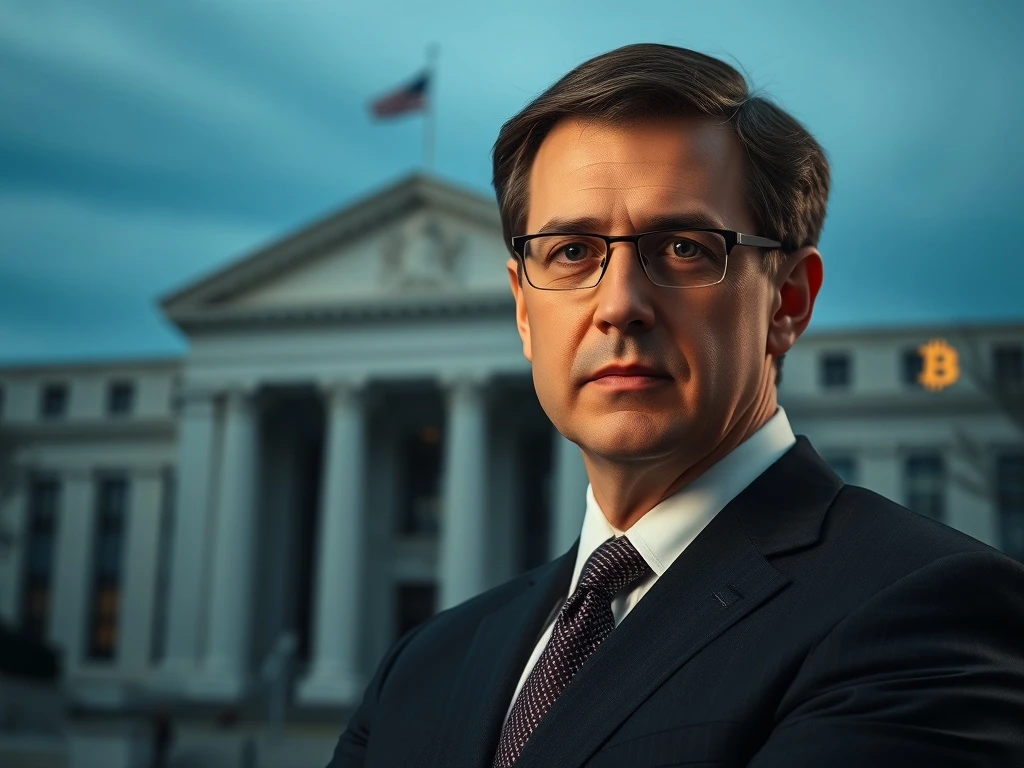
WASHINGTON, D.C. – In a move that sent immediate ripples through global financial markets, former President Donald Trump has nominated Kevin Warsh, a former Federal Reserve Governor, to lead the central bank as its next Chair. This major nomination, reported first by Aggr News and confirmed via a Truth Social post, places a known monetary policy hawk at the helm of the world’s most influential financial institution, setting the stage for a potential approach shift in how America manages interest rates, inflation, and its stance on emerging digital asset markets as we head deeper into 2025.
Kevin Warsh’s Path to the Federal Reserve Nomination
Kevin Warsh is no stranger to the marble halls of the Federal Reserve. He served as a Governor from 2006 to 2011, a tenure that crucially spanned the 2008 global financial crisis. Consequently, he participated directly in the rare monetary interventions that defined that era. Following his government service, Warsh maintained a prominent voice in economic discourse through roles at Stanford University’s Hoover Institution and various corporate boards. His research and public commentary have consistently advocated for a framework of monetary policy discipline and central bank transparency. Furthermore, President Trump’s endorsement highlighted Warsh’s academic pedigree, suggesting his leadership would restore what some perceive as eroded Fed credibility.
Also read: Bitcoin Spot ETFs Shatter Positive Streak With $296 Million Outflow
Trump’s statement framed the nomination as a return to proven economic stewardship. However, the announcement arrives amid a complex economic sector. Markets currently grapple with persistent inflationary pressures, a volatile geopolitical climate, and the rapid maturation of cryptocurrency ecosystems. Therefore, Warsh’s documented skepticism toward digital assets adds a significant layer of intrigue to his potential tenure.
Decoding a Hawkish Monetary Policy Stance
The term “hawkish” defines a central banker primarily concerned with combating inflation, even at the potential cost of slower economic growth. Historically, hawks favor higher interest rates and a reduction in the Fed’s balance sheet—a process known as quantitative tightening. Kevin Warsh’s public record firmly places him in this camp. He has frequently criticized the extended period of near-zero interest rates post-2008, arguing it fueled asset bubbles and market distortions.
Also read: Bitcoin Strategy Divide: GameStop's 4,710 BTC Hold Contrasts With Nation's Massive Sell-Off
A Warsh-led Fed would likely prioritize the following actions:
- Accelerated Rate Hikes: A more aggressive path for the federal funds rate to cool demand and anchor inflation expectations.
- Reduced Market Liquidity: A commitment to shrinking the Fed’s asset holdings, directly withdrawing cash from the financial system.
- Forward Guidance Clarity: A shift toward more explicit, rule-based communication to reduce market uncertainty.
This approach starkly contrasts with the more accommodative, or “dovish,” policies that have dominated much of the past fifteen years. For traditional markets, this signals increased borrowing costs, potential pressure on stock valuations, and a stronger U.S. dollar. For the average consumer, it translates to higher mortgage and loan rates.
The Cryptocurrency Community’s Apprehension
Perhaps the most immediate and vocal reaction emerged from the digital asset sector. Kevin Warsh has previously characterized cryptocurrencies like Bitcoin as largely speculative instruments, products of a prolonged low-rate environment. His view suggests that tighter monetary policy and normalized, positive real interest rates could remove the speculative tailwind that many believe propelled crypto’s initial boom cycles.
Market analysts point to his past commentary as a key risk factor. A Fed dedicated to raising rates and draining liquidity could create a hostile macro environment for risk-sensitive assets, including technology stocks and cryptocurrencies. However, other experts counter that crypto markets have matured significantly. They now exhibit more complex drivers, such as institutional adoption, regulatory clarity, and technological utility, which may partially decouple them from pure liquidity narratives.
Federal Reserve Independence Under Scrutiny
An enduring pillar of modern central banking is operational independence from short-term political pressures. Interestingly, Kevin Warsh is a noted proponent of this principle. He has publicly defended the Fed’s need to make technically sound decisions free from electoral cycles. This stance creates a fascinating dynamic, given the nominating president’s own history of public criticism toward the Fed during his previous administration.
The confirmation process will undoubtedly probe Warsh’s commitment to this independence. Senators will question how he would work through potential pressure regarding the pace of rate hikes, especially if economic growth slows significantly. His ability to articulate a steadfast, data-dependent approach will be critical to securing bipartisan support and maintaining global market confidence in the Fed’s apolitical mandate.
The table below outlines key potential impacts of a confirmed Chair Warsh:
| Area | Potential Short-Term Impact | Long-Term Consideration |
|---|---|---|
| Interest Rates | Faster increases, higher peak rate | Goal of sustainable, non-inflationary growth |
| U.S. Dollar | Appreciation against other currencies | Impact on trade deficit and multinational earnings |
| Stock Market | Increased volatility, pressure on valuations | Shift toward value-oriented and profitable companies |
| Cryptocurrency | Negative sentiment, correlation with tech stocks | Test of crypto’s “store of value” thesis during tightening |
| Fed Communication | More direct, potentially less ambiguous language | Reduced market speculation on policy shifts |
Historical Context and Confirmation Pathway
To understand the weight of this nomination, one must look back. The Federal Reserve Chair is arguably the second most powerful person in the global economy, after the U.S. President. Past chairs like Paul Volcker, who broke the back of 1970s inflation with aggressive rate policy, and Alan Greenspan, who presided over the “Great Moderation,” have left indelible marks. Kevin Warsh’s philosophical alignment appears closer to Volcker’s inflation-fighting resolve.
The confirmation process through the U.S. Senate will involve rigorous hearings before the Banking Committee. Lawmakers will examine his entire record, from his role during the 2008 crisis response to his recent views on financial regulation, digital assets, and employment mandates. Given the current political composition of the Senate, his path to confirmation remains uncertain and will be a major focus of financial news in the coming months.
Conclusion
The nomination of Kevin Warsh as Federal Reserve Chair represents a potential inflection point for American monetary policy. His well-established hawkish credentials signal a firm commitment to price stability and a departure from the ultra-accommodative policies of the recent past. While this promises a rigorous defense against inflation, it also introduces new risks for economic growth and speculative asset classes, particularly cryptocurrencies. Ultimately, the global financial community will watch closely as the Senate considers his nomination, understanding that the leadership of the Federal Reserve will profoundly shape the economic trajectory of the United States and the world for years to come. The debate surrounding the Kevin Warsh Federal Reserve Chair nomination is, at its core, a debate about the fundamental priorities of the U.S. economy in a new and uncertain era.
FAQs
Q1: Who is Kevin Warsh and what is his background?
Kevin Warsh is a former investment banker and lawyer who served as a Governor on the Federal Reserve Board from 2006 to 2011. He played a key role during the 2008 financial crisis and has since been a scholar at the Hoover Institution, focusing on monetary policy and market structure.
Q2: What does a “hawkish” Fed Chair mean for the average person?
A hawkish Chair prioritizes fighting inflation. For individuals, this typically leads to higher interest rates on mortgages, car loans, and credit cards. It can slow down hiring and wage growth in the short term but aims to preserve the long-term purchasing power of savings.
Q3: Why is the cryptocurrency community concerned about this nomination?
Warsh has historically viewed cryptocurrencies as speculative assets buoyed by low interest rates. His policy preference for higher rates and reduced market liquidity could create a less favorable macroeconomic environment for risk-on assets like Bitcoin and Ethereum, potentially leading to increased price volatility.
Q4: How does this nomination affect the Federal Reserve’s independence?
Paradoxically, Warsh is a vocal advocate for Fed independence from political influence. His confirmation hearings will heavily scrutinize how he would maintain that independence if confirmed, especially given the political nature of his nomination by a former president.
Q5: What happens next in the nomination process?
The nomination moves to the U.S. Senate. The Senate Banking Committee will hold public hearings to question Warsh on his policy views. Following the hearings, the committee will vote on whether to send the nomination to the full Senate for a final confirmation vote, a process that could take several months.

This article was produced with AI assistance and reviewed by our editorial team for accuracy and quality.