Kazakhstan Crypto Regulation: Central Bank Asserts Key Control Over Approved Digital Asset Trading
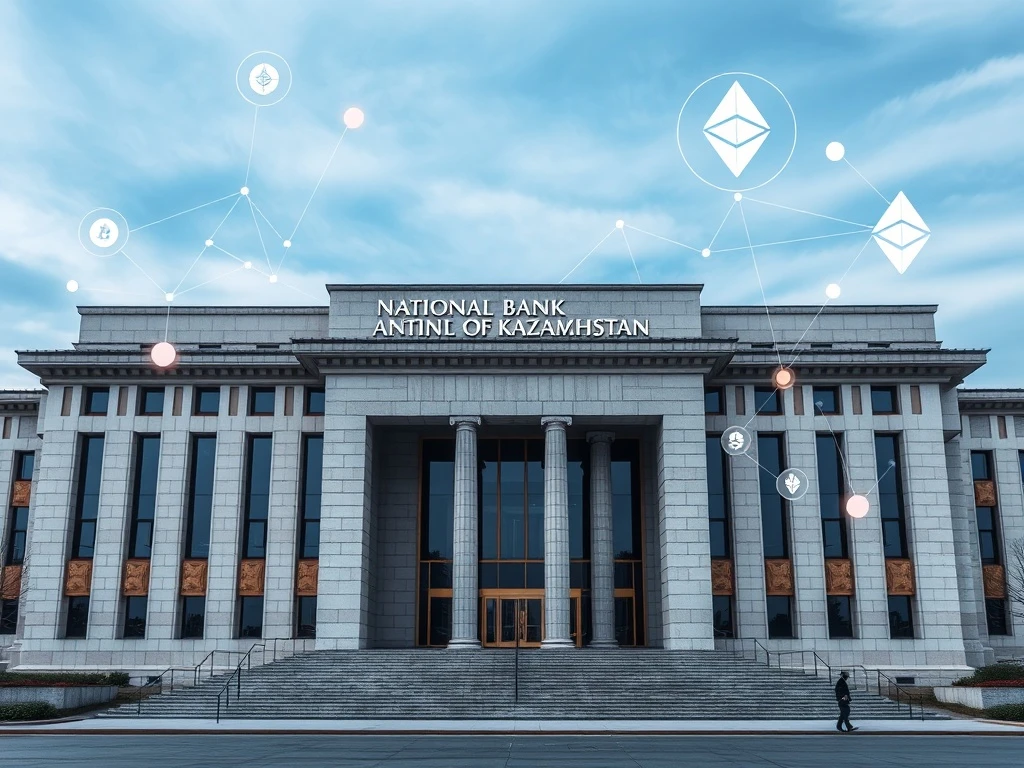
In a decisive move for its financial future, Kazakhstan has formally enacted legislation granting its central bank sweeping authority over cryptocurrency trading, effectively limiting all digital asset circulation to a list of central bank-approved coins. President Kassym-Jomart Tokayev signed the important laws in early 2025, establishing a comprehensive regulatory framework that introduces licensed crypto exchanges and a new classification for digital financial assets. This development marks a significant shift for a nation that has rapidly evolved from a crypto mining hotspot to a regulated digital asset hub in Central Asia.
Kazakhstan’s New Crypto Regulatory Framework
President Tokayev signed two key pieces of legislation: the law “On Banks and Banking Activities” and amendments “On Regulation and Development of the Financial Market.” Consequently, these laws create a formal structure for digital assets. The National Bank of Kazakhstan (NBK) now serves as the primary regulator. Specifically, the NBK will license cryptocurrency exchange organizations. Furthermore, it will approve which cryptocurrencies can circulate on these regulated platforms. The government statement explicitly notes the rules introduce a formal classification for digital assets. This classification includes stablecoins, tokenized traditional assets, and financial instruments in digital form.
Also read: Operation Atlantic: Global Law Enforcement Shatters $45M Crypto Fraud Ring
The legislation aims to protect investors and ensure market stability. Therefore, the central bank will establish trading activity limits on regulated platforms. This regulatory approach aligns with Kazakhstan’s broader ambition to become a regional financial technology leader. The nation has actively pursued blockchain innovation while managing risks associated with volatile crypto markets.
Three Types of Digital Financial Assets (DFAs)
A cornerstone of the new law is the creation of a novel asset class: Digital Financial Assets (DFAs). The Agency for Regulation and Development of the Financial Market (ARDFM) will establish requirements for their issuance and circulation. The three defined types are:
Also read: Spartans.com Shatters Norms with $7 Million Leaderboard Launch, Rewriting Online Gambling Rules
- Stablecoins: Digital assets designed to maintain a stable value relative to a specified asset or pool of assets.
- Asset-Backed Tokens: Digital representations of rights to financial instruments or real property.
- Digital Financial Instruments: Traditional financial instruments, such as securities, issued in electronic digital form.
New platform operators acting as DFA issuers must obtain a license from the central bank. Moreover, these DFAs will be subject to stringent requirements mirroring those for traditional finance. These mandates cover risk management, information disclosure, and resilient investor protection mechanisms.
Central Bank Authority Over Cryptocurrency Trading
The law incorporates cryptocurrencies like Bitcoin (BTC) and Ether (ETH), classifying them as “unsecured digital assets.” However, their trading is now strictly confined to licensed cryptocurrency exchange organizations. The National Bank of Kazakhstan holds critical powers under this system. First, it maintains an official list of crypto assets permitted for public circulation. Second, it sets operational limits and restrictions for crypto exchanges. This controlled environment aims to mitigate fraud, money laundering, and excessive speculative risk for retail investors.
This regulatory model shows similarities to frameworks discussed or implemented in other jurisdictions. For instance, Russia has also debated limiting crypto access for retail investors. Kazakhstan’s approach, however, is more comprehensive, integrating crypto into its formal financial market laws. The move follows the country’s experience with a massive crypto mining industry, which strained its energy grid and prompted earlier regulatory adjustments.
Strategic Context and Regional Ambitions
Kazakhstan’s regulatory push is not an isolated event. It is a calculated step within a larger national strategy. The country seeks to transform into a regulated hub for digital assets in Central Asia. In recent years, Kazakhstan has explored stablecoin payments for cross-border trade. Additionally, 2025 saw the launch of Bitcoin exchange-traded funds (ETFs) within its borders. By establishing clear rules, the government hopes to attract legitimate blockchain businesses and institutional investment. This strategy balances innovation with the financial stability mandates of the central bank.
The global trend in 2025 has seen a clear shift toward regulatory clarity in the crypto sector. Many nations are moving from outright bans or ambiguous stances to defined legal frameworks. Kazakhstan’s model of central bank-led approval and licensed exchanges represents a middle path. It acknowledges the economic potential of crypto assets while asserting state oversight to manage systemic risk.
Implications for Investors and the Crypto Industry
The immediate impact of this legislation is profound for market participants. Domestic crypto traders in Kazakhstan must now use central bank-licensed platforms. They will only have access to cryptocurrencies that the NBK approves. This could initially limit the variety of tradable assets but may increase perceived security. For international crypto businesses, the laws create a defined pathway to operate legally in Kazakhstan. However, they must comply with licensing requirements and ongoing central bank supervision.
The mining sector, a significant part of Kazakhstan’s economy, may see indirect effects. Clearer regulations could improve the industry’s reputation and allow more stable operations. Nevertheless, the trading limits and oversight could influence liquidity and market dynamics for miners selling their rewards locally. The long-term success of this framework will depend on the central bank’s agility in updating its approved list and adapting limits to market developments.
Conclusion
Kazakhstan has decisively entered a new era of crypto regulation with its central bank-approved trading system. By signing laws that create licensed exchanges and a structured DFA framework, the country is prioritizing investor protection and market integrity. This regulatory model positions Kazakhstan as a cautious innovator in the digital asset space. It aims to harness the benefits of cryptocurrency and blockchain technology while mitigating their risks through centralized oversight. The world will closely watch how this balance between innovation and control shapes Kazakhstan’s ambition to become a Central Asian crypto hub.
FAQs
Q1: What did Kazakhstan’s new crypto laws actually do?
The laws grant the National Bank of Kazakhstan (NBK) authority to license cryptocurrency exchanges and create an official list of approved digital assets that can be traded on those platforms. They also establish a new legal category called Digital Financial Assets (DFAs).
Q2: Can I still trade Bitcoin and Ethereum in Kazakhstan?
Yes, but only through licensed cryptocurrency exchange organizations and only if the National Bank of Kazakhstan includes them on its approved list for circulation. The law classifies assets like BTC and ETH as “unsecured digital assets.”
Q3: What are the three types of Digital Financial Assets (DFAs) defined?
The three types are: 1) Stablecoins, 2) Digital assets backed by financial instruments or property, and 3) Traditional financial instruments issued in a digital form (like digital securities).
Q4: Why is Kazakhstan implementing these regulations?
The government aims to protect investors, prevent illicit finance, and bring order to the crypto market. This aligns with its broader strategy to become a regulated regional hub for digital assets and blockchain technology in Central Asia.
Q5: How does this affect Kazakhstan’s crypto mining industry?
While the laws directly regulate trading and exchanges, they provide a more structured legal environment for the entire digital asset ecosystem. This could lend legitimacy to the mining sector, though miners must still sell their rewards on the newly licensed and regulated platforms.

This article was produced with AI assistance and reviewed by our editorial team for accuracy and quality.