Kalshi Launches Strategic Washington Office to Power Up Essential Lobbying Efforts
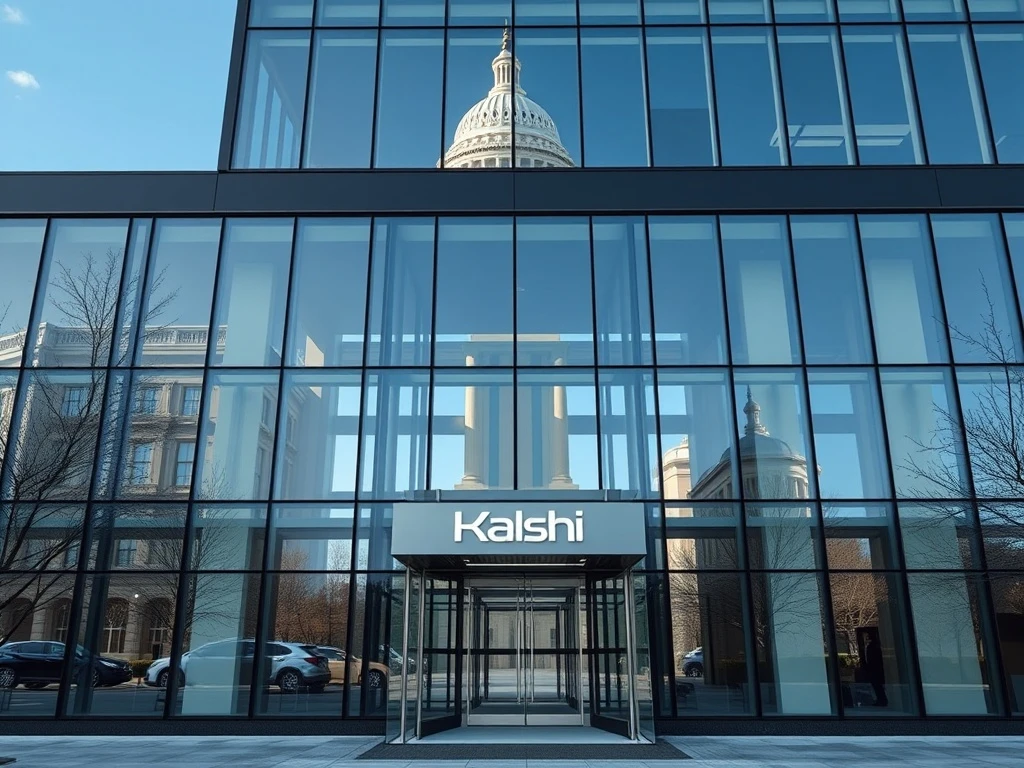
In a decisive move to shape its regulatory future, prediction market platform Kalshi has established a new physical foothold in the nation’s capital. The company opened a Washington, D.C. office in early 2025, a strategic expansion designed to significantly bolster its direct lobbying efforts with U.S. federal policymakers and regulators. This development, first reported by The Block, signals a mature phase for the fintech firm as it navigates the complex legal field governing financial speculation and information markets. Furthermore, Kalshi has appointed John Bivona, a former White House liaison for the Department of Homeland Security during the Biden administration, to head its government affairs division. This hire underscores the company’s serious commitment to engaging with legislative and executive branch officials at the highest levels.
Kalshi’s Washington Office Marks a Central Expansion
The establishment of a dedicated Washington office represents a critical evolution for Kalshi. Previously, the company’s regulatory engagement likely occurred through external counsel or periodic visits. Now, with a permanent base just miles from Capitol Hill and federal agencies, Kalshi gains a consistent, on-the-ground presence. This proximity is not merely symbolic. It enables more frequent, informal meetings with congressional staff, agency personnel, and other key influencers. Consequently, the company can respond more swiftly to legislative proposals and regulatory inquiries. A physical office also projects stability and long-term commitment, attributes that resonate with risk-averse government stakeholders. This move mirrors a common trajectory for growing tech and finance companies that reach a stage where regulatory strategy becomes as important as product development.
Also read: Bitcoin Strategy Divide: GameStop's 4,710 BTC Hold Contrasts With Nation's Massive Sell-Off
Understanding the Prediction Market Regulatory Sector
To appreciate Kalshi’s lobbying push, one must first understand the ambiguous regulatory environment for prediction markets in the United States. These platforms allow users to trade contracts on the outcome of future events, from election results to economic data releases. However, they operate in a grey area between financial instruments, gambling products, and information markets. The Commodity Futures Trading Commission (CFTC) holds primary regulatory authority over event contracts, but its oversight is specific and conditional. For instance, in 2022, the CFTC approved Kalshi’s political event contracts, a landmark decision. Yet, broader acceptance remains uncertain. Other agencies, like the Securities and Exchange Commission (SEC), could also claim jurisdiction depending on a contract’s structure. This regulatory patchwork creates significant business uncertainty, making proactive government affairs essential for survival and growth.
The High-Stakes Hire: John Bivona’s Government Expertise
The recruitment of John Bivona is arguably as significant as the new office itself. Bivona’s background as a White House liaison for the Department of Homeland Security provides Kalshi with invaluable insider expertise. In such a role, he acted as a critical bridge between a major federal department and the White House, managing communications, policy coordination, and political relationships. This experience grants him a deep understanding of federal bureaucratic processes, interagency dynamics, and effective advocacy strategies. His networks within the current administration and on Capitol Hill are a tangible asset. By hiring a professional with this specific profile, Kalshi signals it is not merely seeking a lobbyist but a strategist who can address complex federal policymaking from a position of experience. This approach often yields more nuanced and effective engagement than traditional lobbying alone.
Also read: Bitcoin Volatility Dips Below Major Stocks as European Nation Sells Billions in Crypto Reserves
Comparative Analysis: Fintech Lobbying Strategies
Kalshi’s strategy aligns with a broader pattern among fintech companies facing regulatory hurdles. A comparative look reveals common tactics:
- Establishing a D.C. Presence: Companies like Coinbase and Robinhood also opened major Washington offices as they scaled, recognizing the need for direct dialogue with regulators.
- Hiring Former Regulators and Officials: This “revolving door” practice, while sometimes controversial, is standard for transferring institutional knowledge. It provides companies with credibility and procedural insight.
- Coalition Building: Many firms join industry associations to amplify their voice. Kalshi may engage with broader fintech or tech policy groups to advocate for favorable regulatory frameworks.
The table below contrasts the early-stage and mature-phase regulatory approaches of fintech firms:
| Approach | Early-Stage Focus | Mature-Phase Focus (Kalshi’s Current Move) |
|---|---|---|
| Primary Tactic | Legal compliance, reacting to inquiries | Proactive lobbying, shaping legislation |
| Personnel | General counsel, external law firms | Dedicated government affairs team with political insiders |
| Location Priority | Tech hubs (SF, NY) | Regulatory hubs (Washington D.C.) |
| Key Goal | Avoiding enforcement actions | Creating a stable, favorable regulatory regime |
The Potential Impact on Market and Regulation
Kalshi’s enhanced lobbying efforts could have several concrete impacts. First, it may lead to more tailored legislation that recognizes prediction markets as a distinct asset class with appropriate consumer protections. Second, it could develop a more collaborative relationship with the CFTC, potentially streamlining the contract approval process. For the market, clear regulation often attracts institutional participation and increases liquidity. However, critics argue that intense lobbying could lead to regulatory capture, where rules favor the incumbent platform over future competition or public interest. The ultimate impact will depend on the substance of the dialogue Kalshi fosters. Will it advocate for open, principles-based regulation that allows for innovation, or for rules that cement its own market position? The company’s arguments will likely center on price discovery, public engagement, and hedging utility, while addressing concerns about gambling and market manipulation.
Historical Context and the Road Ahead
Prediction markets have a fraught history in the U.S. Platforms like Intrade, which allowed trading on political events, were shut down by regulatory action in 2013. Kalshi’s journey, including its CFTC approval for political contracts, already represents a notable shift. The current move into Washington lobbying is the next logical step to secure and expand that foothold. The road ahead involves continuous engagement with multiple committees in Congress, including Financial Services and Agriculture, which oversees the CFTC. Key issues will include defining jurisdictional boundaries, establishing investor qualification standards, and ensuring market integrity. Kalshi’s success will be measured not by a single legislative victory, but by its ability to build durable, bipartisan understanding of its model over the coming years.
Conclusion
The opening of Kalshi’s Washington office and the hiring of John Bivona constitute a strategic inflection point for the prediction market industry. This move transitions the company from a reactive posture to a proactive shaper of its regulatory environment. By embedding itself in the capital and employing seasoned government expertise, Kalshi aims to demystify its platform for policymakers and advocate for a clear, sustainable legal framework. The outcome of this Kalshi Washington office lobbying initiative will significantly influence whether prediction markets become a mainstream financial tool or remain a niche, legally contested domain. As regulatory debates intensify, Kalshi’s direct line to policymakers will be a critical asset in determining the future of event-based trading.
FAQs
Q1: What is the main purpose of Kalshi’s new Washington D.C. office?
The primary purpose is to enhance the company’s direct lobbying and government affairs capabilities. The physical office provides a permanent base for engaging with U.S. Congress, federal agencies like the CFTC, and other policymakers to advocate for favorable regulation of prediction markets.
Q2: Who is John Bivona and why is his hiring significant?
John Bivona is a former White House liaison for the Department of Homeland Security during the Biden administration. His hiring is significant because he brings insider knowledge of federal government processes, established political networks, and experience in high-level interagency communication, which are invaluable for addressing complex regulatory issues.
Q3: Which U.S. agency primarily regulates prediction markets like Kalshi?
The Commodity Futures Trading Commission (CFTC) is the primary U.S. regulator for event-based derivative contracts, which includes many of the prediction markets offered by platforms like Kalshi. The CFTC must approve individual event contract markets for trading.
Q4: How does Kalshi’s strategy compare to other fintech companies?
Kalshi’s strategy is very similar to other maturing fintech firms. It follows a common pattern: after initial growth, companies open a Washington D.C. office and hire former government officials or regulators to lead their lobbying efforts, aiming to shape policy rather than just react to it.
Q5: What are the potential risks of prediction market lobbying?
Potential risks include accusations of regulatory capture, where the rules are shaped to benefit the lobbying company at the expense of fair competition or sturdy consumer protection. There is also a risk that intense lobbying could provoke a backlash from legislators or the public who are skeptical of blending financial markets with event speculation.

This article was produced with AI assistance and reviewed by our editorial team for accuracy and quality.