RWA Yacht Charter Model: INVESTING YACHTS Launches Revolutionary Tokenized Luxury Asset Platform
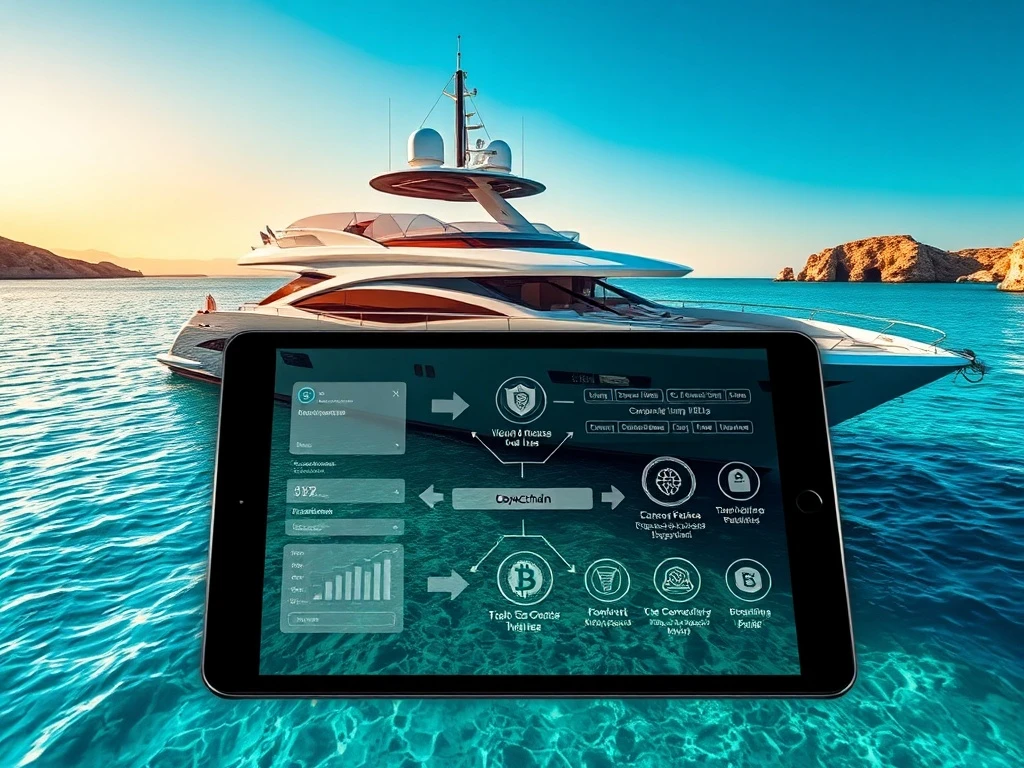
IBIZA, SPAIN, February 8, 2026 – INVESTING YACHTS has officially launched its groundbreaking Real World Asset (RWA) yacht charter model, fundamentally transforming how investors access luxury maritime assets through blockchain tokenization. This innovative platform enables fractional ownership of high-value yachts, merging traditional luxury investments with decentralized finance infrastructure. The announcement marks a significant milestone in the convergence of physical assets and digital finance, potentially creating new investment pathways for global participants.
RWA Yacht Charter Model Redefines Luxury Asset Ownership
The newly launched RWA yacht charter model represents a paradigm shift in maritime investment structures. INVESTING YACHTS has developed a comprehensive framework that tokenizes physical yacht assets on blockchain networks. Each token corresponds to a verifiable ownership stake in specific luxury vessels. Consequently, investors can purchase fractional shares rather than requiring full vessel acquisition. This approach dramatically lowers the traditional entry barriers for yacht ownership.
Moreover, the platform incorporates smart contract functionality for automated revenue distribution. Charter income gets proportionally allocated to token holders based on their ownership percentage. The system utilizes oracle networks to verify real-world charter data and payment information. This creates transparent, auditable revenue streams for all participants. Additionally, the model includes maintenance and operational cost management through decentralized autonomous organization (DAO) mechanisms.
Tokenization Architecture and Technical Implementation
INVESTING YACHTS has engineered a multi-layered technical architecture supporting its RWA charter platform. The foundation consists of permissioned blockchain infrastructure ensuring regulatory compliance while maintaining transparency. Each yacht undergoes thorough valuation and legal structuring before tokenization. Legal entities hold physical assets while digital tokens represent beneficial ownership interests. This separation ensures proper legal standing for all investment positions.
The technical implementation features several innovative components:
- Asset Verification Layer: Independent marine surveyors and valuation experts certify each vessel’s condition and value
- Legal Wrapper Structure: Special purpose vehicles (SPVs) hold physical assets in compliant jurisdictions
- Token Standards: Custom ERC-3643 tokens enable regulatory-compliant trading with built-in transfer restrictions
- Revenue Oracle System: Decentralized data feeds verify charter bookings and payment settlements
- Governance Framework: Token holders participate in operational decisions through weighted voting mechanisms
This comprehensive approach addresses both technical and regulatory requirements for real-world asset tokenization.
Market Context and Industry Evolution
The luxury yacht market has traditionally presented significant accessibility challenges for most investors. Vessel prices typically range from €500,000 for smaller models to over €100 million for superyachts. Maintenance costs alone often exceed 10% of the vessel’s value annually. Furthermore, charter management requires specialized expertise and network access. The RWA model directly addresses these pain points through fractionalization and professional management.
Historically, yacht investment required substantial capital commitment and specialized knowledge. The new tokenized approach democratizes access while maintaining professional operational standards. This evolution follows broader trends in real estate and fine art tokenization. However, maritime assets present unique challenges including international regulations, maintenance logistics, and seasonal demand fluctuations. INVESTING YACHTS has developed specific solutions for each challenge.
Regulatory Framework and Compliance Infrastructure
Operating across international maritime jurisdictions requires sophisticated regulatory compliance. INVESTING YACHTS has established legal structures in multiple jurisdictions including Malta, Gibraltar, and the Cayman Islands. These locations offer established frameworks for maritime finance and blockchain integration. The company works with international law firms specializing in both maritime law and digital assets. This dual expertise ensures proper legal standing across all operational aspects.
The compliance infrastructure includes several key elements:
| Component | Function | Jurisdiction |
|---|---|---|
| Asset Holding Entities | Legal ownership of physical yachts | Malta Maritime Registry |
| Token Issuance Platform | Digital security creation and distribution | Gibraltar Distributed Ledger Technology Framework |
| Investor Verification | KYC/AML compliance procedures | EU Fifth Anti-Money Laundering Directive |
| Revenue Distribution | Automated payment processing | Payment Services Directive 2 |
This multi-jurisdictional approach enables global investor participation while maintaining regulatory compliance. The structure undergoes regular audits by independent compliance specialists.
Economic Model and Investment Returns Analysis
The RWA yacht charter model creates distinct economic advantages compared to traditional yacht ownership. Fractionalization enables portfolio diversification across multiple vessels and geographic regions. Investors can allocate smaller amounts across different yacht classes and operational areas. This reduces concentration risk while maintaining exposure to luxury asset appreciation. The model also provides liquidity mechanisms through secondary trading platforms.
Revenue generation follows transparent allocation formulas:
- 65% of charter revenue distributes to token holders proportionally
- 20% covers operational costs including crew, maintenance, and insurance
- 10% funds marketing and charter brokerage activities
- 5% reserves for unexpected repairs and capital improvements
Historical yacht charter data indicates average annual returns between 4-8% on vessel value, plus potential appreciation. The Mediterranean market, particularly Ibiza, demonstrates strong seasonal demand with peak rates during summer months. INVESTING YACHTS employs dynamic pricing algorithms optimizing charter rates based on demand patterns and market conditions.
Operational Excellence and Charter Management
Professional charter management represents a critical component of the investment model. INVESTING YACHTS partners with established yacht management companies throughout the Mediterranean. These partners handle day-to-day operations including crew management, maintenance scheduling, and client services. The platform implements IoT sensors monitoring vessel systems and location data. This information feeds into predictive maintenance algorithms reducing downtime and unexpected costs.
The operational structure ensures consistent service quality across all charter experiences. Standardized procedures cover guest services, safety protocols, and environmental compliance. All operational partners undergo rigorous certification processes. Furthermore, the platform maintains comprehensive insurance coverage exceeding standard maritime requirements. This multilayered approach protects both physical assets and investor interests.
Market Impact and Industry Transformation Potential
The introduction of RWA tokenization to yacht charters could significantly impact luxury asset markets. Traditional yacht ownership has remained largely inaccessible despite growing global wealth. The fractional model potentially expands the investor base by orders of magnitude. This increased participation may enhance market liquidity and price discovery mechanisms. Additionally, transparent performance data could improve industry benchmarking standards.
Industry analysts identify several potential transformation areas:
- Democratized Access: Lower investment minimums enable broader participation
- Enhanced Liquidity: Secondary trading markets for yacht tokens
- Data Transparency: Public performance metrics improving market efficiency
- Global Integration: Cross-border investment without complex legal structures
- Innovation Catalyst: New financial products based on maritime asset performance
These developments align with broader trends in asset tokenization across real estate, fine art, and collectibles markets. The maritime sector presents unique opportunities due to its international nature and existing charter ecosystems.
Conclusion
INVESTING YACHTS has successfully launched a revolutionary RWA yacht charter model that bridges traditional luxury assets with blockchain innovation. This platform enables fractional ownership of maritime assets through compliant tokenization structures. The model addresses historical accessibility barriers while maintaining professional operational standards. Furthermore, it creates transparent revenue distribution mechanisms and secondary market liquidity. As real-world asset tokenization continues evolving, this implementation demonstrates practical convergence between physical assets and decentralized finance. The RWA yacht charter approach potentially establishes new standards for luxury asset investment accessibility and transparency.
FAQs
Q1: How does the RWA yacht charter model differ from traditional yacht ownership?
The RWA model enables fractional investment through blockchain tokens rather than requiring full vessel purchase. This approach lowers minimum investment thresholds while providing proportional revenue sharing and appreciation benefits.
Q2: What regulatory compliance measures does the platform implement?
INVESTING YACHTS maintains multi-jurisdictional legal structures complying with maritime, securities, and anti-money laundering regulations. The platform performs thorough KYC verification and works with licensed custody providers.
Q3: How are charter revenues distributed to token holders?
Smart contracts automatically distribute 65% of charter revenues proportionally to token holders. Oracle networks verify booking and payment data before triggering distribution events.
Q4: What happens if a yacht requires major repairs or maintenance?
The operational reserve fund covers unexpected repairs. For major capital expenditures, token holders vote through governance mechanisms on funding approaches, potentially including additional capital calls or financing options.
Q5: Can investors trade their yacht tokens on secondary markets?
Yes, the platform supports secondary trading on compliant digital asset exchanges. Transfer restrictions ensure regulatory compliance while providing liquidity options for investors.