Indonesian Lumber Companies Reveal Critical Q3 2025 Revenue Amid Global Timber Demand
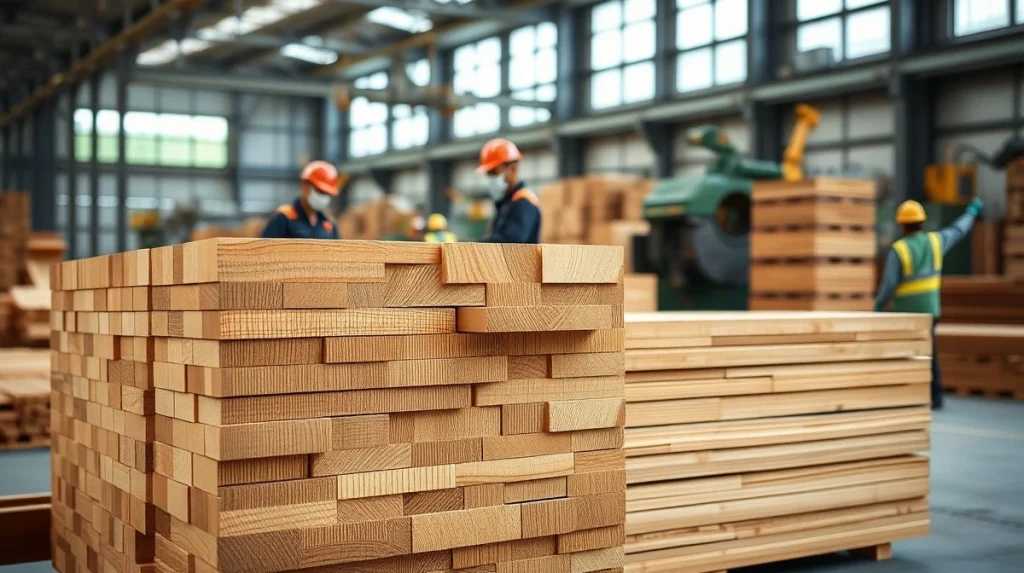
JAKARTA, Indonesia – The financial performance of Indonesia’s top 30 publicly traded lumber companies during the third quarter of 2025 reveals a sector handling complex global demand, regulatory changes, and sustainable forestry initiatives. These firms, which operate across the archipelago from Sumatra to Papua, collectively form a cornerstone of the nation’s export economy and a key supplier to international construction and manufacturing markets. Their Q3 2025 results, analyzed from published financial disclosures, provide a essential snapshot of an industry at a decisive juncture.
Top 30 Indonesian Lumber Public Companies: Q3 2025 Financial Overview
The aggregated revenue data for the quarter ending September 30, 2025, shows a mixed performance sector. While several major integrated forestry companies reported steady growth linked to value-added products, others faced headwinds from fluctuating raw material costs and international trade dynamics. The sector’s performance is intrinsically tied to global housing starts, furniture manufacturing demand, and pulp prices. Furthermore, domestic policies promoting downstream processing have begun to reshape revenue streams, encouraging a shift from raw log exports to finished goods like plywood, moldings, and engineered wood.
Also read: M Series ANC Token Presale Launches with Detailed Vesting
Industry analysts note that compliance with Indonesia’s Timber Legality Assurance System (SVLK) and sustainability certifications remains a significant operational factor. Companies with resilient certification portfolios often command premium pricing and secure more stable export contracts, particularly in environmentally conscious markets like the European Union and Japan. This regulatory environment has created a performance divide between well-capitalized firms that can invest in verification systems and smaller operators facing compliance costs.
Market Drivers and Economic Context
The global economic climate in mid-2025 directly influenced the sector’s Q3 results. Demand from key importers, including China, India, and the United States, showed variability. For instance, post-pandemic construction booms in some regions created pockets of strong demand for structural timber. Conversely, economic cooling in other areas softened prices for certain wood products. The Indonesian rupiah’s exchange rate against the US dollar during the quarter also played a critical role in determining the local currency value of export earnings, impacting bottom-line figures for many companies on the list.
Also read: Pepeto Presale Attracts Investor Interest Amid Meme Coin Rally
Performance Analysis Across Company Segments
The top 30 list encompasses diverse business models, from large-scale integrated conglomerates with vast plantation forests to specialized processors focusing on high-value tropical hardwoods. Integrated players typically demonstrated more resilient revenue due to vertical integration, which buffers against supply chain disruptions. Their performance often benefited from captive raw material sources and diversified product portfolios spanning pulp, paper, and panel products alongside sawn timber.
In contrast, companies focused primarily on sawmilling and log trading exhibited greater volatility. Their Q3 2025 revenues were more susceptible to immediate changes in log availability, transportation costs, and spot market prices. The table below illustrates a simplified segmentation of performance based on business model:
Business Model & Typical Q3 2025 Revenue Trend
- Integrated Forestry Conglomerates: Stable to moderate growth. Shielded by diversification.
- Large-Scale Plantation Operators: Consistent performance. Driven by pulpwood and regulated supply.
- Specialized Hardwood Processors: Variable. Dependent on niche market demand and log supply.
- Sawmilling & Trading Companies: Most volatile. Sensitive to commodity price swings.
Geographic location within Indonesia also influenced results. Companies with operations in Kalimantan and Papua, regions rich in natural forest resources, reported different cost structures and market access compared to those relying on Java-based plantation timber. Additionally, infrastructure challenges, such as port capacity and inland transportation, affected operational efficiency and delivery timelines, indirectly impacting quarterly revenue recognition.
Sustainability and Future Investment Signals
The Q3 2025 financial disclosures frequently referenced capital expenditure directed toward sustainability and efficiency. Many leading companies allocated funds for more efficient processing technology, reduced waste systems, and enhanced plantation management. This trend is not merely regulatory; it reflects a strategic understanding that long-term market access and investor appeal are increasingly tied to environmental, social, and governance (ESG) performance. Consequently, firms reporting higher margins often linked them to premium products sold into markets with strict sustainability criteria.
Investment in downstream processing facilities, such as those producing laminated veneer lumber (LVL) or cross-laminated timber (CLT), was another notable theme. These investments aim to capture more value per cubic meter of wood, moving the industry up the global value chain. The revenue contribution from these advanced products, while still growing, is becoming a more significant performance differentiator among the top 30 public companies.
Challenges and Risk Factors
Despite areas of growth, the sector faced persistent challenges. Climate-related risks, including drought and fire, threatened plantation yields. International competition from other timber-exporting nations continued to pressure margins. Moreover, evolving international regulations on deforestation-free supply chains, such as the European Union’s Deforestation Regulation (EUDR), present ongoing compliance challenges that require traceability systems and may affect future revenue streams for companies unable to adapt swiftly.
Conclusion
The Q3 2025 revenue and performance data from Indonesia’s top 30 public lumber companies depict an industry in transition. While traditional market forces and commodity cycles remain powerful, new drivers like sustainability certification, downstream processing, and ESG investing are reshaping financial outcomes. The sector’s overall health remains vital to Indonesia’s economy, providing significant employment and export earnings. Its future trajectory will depend on how effectively these companies balance profitable operations with sustainable forest management and adapt to an increasingly complex global trade field. The coming quarters will be critical in showing whether current investments in value-added production and sustainability can solidify a more stable and prosperous growth path.
FAQs
Q1: What is the main source of the Q3 2025 revenue data for these Indonesian lumber companies?
The analysis is based on the official quarterly financial reports and disclosures filed by the publicly traded companies with the Indonesia Stock Exchange (IDX) and financial authorities.
Q2: How does sustainability certification impact a company’s revenue?
Certifications like SVLK or FSC (Forest Stewardship Council) can provide access to premium markets, secure long-term contracts with environmentally conscious buyers, and potentially allow for higher selling prices, thereby positively influencing revenue.
Q3: Why is there such varied performance among the top 30 companies?
Performance varies due to differences in business models (integrated vs. processor), primary wood sources (plantation vs. natural forest), product mix (commodity vs. specialty), geographic logistics, and levels of investment in downstream processing technology.
Q4: What are the biggest challenges facing the Indonesian lumber sector after Q3 2025?
Key challenges include complying with evolving international regulations on deforestation, managing climate-related risks to forests, competing in global markets, and investing in the technology needed to move into higher-value finished products.
Q5: How important is the Indonesian lumber industry globally?
Indonesia is a major global supplier of tropical timber, plywood, and pulp. Its lumber industry is a critical component of world supply chains for construction, furniture, and paper products, making its performance significant for international markets.

This article was produced with AI assistance and reviewed by our editorial team for accuracy and quality.