BRICS CBDCs: India’s Revolutionary Proposal to Link Digital Currencies and Challenge Dollar Dominance
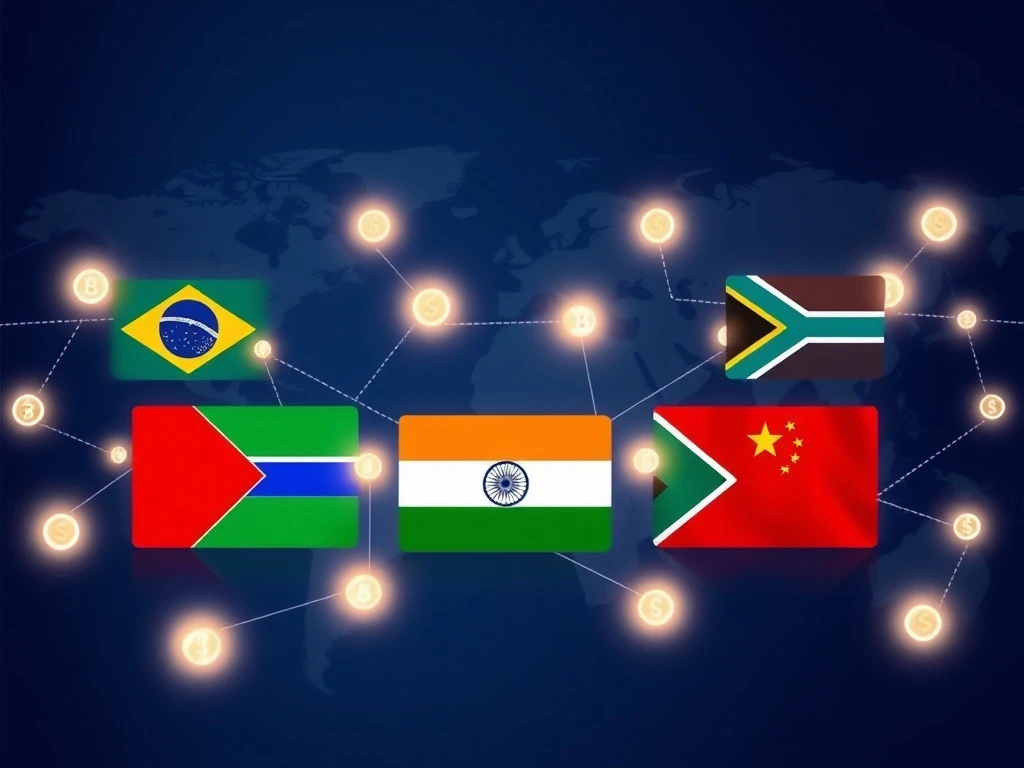
MUMBAI, India – November 2025: The Reserve Bank of India has unveiled a groundbreaking proposal to interconnect the central bank digital currencies of BRICS nations, potentially reshaping global finance and challenging traditional payment systems. This strategic move aims to streamline cross-border transactions while systematically reducing dependence on the U.S. dollar in international trade.
India’s Central Bank Proposes Linking BRICS CBDCs
The Reserve Bank of India formally submitted its proposal to the Indian government this week. Consequently, officials will place the initiative on the official agenda for the 2026 BRICS summit. This development follows years of research and pilot programs across multiple nations. Specifically, India’s digital rupee pilot has processed over 5 million transactions since its 2022 launch.
Central bank digital currencies represent digital forms of sovereign money. Unlike cryptocurrencies, CBDCs maintain direct central bank backing. Therefore, they combine digital efficiency with institutional trust. The BRICS alliance includes Brazil, Russia, India, China, and South Africa. Together, these nations represent over 40% of the global population.
The Technical Architecture of Cross-Border CBDC Systems
Technical experts anticipate a distributed ledger system for the proposed network. This architecture would enable real-time settlement between different national digital currencies. Moreover, the system would incorporate smart contract functionality for automated compliance. Several existing projects provide valuable precedents for this initiative.
The Bank for International Settlements has already tested multiple cross-border CBDC platforms. For instance, Project mBridge connects China, Thailand, UAE, and Hong Kong. Similarly, Project Dunbar involves Singapore, Australia, Malaysia, and South Africa. These experiments demonstrate the technical feasibility of multi-CBDC arrangements.
Comparative Analysis of Major CBDC Initiatives
| Country | CBDC Name | Status | Primary Use Cases |
|---|---|---|---|
| China | Digital Yuan (e-CNY) | Nationwide rollout | Retail payments, cross-border |
| India | Digital Rupee | Pilot expansion | Wholesale, retail, cross-border |
| Brazil | Digital Real | Pilot phase | Retail payments |
| Russia | Digital Ruble | Testing phase | Sanctions circumvention |
| South Africa | Digital Rand | Research phase | Financial inclusion |
Strategic Implications for Global Financial Systems
This proposal carries significant geopolitical implications. Primarily, it addresses longstanding concerns about dollar dependency in emerging economies. Currently, approximately 88% of global foreign exchange transactions involve the U.S. dollar. Furthermore, the dollar dominates international trade invoicing and reserve holdings.
The BRICS nations have increasingly sought alternatives to dollar-based systems. Notably, they established the New Development Bank in 2014. Additionally, they created the Contingent Reserve Arrangement for financial stability. A linked CBDC network would represent their most substantial financial integration effort to date.
Economic Impacts on Trade and Tourism
The proposed system specifically targets two critical sectors: international trade and tourism. Cross-border payments currently suffer from multiple inefficiencies. These include high costs, slow processing, and transparency issues. A linked CBDC network could potentially address all these challenges simultaneously.
For tourism, travelers would benefit from seamless currency conversion. Business transactions would settle instantly without intermediary banks. Moreover, the system would provide enhanced transaction tracking capabilities. This feature would help combat money laundering and terrorist financing.
Technical Challenges and Implementation Timeline
Several substantial challenges confront this ambitious proposal. First, technical interoperability requires careful coordination. Different nations employ varying technological approaches to CBDC development. Second, regulatory harmonization presents complex legal hurdles. Each BRICS member maintains distinct financial regulations and capital controls.
The proposed timeline extends through 2026 and beyond. Initially, technical working groups will establish common standards. Subsequently, pilot programs will test bilateral connections. Finally, full multilateral implementation would follow successful testing. This phased approach mirrors successful international financial infrastructure projects.
Global Reactions and Expert Perspectives
International financial institutions have monitored these developments closely. The International Monetary Fund recently published guidelines for cross-border CBDC arrangements. Similarly, the Financial Stability Board continues studying systemic implications. Most experts agree that interconnected CBDCs represent an inevitable evolution.
Dr. Raghuram Rajan, former RBI Governor, commented on similar initiatives previously. He emphasized the importance of maintaining monetary policy autonomy. Additionally, he highlighted cybersecurity as a critical consideration. Other economists note potential impacts on global currency markets.
Broader Context of International Payment Innovations
This proposal emerges amid rapid payment system evolution globally. The European Central Bank advances its digital euro project. Meanwhile, the United States continues researching a potential digital dollar. Multiple Asian nations have already launched or tested their digital currencies.
Private sector innovations also influence these developments. Specifically, stablecoins and blockchain platforms demonstrate new technical possibilities. However, central banks maintain distinct advantages regarding trust and stability. Their involvement ensures regulatory compliance and systemic protection.
Conclusion
India’s proposal to link BRICS CBDCs represents a strategic financial innovation with global implications. This initiative addresses practical payment challenges while advancing broader economic objectives. The 2026 BRICS summit will determine its formal adoption and implementation pathway. Ultimately, interconnected digital currencies may fundamentally transform international finance and reduce dollar dependency in emerging economies.
FAQs
Q1: What are BRICS CBDCs?
BRICS CBDCs are central bank digital currencies being developed by Brazil, Russia, India, China, and South Africa. These digital forms of national currency maintain central bank backing while enabling digital transactions.
Q2: How would linking CBDCs simplify cross-border payments?
Linking CBDCs would create direct settlement channels between nations, reducing intermediary banks, lowering costs, accelerating processing times, and enhancing transparency for international transactions.
Q3: Why does this proposal aim to reduce dollar reliance?
BRICS nations seek alternatives to dollar-dominated systems to enhance monetary sovereignty, reduce exchange rate risks, and create more balanced international financial architecture less dependent on a single currency.
Q4: What technical challenges does this proposal face?
Major challenges include achieving technical interoperability between different CBDC systems, establishing regulatory harmonization, ensuring cybersecurity, and maintaining monetary policy autonomy across participating nations.
Q5: When might this linked CBDC system become operational?
The proposal targets the 2026 BRICS summit for formal agenda placement, with implementation likely following a multi-year phased approach involving technical standardization, bilateral testing, and gradual multilateral expansion.