Hydrolyzed Collagen Type II: The Essential Guide to Joint Mobility and Skin Vitality
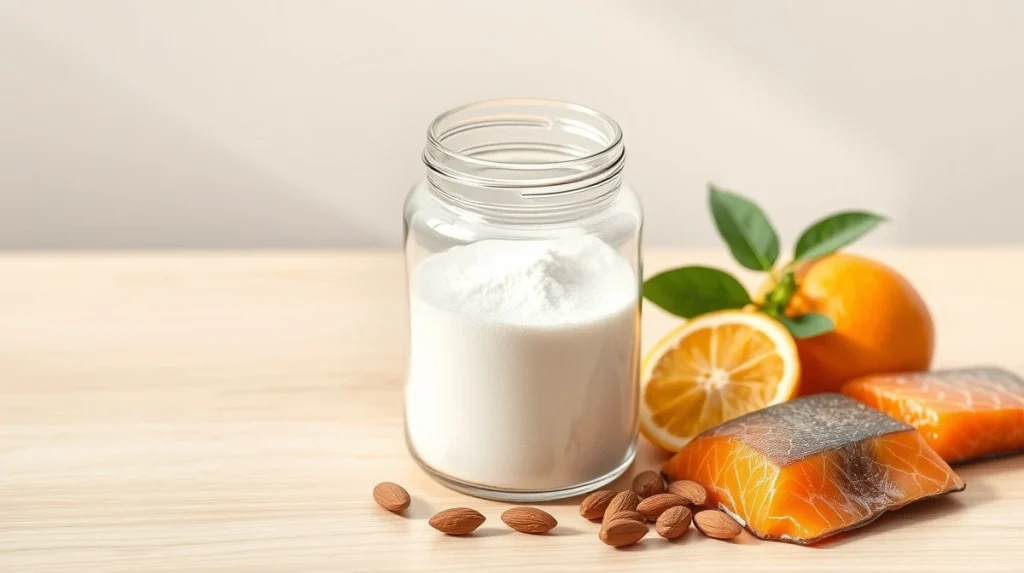
Hydrolyzed collagen type II has emerged as a significant nutrient of interest for individuals seeking natural support for joint comfort and skin elasticity. As of March 2026, scientific research continues to clarify its mechanisms and potential benefits within a growing wellness market focused on functional nutrition.
Understanding Hydrolyzed Collagen Type II
Collagen, the most abundant protein in the human body, provides structural support to connective tissues, skin, bones, and cartilage. Type II collagen specifically forms the primary structural component of articular cartilage, the smooth tissue that cushions joints. Hydrolyzed collagen, also called collagen peptides, undergoes a process called hydrolysis. This process breaks down the large collagen protein molecules into smaller, more bioavailable peptides that the body can absorb more efficiently.
Also read: M Series ANC Token Presale Launches with Detailed Vesting
The distinction between collagen types is important. While type I collagen is prevalent in skin, tendons, and bones, type II is predominantly found in cartilage. Consequently, hydrolyzed collagen type II supplements are specifically targeted for joint health applications. The hydrolysis process is key to its utility as a dietary supplement, as native collagen is poorly digested.
The Science Behind Joint and Cartilage Support
Research into hydrolyzed collagen type II for joint health centers on its potential role in supporting the extracellular matrix of cartilage. Cartilage is avascular, meaning it lacks blood vessels, and relies on diffusion from synovial fluid for nutrients. The small size of hydrolyzed collagen peptides may allow them to reach this tissue more effectively.
Also read: Pepeto Presale Attracts Investor Interest Amid Meme Coin Rally
Scientific studies, including randomized controlled trials, have investigated its effects. A 2023 meta-analysis published in the journal Nutrients reviewed several clinical trials on collagen supplementation for osteoarthritis symptoms. The analysis noted that certain studies reported improvements in joint discomfort and physical function scores among participants, though researchers consistently call for larger, longer-term studies to confirm these findings and standardize dosing.
The proposed mechanism is not direct rebuilding of cartilage but rather a supportive one. The peptides may act as bioactive compounds that stimulate chondrocytes, the cells responsible for maintaining cartilage, to produce their own collagen and other matrix components. This process is often described as providing the “building blocks” for the body’s own repair and maintenance processes.
Absorption and Bioavailability
A critical factor in any supplement’s efficacy is its absorption. Hydrolyzed collagen has demonstrated high bioavailability. Studies using radioactive isotope tracing have shown that over 90% of ingested collagen hydrolysate is digested and absorbed into the bloodstream within hours as small peptides and free amino acids. These compounds then distribute throughout the body, including to the skin and joints.
Benefits for Skin Health and Structure
Parallel to joint research, significant investigation has focused on collagen’s role in skin aging. The skin’s dermal layer is rich in type I and III collagen, which provide firmness and elasticity. Natural aging and external factors like sun exposure degrade this collagen network over time.
Clinical dermatology research has explored whether oral collagen peptides can influence skin physiology. Several published studies have measured outcomes like skin hydration, elasticity, and collagen density. For instance, a 2024 double-blind, placebo-controlled study observed that participants taking specific collagen peptides daily for 12 weeks showed statistically significant improvements in skin elasticity measurements compared to the placebo group.
Keep in mind that the body uses the absorbed amino acids and peptides where needed. Therefore, supplementation with type II collagen still provides the fundamental amino acid profile—rich in glycine, proline, and hydroxyproline—that supports the synthesis of all collagen types throughout the body, including in the skin.
Market Context and Consumer Considerations
The global market for collagen supplements has seen substantial growth, driven by aging populations and increased interest in preventative health. Hydrolyzed collagen type II occupies a specific niche within this broader category. Consumers should evaluate products based on several factors:
- Source: Bovine (cow), chicken (especially chicken sternum), marine (fish), or porcine. Source may affect peptide profile and potential allergens.
- Verification: Third-party testing for purity, heavy metals, and label accuracy is a mark of quality.
- Dosage: Clinical studies have used varying doses, typically ranging from 2.5 to 15 grams daily. A consistent daily dose appears more important than a single large dose.
- Synergistic Nutrients: Some formulations include vitamin C, hyaluronic acid, or manganese, which are cofactors in the body’s natural collagen synthesis process.
Regulatory bodies like the U.S. Food and Drug Administration (FDA) classify collagen supplements as dietary supplements, not drugs. This means they are intended to support structure and function, not to diagnose, treat, cure, or prevent any disease.
Safety and Interactions
Hydrolyzed collagen type II is generally recognized as safe (GRAS) for most adults. Minor side effects may include digestive feelings of fullness or mild taste disturbances. Individuals with severe allergies to the source material (e.g., fish, beef) should avoid corresponding products. As with any supplement, consultation with a healthcare provider before starting is recommended, especially for those with underlying health conditions or who are pregnant or breastfeeding.
Conclusion
Hydrolyzed collagen type II represents a focused nutritional approach for supporting joint and skin health through the provision of bioavailable collagen peptides. Current scientific evidence points to its bioavailability and potential benefits in stimulating the body’s own collagen production pathways. While not a miracle cure, it fits into a comprehensive wellness strategy that includes a balanced diet, regular exercise, and proper skincare. As research evolves, hydrolyzed collagen type II continues to be a subject of legitimate scientific inquiry and consumer interest in the natural health arena.
FAQs
Q1: What is the difference between hydrolyzed collagen and regular collagen?
Hydrolyzed collagen has been broken down into smaller peptides via enzymatic hydrolysis, making it soluble in cold liquids and much more easily absorbed by the body compared to intact, gelatinous collagen.
Q2: How long does it take to see results from taking hydrolyzed collagen type II?
Most clinical studies measure outcomes over periods of 8 to 12 weeks of consistent daily supplementation. Individual responses can vary based on dosage, product quality, and personal health factors.
Q3: Can I get enough collagen from food alone?
Bone broth, chicken skin, fish skin, and slow-cooked meats contain collagen. However, the collagen in these foods is largely intact and not hydrolyzed, so the body’s absorption of specific bioactive peptides is less efficient than from a hydrolyzed supplement.
Q4: Is hydrolyzed collagen type II suitable for vegetarians or vegans?
Traditional collagen supplements are derived from animal sources. However, some companies now produce vegan alternatives using genetically engineered microorganisms to produce collagen-like proteins or promote endogenous collagen production using blends of amino acids and plant nutrients.
Q5: Does hydrolyzed collagen type II interact with medications?
There are no widely reported major drug interactions. However, because collagen is a protein, individuals on protein-restricted diets for medical reasons (such as certain kidney conditions) should discuss use with their doctor.

This article was produced with AI assistance and reviewed by our editorial team for accuracy and quality.