Hong Kong Stablecoin License Applications Surge: 36 Institutions Seek Regulatory Approval in Landmark Move
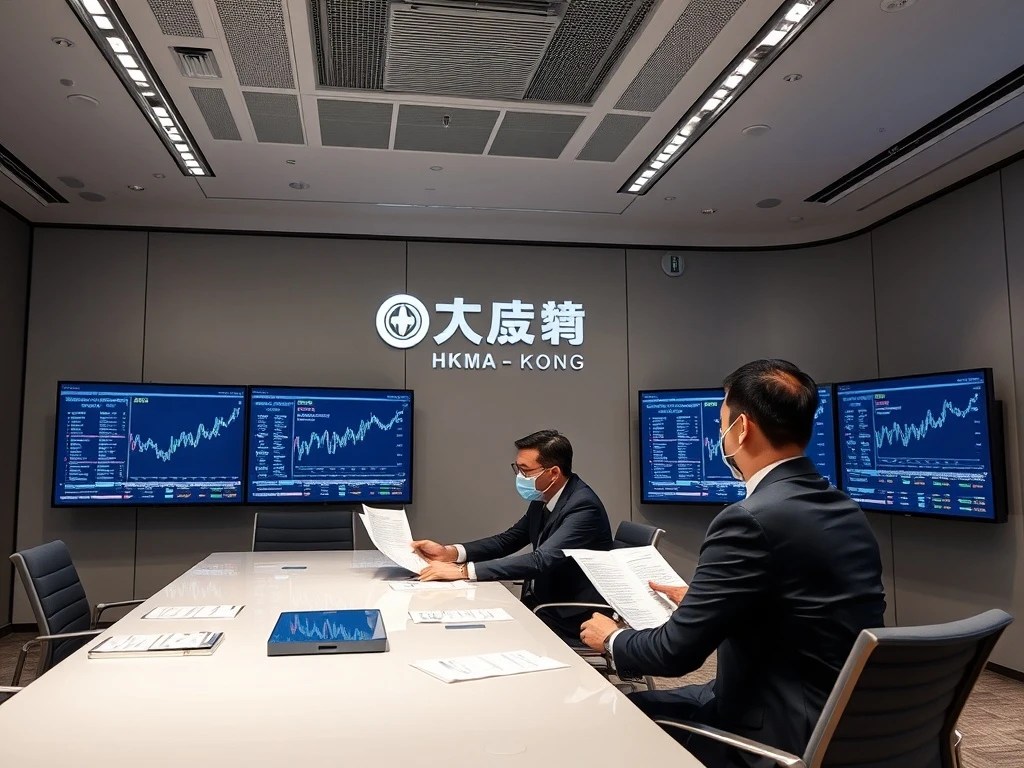
HONG KONG, February 2025 – The Hong Kong Monetary Authority (HKMA) has received 36 formal applications for stablecoin licenses, marking a significant milestone in the region’s journey toward becoming a regulated digital asset hub. This substantial institutional interest follows the implementation of Hong Kong’s comprehensive stablecoin licensing framework in August 2024, positioning the special administrative region at the forefront of cryptocurrency regulation in Asia. The HKMA’s announcement confirms that Chief Executive Eddie Yue Wai-man and his team are actively reviewing submissions with the ambitious target of issuing the first batch of licenses by March 2025.
Hong Kong’s Stablecoin Licensing Framework Takes Shape
The Hong Kong Monetary Authority introduced its licensing system for stablecoin issuance in August 2024, establishing clear regulatory parameters for digital assets pegged to traditional currencies. This framework represents Hong Kong’s strategic response to global regulatory developments while maintaining its competitive position as an international financial center. The system requires issuers to maintain adequate reserves, implement robust risk management protocols, and ensure transparent operations. Consequently, the 36 applications demonstrate strong institutional confidence in Hong Kong’s regulatory approach to digital assets.
Hong Kong’s regulatory evolution follows extensive consultation with industry stakeholders and international counterparts. The licensing regime specifically addresses stablecoins due to their growing importance in payment systems and financial markets. Unlike unregulated cryptocurrencies, stablecoins aim to maintain stable value through collateralization with fiat currencies or other assets. Therefore, their regulation becomes crucial for financial stability. The HKMA’s approach balances innovation with consumer protection, creating a model that other jurisdictions may eventually emulate.
Institutional Participation and Regulatory Review Process
The 36 applications originate from diverse financial institutions operating within Hong Kong’s jurisdiction. These entities include traditional banks, fintech companies, and established financial services providers seeking to issue Hong Kong dollar-pegged and potentially other currency-denominated stablecoins. The HKMA’s review process examines multiple critical factors before granting licenses. First, applicants must demonstrate sufficient financial resources and reserve management capabilities. Second, they need robust technological infrastructure and cybersecurity measures. Third, comprehensive compliance and anti-money laundering frameworks are essential requirements.
Also read: Bitcoin Treasury Companies Face New Pressure as US-Iran Tensions Shift
HKMA Chief Executive Eddie Yue Wai-man emphasized the authority’s methodical approach during recent media briefings. “We are conducting thorough due diligence on each application,” Yue stated through Hong Kong media outlet HWKK. “Our priority remains maintaining financial stability while fostering responsible innovation.” The review timeline suggests the HKMA aims to complete initial assessments within approximately six months of the application window opening. This pace reflects both regulatory diligence and Hong Kong’s commitment to establishing its digital asset ecosystem promptly.
Comparative Analysis: Hong Kong’s Regulatory Positioning
Hong Kong’s stablecoin licensing initiative positions the region between different global regulatory approaches. Unlike the United States, where stablecoin regulation remains fragmented across multiple agencies, Hong Kong offers a unified framework through the HKMA. Conversely, compared to Singapore’s Payment Services Act, Hong Kong’s regime provides more specific stablecoin requirements. The European Union’s Markets in Crypto-Assets (MiCA) regulation, while comprehensive, operates across multiple jurisdictions with varying implementation timelines.
| Jurisdiction | Regulatory Framework | Licensing Authority | Implementation Status |
|---|---|---|---|
| Hong Kong | Stablecoin Issuance Licensing System | Hong Kong Monetary Authority | 36 applications under review |
| Singapore | Payment Services Act | Monetary Authority of Singapore | Multiple licenses issued |
| European Union | Markets in Crypto-Assets (MiCA) | National competent authorities | Phased implementation through 2025 |
| United States | State-level frameworks + federal proposals | Multiple agencies | No comprehensive federal framework |
The substantial application volume suggests several important market developments. First, financial institutions recognize stablecoins’ potential in digital payments and settlements. Second, regulated issuance provides competitive advantages in institutional markets. Third, Hong Kong’s clear regulatory pathway reduces uncertainty compared to other jurisdictions. These factors collectively explain why 36 institutions have committed resources to the licensing process despite the stringent requirements involved.
Economic Implications and Market Impact
Hong Kong’s stablecoin licensing initiative carries significant economic implications for the region and broader Asian markets. Regulated stablecoins could enhance Hong Kong’s position in several financial domains. Cross-border payments represent one immediate application, with potential efficiency gains over traditional correspondent banking. Additionally, tokenized securities and other digital assets often require stable settlement instruments. Furthermore, retail adoption may increase as regulated stablecoins gain consumer trust through HKMA oversight.
The licensing framework addresses several persistent concerns in cryptocurrency markets. Reserve transparency requirements mitigate the risks demonstrated by previous stablecoin failures. Regular auditing and reporting obligations enhance market confidence. Moreover, clear redemption mechanisms protect users during periods of market stress. These safeguards distinguish HKMA-licensed stablecoins from unregulated alternatives, potentially attracting more conservative institutional participants to digital asset markets.
Market analysts observe several potential outcomes from Hong Kong’s regulatory progress. Increased institutional participation could develop deeper liquidity in digital asset markets. Additionally, regulatory clarity might encourage more traditional financial products incorporating digital assets. Furthermore, Hong Kong’s approach could influence regulatory developments in mainland China and other Asian economies. The 36 applications therefore represent not just immediate business interest but confidence in Hong Kong’s long-term regulatory direction.
Technical and Operational Requirements for Licensees
Successful applicants must meet rigorous technical and operational standards established by the HKMA. Reserve management represents a fundamental requirement, with issuers maintaining full backing in high-quality liquid assets. These reserves undergo regular independent auditing to verify compliance. Additionally, issuers implement robust custody solutions for reserve assets, often involving qualified third-party custodians. Operational resilience is another critical consideration, with requirements for disaster recovery and business continuity planning.
The HKMA’s framework emphasizes several key consumer protection measures:
- Transparent disclosure of reserve composition and audit results
- Clear redemption policies ensuring users can convert stablecoins to fiat currency
- Risk management frameworks addressing market, liquidity, and operational risks
- Comprehensive compliance programs including anti-money laundering and counter-terrorist financing measures
- Cybersecurity protocols protecting against unauthorized access and system failures
These requirements align with international standards while addressing Hong Kong’s specific market characteristics. The technical specifications particularly focus on interoperability with existing financial infrastructure, ensuring stablecoins can integrate with traditional banking systems. This approach facilitates broader adoption while maintaining systemic stability as digital assets become more integrated into mainstream finance.
Timeline and Implementation Expectations
The HKMA has established a clear timeline for its licensing process, with the first approvals targeted for March 2025. This schedule allows approximately seven months from framework implementation to initial license issuance. The review process involves multiple stages, including initial application assessment, detailed due diligence, and potential requests for additional information. Successful applicants will then enter a preparatory phase before officially launching their stablecoin offerings.
Market participants anticipate several developments following initial license issuances. First, licensed stablecoins will likely undergo testing in controlled environments before broader release. Second, integration with Hong Kong’s existing financial infrastructure will require coordination with banks and payment processors. Third, cross-border arrangements may develop with other jurisdictions recognizing Hong Kong’s regulatory standards. These implementation steps will shape how regulated stablecoins actually function within Hong Kong’s financial ecosystem.
The 36 applications suggest substantial market preparation has already occurred. Many institutions began developing their stablecoin projects well before the licensing framework’s finalization. This preparation explains why so many applications emerged relatively quickly after the system’s implementation. The concentrated application volume also indicates strong consensus within Hong Kong’s financial sector about stablecoins’ strategic importance. Consequently, the March 2025 target for first licenses appears achievable given the evident institutional readiness.
Conclusion
The Hong Kong Monetary Authority’s receipt of 36 stablecoin license applications demonstrates significant institutional confidence in the region’s regulatory approach to digital assets. Hong Kong’s stablecoin licensing framework, implemented in August 2024, has attracted substantial participation from financial institutions seeking to issue regulated digital currencies. The HKMA’s thorough review process, targeting first approvals by March 2025, represents a careful balance between innovation facilitation and financial stability protection. This development positions Hong Kong as a leading jurisdiction for regulated digital asset innovation while providing a potential model for other markets developing cryptocurrency regulations. The substantial application volume confirms stablecoins’ growing importance in modern finance and Hong Kong’s strategic positioning within this evolving landscape.
FAQs
Q1: What is the Hong Kong stablecoin licensing system?
The Hong Kong Monetary Authority implemented a licensing framework in August 2024 requiring stablecoin issuers to obtain formal approval. The system establishes reserve requirements, operational standards, and consumer protections for digital currencies pegged to traditional currencies.
Q2: How many institutions have applied for stablecoin licenses in Hong Kong?
Thirty-six financial institutions have submitted applications to the HKMA for stablecoin issuance licenses. These applications are currently under review with the first approvals targeted for March 2025.
Q3: What are the main requirements for obtaining a stablecoin license in Hong Kong?
Key requirements include maintaining adequate reserves in high-quality liquid assets, implementing robust risk management and cybersecurity measures, establishing transparent redemption mechanisms, and complying with anti-money laundering regulations.
Q4: How does Hong Kong’s approach compare to other jurisdictions?
Hong Kong offers a unified regulatory framework specifically for stablecoins through the HKMA, unlike the fragmented approach in the United States. Compared to Singapore and the EU, Hong Kong’s regime provides more targeted stablecoin regulations with potentially faster implementation.
Q5: What impact might regulated stablecoins have on Hong Kong’s financial sector?
Regulated stablecoins could enhance cross-border payment efficiency, facilitate tokenized asset settlements, increase institutional participation in digital assets, and strengthen Hong Kong’s position as an international financial center embracing technological innovation.

This article was produced with AI assistance and reviewed by our editorial team for accuracy and quality.