Hearing Aids Market Surges Toward $13.34 Billion by 2031 as OTC Revolution and AI Reshape Accessibility
The global hearing aids market is undergoing a profound transformation, projected to reach a value of USD 13.34 billion by 2031 according to recent industry analysis. This significant growth, reported on March 18, 2026, is fueled by a powerful convergence of regulatory changes, technological innovation, and shifting consumer expectations. The introduction of over-the-counter (OTC) hearing aids, advanced AI-driven sound processing, and deeper integration with everyday consumer electronics are collectively dismantling traditional barriers to hearing care.
Market Dynamics and Growth Catalysts
Several interconnected factors are propelling the hearing aids market forward. Firstly, demographic trends play a foundational role. The World Health Organization estimates that over 1.5 billion people globally experience some degree of hearing loss, a number expected to rise with aging populations. However, the traditional clinical model for hearing aid adoption has historically been hampered by high costs, perceived stigma, and access limitations. The regulatory environment shift, particularly in the United States with the FDA’s establishment of a new OTC hearing aid category, has begun to address these challenges directly. This policy change allows adults with perceived mild-to-moderate hearing loss to purchase hearing aids directly from retailers without a medical exam or fitting by an audiologist, thereby increasing accessibility and supporting competition.
Also read: M Series ANC Token Presale Launches with Detailed Vesting
Concurrently, technological advancements are enhancing device performance and user experience. Modern hearing aids are no longer simple amplifiers. They are sophisticated computers for the ears, utilizing multi-core processors and machine learning algorithms to perform real-time soundscape analysis. This AI sound processing can automatically distinguish between speech and background noise, focus on a target speaker in a crowded room, and adapt to various acoustic environments seamlessly. Furthermore, the miniaturization of components and improvements in battery technology, including the widespread adoption of rechargeable lithium-ion cells, have made devices more discreet and convenient for daily use.
The OTC Access Revolution
The move toward OTC access represents the most significant market disruptor in decades. By creating a new regulatory pathway, authorities aim to spur innovation, lower prices, and expand the addressable market. Early data from markets where OTC models have launched shows a marked increase in first-time users who previously found traditional channels prohibitive. This segment is not just capturing existing demand but is actively generating new demand by reaching consumers who were previously underserved or unaware of solutions for mild hearing issues.
Also read: Pepeto Presale Attracts Investor Interest Amid Meme Coin Rally
Balancing Accessibility with Professional Care
While OTC models promise greater accessibility, experts in audiology emphasize they serve a specific segment. These devices are intended for adults with perceived mild-to-moderate hearing loss. The industry consensus, supported by organizations like the American Speech-Language-Hearing Association, maintains that individuals with more severe loss, children, or those with specific medical conditions affecting the ear still require comprehensive evaluation and fitting by licensed professionals. The evolving market, therefore, is creating a bifurcated ecosystem: a consumer-driven OTC segment for accessible, entry-level solutions and a professional-driven segment for complex, medically-managed hearing healthcare. This structure ultimately provides consumers with more choices across a spectrum of needs and budgets.
AI and Consumer Electronics Integration
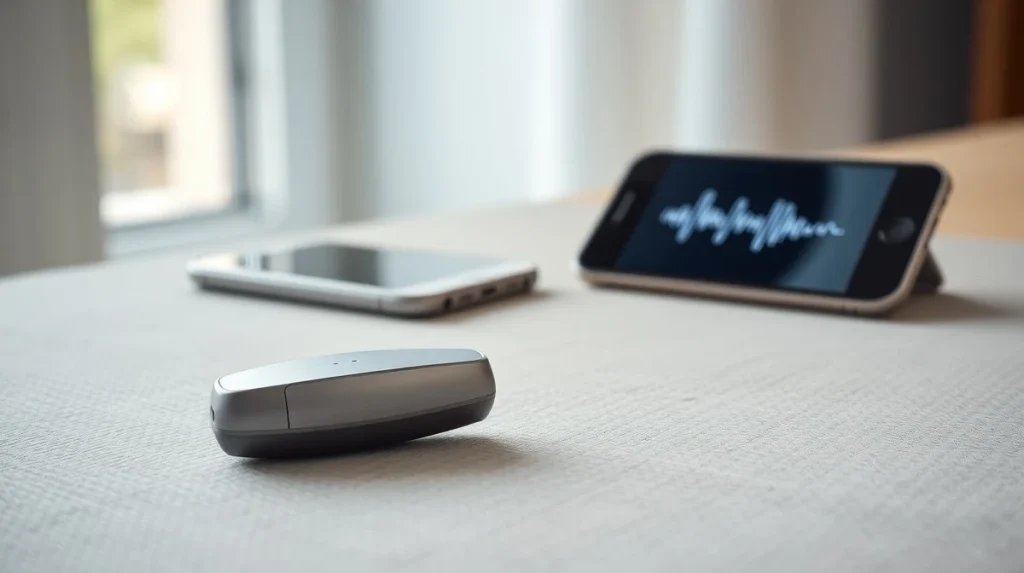
Artificial intelligence is the cornerstone of the next generation of hearing aids. AI algorithms enable features that were unimaginable a decade ago. For example, modern devices can learn user preferences, automatically adjust settings based on GPS location (e.g., home, restaurant, car), and even integrate with voice assistants for hands-free control. This deep integration with the broader consumer electronics ecosystem is another critical trend. Bluetooth Low Energy (BLE) connectivity is now standard, allowing hearing aids to function as high-fidelity wireless headphones for phone calls, music streaming, and television audio.
This convergence blurs the line between a medical device and a lifestyle product, reducing stigma and appealing to a tech-savvy generation. Major consumer electronics firms and audio brands have entered the space, bringing expertise in user interface design, mass manufacturing, and direct-to-consumer retail. Their involvement accelerates innovation in areas like mobile app control, self-fitting algorithms via smartphone, and sleek, consumer-friendly designs. The table below outlines key technological drivers and their market impact.
| Technology | Primary Function | Market Impact |
|---|---|---|
| AI Sound Processing | Real-time noise reduction, speech enhancement, acoustic scene classification | Improves user satisfaction in complex listening environments, justifies premium pricing. |
| Bluetooth LE Audio | Wireless streaming from phones, TVs, and computers with low power consumption. | Enhances utility, positions hearing aids as multi-purpose audio devices. |
| Rechargeable Batteries | Eliminates need for disposable zinc-air batteries. | Improves convenience and sustainability, a strong consumer preference. |
| Self-Fitting Mobile Apps | Guides users through initial setup and fine-tuning via smartphone. | Critical for OTC model functionality, empowers user control. |
Regional Market Insights and Competitive Space
Market growth is not uniform globally. North America, particularly the United States, currently leads due to the early implementation of OTC regulations and high healthcare spending. Europe follows closely, with a strong tradition of national health services covering or subsidizing hearing aids in many countries, though OTC models are gaining traction. The Asia-Pacific region is identified as the fastest-growing market, driven by its large, aging population, rising disposable incomes, and increasing awareness of hearing health. However, challenges remain, including affordability in developing economies and varying regulatory frameworks.
The competitive arena is evolving rapidly. Established hearing aid manufacturers, often referred to as the “Big Six,” are adapting their strategies by launching their own OTC-eligible products and enhancing direct-to-consumer channels. Simultaneously, they continue to innovate in the professional segment with advanced, clinically-fitted devices. They face new competition from consumer electronics companies, audio brands, and startups focused exclusively on the DTC OTC model. This competition is driving down prices for entry-level devices while pushing all players to improve technology, design, and customer service.
Conclusion
The trajectory of the hearing aids market toward USD 13.34 billion by 2031 reflects a fundamental shift in how hearing loss is addressed. The combination of regulatory approval for OTC devices, sophisticated AI sound processing, and effortless integration with consumer electronics is democratizing access to hearing technology. This evolution is expanding the market beyond traditional clinical settings, reaching millions of new users, and transforming hearing aids from purely medical devices into integrated personal technology. The ultimate beneficiaries are individuals with hearing loss, who now have more accessible, effective, and user-friendly options than at any point in history. The market’s growth is a direct indicator of improving global hearing health accessibility.
FAQs
Q1: What are OTC hearing aids and how do they differ from traditional ones?
OTC hearing aids are a new category established by the FDA for adults with perceived mild-to-moderate hearing loss. They can be purchased directly from stores or online without a prescription or fitting by an audiologist. Traditional hearing aids are typically prescribed and fitted by a hearing care professional following a medical evaluation and are suitable for all degrees of hearing loss.
Q2: How does AI improve hearing aid performance?
AI algorithms allow hearing aids to analyze sound environments in real time. They can automatically suppress background noise, enhance speech clarity, focus on a specific speaker in a crowd, and learn user preferences to optimize settings for different locations like home, work, or restaurants.
Q3: Can OTC hearing aids connect to smartphones and other devices?
Yes, most modern OTC and traditional hearing aids feature Bluetooth connectivity. This allows users to stream audio directly from smartphones, televisions, and computers for calls, music, and videos, effectively functioning as wireless headphones.
Q4: Who should not use an OTC hearing aid?
OTC hearing aids are not intended for children, individuals under 18, or people with severe to profound hearing loss. They are also not suitable for those with certain medical conditions like ear drainage, pain, sudden hearing loss, or dizziness. In these cases, consultation with a doctor or audiologist is essential.
Q5: What is driving the cost changes in the hearing aids market?
The introduction of OTC devices has increased competition and created more affordable entry-level options. However, advanced features like AI processing, rechargeability, and premium materials still command higher prices. The market now offers a wider price range, from basic OTC models to high-end professional devices with leading technology.

This article was produced with AI assistance and reviewed by our editorial team for accuracy and quality.