Greenland Invasion Threat: PM’s Chilling Warning Sparks Emergency Preparedness Measures
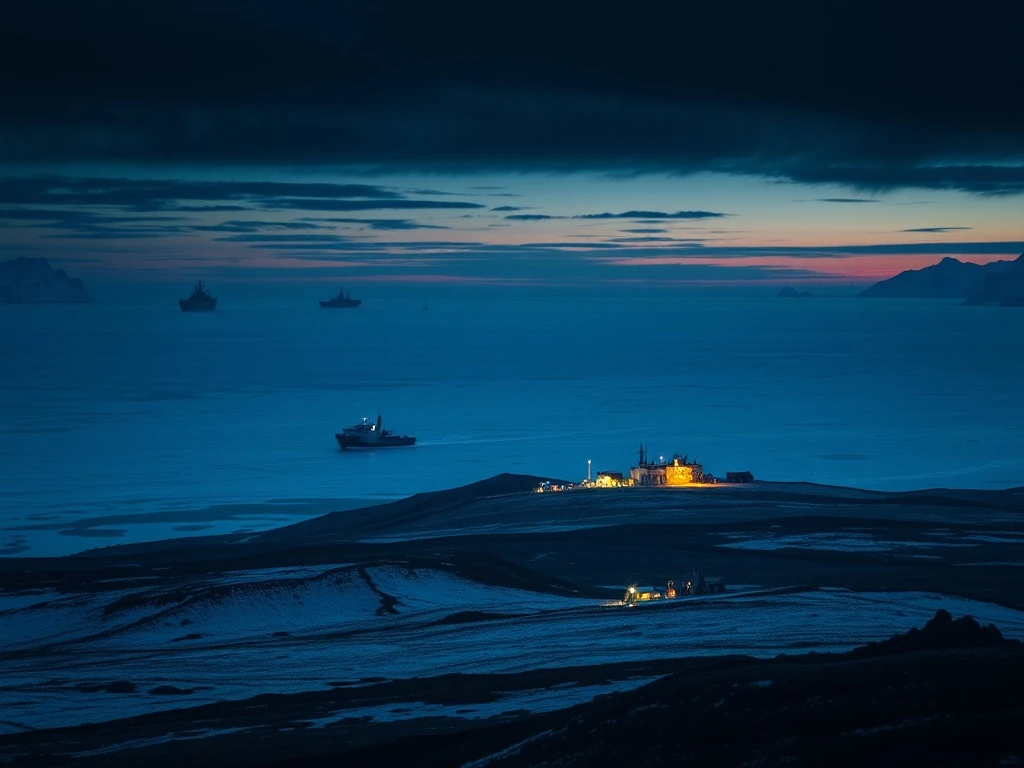
NUUK, Greenland – In a stark declaration that has reverberated through diplomatic circles, Greenland’s Prime Minister has issued a sobering warning about potential military invasion threats, specifically citing United States pressure as a concerning factor. This remarkable statement, first reported by Walter Bloomberg, represents a significant shift in Arctic security discourse and has triggered immediate governmental action. Consequently, the Greenlandic administration is now establishing dedicated emergency task forces while preparing civilian guidelines for crisis scenarios. Meanwhile, Denmark and allied nations are simultaneously reinforcing their Arctic defense postures, creating a complex geopolitical space in the strategically vital region.
Greenland Invasion Threat: Analyzing the Prime Minister’s Warning
The Greenlandic leader’s statement carefully balanced probability with precaution. While explicitly noting that an invasion remains “not highly probable,” the Prime Minister emphasized that the threat “cannot be ruled out” given current geopolitical pressures. This nuanced position reflects growing anxieties about Arctic sovereignty. Historically, Greenland has maintained a stable relationship with the United States, particularly through the Thule Air Base, a critical early-warning radar installation. However, recent years have witnessed increasing strategic competition in the Arctic region, primarily driven by climate change opening new shipping routes and revealing untapped natural resources.
Government officials are now translating this warning into concrete action. A dedicated interagency task force will coordinate emergency response planning across civil defense, healthcare, and infrastructure sectors. Furthermore, authorities plan to issue public guidelines advising residents to stockpile essential supplies, including food, water, and medicine, for several days. These measures aim to enhance community resilience against any potential disruption, whether military or environmental. Simultaneously, diplomatic channels remain active, with Greenland and Denmark seeking clarification and reassurance from Washington regarding long-term intentions in the Arctic sphere.
US Arctic Tensions and Strategic Motivations
The reference to “ongoing pressure from the United States” requires examination within broader strategic frameworks. The Arctic has transformed from a frozen periphery into a zone of intense geopolitical interest. The United States, Russia, China, and NATO members are all expanding their military and economic activities in the region. For the US, Greenland’s location offers unparalleled strategic advantages for monitoring maritime and aerial traffic across the North Atlantic and into the Arctic Ocean. The modernization of Russia’s Northern Fleet and its establishment of new Arctic bases has significantly heightened NATO’s security concerns, placing Greenland on the front line of renewed great-power competition.
Also read: Bitcoin Treasury Companies Face New Pressure as US-Iran Tensions Shift
Several key factors contribute to the perceived pressure:
- Resource Competition: Greenland possesses vast deposits of rare earth elements, important for electronics and green technology.
- Shipping Lanes: Melting ice is creating the Northern Sea Route, a shortcut between Europe and Asia.
- Military Positioning: Control of Greenland allows dominance over the GIUK Gap (Greenland-Iceland-United Kingdom), a naval chokepoint.
- Climate Security: The US views Arctic stability as directly linked to national security.
This table outlines recent US activities near Greenland that may inform local perceptions:
| Activity | Year | Reported Purpose |
|---|---|---|
| Increased bomber overflights | 2023-2024 | Arctic deterrence exercises |
| Thule Air Base modernization | 2022-Present | Space surveillance and missile warning |
| Diplomatic offers for investment | 2024 | Infrastructure and resource development |
| NATO Arctic exercises | Annual | Collective defense training |
Expert Analysis: Sovereignty and Security Dilemmas
Security analysts note that Greenland’s situation presents a classic sovereignty-security dilemma. As an autonomous territory within the Kingdom of Denmark, Greenland controls most domestic affairs, while Denmark handles foreign and security policy. This arrangement creates complexity when local perceptions of threat diverge from national assessments. Experts from the Danish Institute for International Studies suggest the Prime Minister’s statement serves multiple purposes: preparing the population for potential crises, signaling concern to allies, and strengthening Greenland’s voice in its own defense planning. The statement may also reflect internal political dynamics, where demonstrating vigilance on sovereignty resonates with the Greenlandic public.
Emergency Preparedness and Civil Defense Measures
In response to the identified threats, Greenland’s government is implementing a multi-layered preparedness strategy. The new emergency task force will operate with a mandate spanning risk assessment, resource allocation, and public communication. Guidelines for residents will likely include specific instructions on supply stockpiling, emergency shelter identification, and communication protocols during disruptions. These measures align with global best practices for remote community resilience, where geographic isolation necessitates greater self-sufficiency. Importantly, the planning explicitly considers Greenland’s unique environmental challenges, where extreme weather and limited infrastructure can compound any crisis.
The preparedness drive involves several practical components. Authorities are auditing existing emergency stores at community centers and healthcare facilities. Additionally, they are reviewing transportation assets, including the fleet of aircraft and ships critical for connecting dispersed settlements. Collaboration with the Danish Armed Forces’ Arctic Command ensures military and civilian plans remain synchronized. This comprehensive approach recognizes that effective civil defense requires integrating local knowledge with national resources, particularly in a territory where distances are vast and populations scattered.
Denmark and Allied Reinforcement of Arctic Defenses
The Prime Minister’s announcement coincides with, and references, strengthened defense activities by Denmark and its allies. Denmark has significantly increased its military investments in the Arctic, including the establishment of a new joint Arctic Command headquarters and the acquisition of specialized ice-capable patrol vessels. NATO, meanwhile, has expanded its Arctic exercises, with member states contributing surveillance aircraft, submarines, and ground forces trained for cold-weather operations. These collective efforts aim to demonstrate alliance cohesion and deter potential aggression in the High North. The reinforcement also addresses capability gaps identified in recent strategic reviews, which highlighted NATO’s limited infrastructure in the region compared to Russia’s extensive modernization.
This military buildup follows a consistent pattern over the past decade. Annual exercises like “Cold Response” in Norway and “Arctic Edge” led by US Northern Command have grown in scale and complexity. The United Kingdom has deployed its new offshore patrol vessels to the region, while Canada is modernizing its North Warning System. These actions, while defensive in stated intent, contribute to an overall atmosphere of militarization. For Greenland, the presence of allied forces offers a security guarantee but also increases its profile as a potential flashpoint. Danish officials consistently emphasize that their Arctic strategy balances deterrence with dialogue, seeking to maintain stability through both military readiness and diplomatic engagement.
Historical Context and Geopolitical Precedents
Greenland’s strategic significance is not a new development. During World War II, the United States established several weather stations and airfields on the island under an agreement with Denmark, which was then under German occupation. The 1951 Defense Agreement between Denmark and the US led to the construction of Thule Air Base, which became a cornerstone of Cold War early-warning systems. More recently, in 2019, then-President Donald Trump’s expressed interest in purchasing Greenland generated diplomatic friction and highlighted the territory’s perceived value. These historical episodes demonstrate that external powers have long viewed Greenland through a strategic lens, often prioritizing geopolitical considerations over local autonomy.
The current situation differs in several key aspects. Climate change has dramatically increased the Arctic’s accessibility and economic potential. Greenland’s own political evolution toward greater independence means its government now plays a more assertive role in security discussions. Furthermore, the multipolar nature of contemporary geopolitics, with China investing in Arctic research and infrastructure, creates a more complex playing field than the bipolar Cold War dynamic. These factors combine to make Greenland’s security calculus more intricate, requiring navigation between alliance obligations, sovereignty aspirations, and pragmatic threat assessment.
Conclusion
The Greenland invasion threat warning represents a decisive moment in Arctic security policy. While the probability of military conflict remains low, the Prime Minister’s statement underscores the serious geopolitical tensions reshaping the region. Greenland’s emergency preparedness initiatives, combined with Denmark and NATO’s reinforced defenses, illustrate a comprehensive response to perceived vulnerabilities. Ultimately, this situation highlights the challenges small autonomous territories face in great-power competition zones. The coming months will likely see continued diplomatic engagement aimed at clarifying intentions and reducing misperception. For now, Greenland is taking prudent steps to enhance its resilience, ensuring its people are prepared for any contingency in an increasingly uncertain Arctic arena.
FAQs
Q1: Why would the United States consider invading Greenland?
The Prime Minister did not claim an invasion was planned, but referenced “pressure” that creates uncertainty. Analysts suggest strategic motivations could include securing rare earth minerals, controlling emerging shipping lanes, or preempting military advances by rivals like Russia or China in the strategically vital Arctic region.
Q2: What is Denmark’s role in Greenland’s defense?
Denmark handles foreign and security policy for the Kingdom, which includes Greenland. The Danish military’s Arctic Command is responsible for defense operations. Denmark has recently increased its Arctic military presence with new vessels and command structures, coordinating closely with NATO allies.
Q3: What should Greenland residents do to prepare?
The government plans to issue guidelines advising residents to stockpile essential supplies for several days, including non-perishable food, water, medicine, and emergency heating sources. These are standard civil defense measures for remote communities facing potential disruptions.
Q4: How has Russia’s activity in the Arctic affected this situation?
Russia’s substantial military modernization in the Arctic, including reopened Soviet-era bases and new missile systems, has triggered NATO responses. Greenland’s location makes it strategically important for monitoring Russian activities, increasing its relevance in Western defense planning.
Q5: Is there historical precedent for foreign military interest in Greenland?
Yes. The US established bases in Greenland during World War II and the Cold War, most notably Thule Air Base. The 1951 Defense Agreement formalized the US presence. More recently, in 2019, a US president publicly discussed purchasing Greenland, highlighting ongoing strategic interest.

This article was produced with AI assistance and reviewed by our editorial team for accuracy and quality.