Fetal Monitoring Devices Market Achieves Remarkable 6.34% Growth Trajectory Through 2034
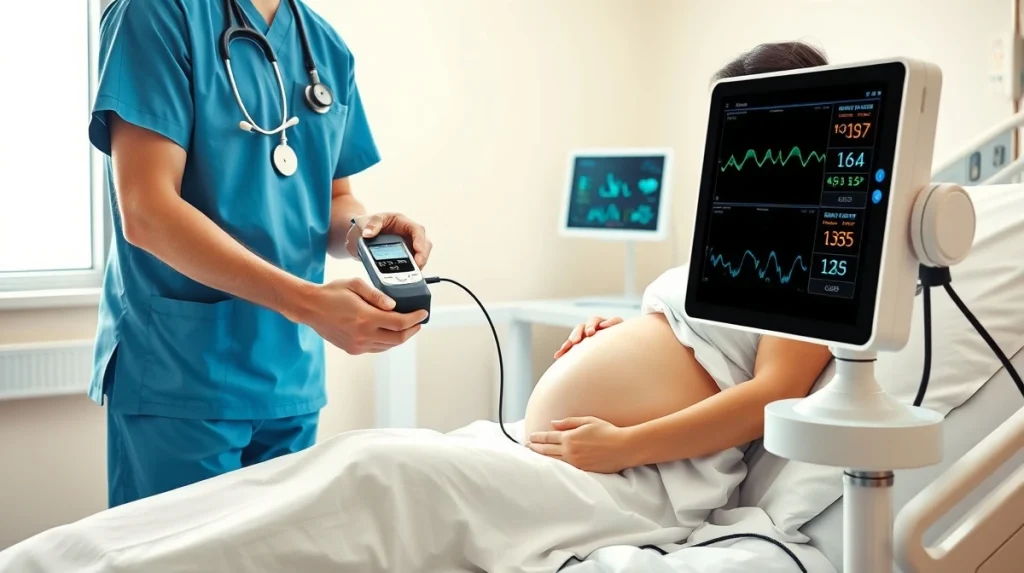
The global fetal monitoring devices market is experiencing significant expansion, with analysts projecting steady growth at a compound annual rate of 6.34% through 2034. This upward trajectory reflects increasing global emphasis on maternal-fetal healthcare and technological advancements from industry leaders including Philips, GE Healthcare, and Natus Medical. Market expansion is particularly notable as healthcare systems worldwide prioritize reducing maternal and infant mortality rates.
Fetal Monitoring Devices Market Drivers and Current Environment
Several key factors are propelling the fetal monitoring devices market forward. Rising global birth rates in developing regions have created substantial demand for improved prenatal care technologies. Additionally, increasing maternal age in developed countries has heightened the need for advanced monitoring solutions. Healthcare providers now recognize that comprehensive fetal monitoring can significantly reduce adverse pregnancy outcomes. Consequently, hospitals and clinics are investing more heavily in modern monitoring equipment.
Also read: M Series ANC Token Presale Launches with Detailed Vesting
Technological innovation represents another major growth driver. Manufacturers have developed increasingly sophisticated devices that provide more accurate data with greater patient comfort. For instance, wireless monitoring systems now allow patients greater mobility during labor. Furthermore, integration with electronic health records has streamlined clinical workflows. These advancements have made fetal monitoring more effective and accessible across diverse healthcare settings.
Key Market Segments and Product Categories
The fetal monitoring devices market encompasses several distinct product categories, each serving specific clinical needs:
Also read: Pepeto Presale Attracts Investor Interest Amid Meme Coin Rally
- Electronic Fetal Monitors (EFM): These devices remain the standard in hospital labor and delivery units, providing continuous tracking of fetal heart rate and uterine contractions.
- Doppler Devices: Portable handheld devices used for intermittent monitoring during prenatal visits and early labor assessment.
- Telemetry Systems: Wireless monitoring solutions that allow patient mobility while maintaining continuous surveillance.
- Accessories and Consumables: Including transducers, belts, gels, and other necessary components for monitoring procedures.
Leading Companies and Competitive Arena
Philips Healthcare maintains a strong position in the fetal monitoring devices market through its Avalon series monitors. The company has focused on developing integrated solutions that connect monitoring data directly to hospital information systems. Similarly, GE Healthcare’s Corometrics brand offers comprehensive monitoring systems used in thousands of hospitals worldwide. These systems provide advanced analytics that help clinicians interpret complex fetal heart rate patterns.
Natus Medical Incorporated specializes in neurological and newborn care products, including specialized fetal monitoring solutions. The company’s Nicolet and Olympic brands provide monitoring technologies for high-risk pregnancies. Other significant players include Edan Instruments, ArjoHuntleigh, and Neoventa Medical. Each company brings distinct technological approaches to fetal monitoring, supporting healthy competition and innovation within the market.
Regional Market Variations and Adoption Patterns
North America currently represents the largest market for fetal monitoring devices, driven by advanced healthcare infrastructure and high healthcare expenditure. The United States particularly demonstrates strong adoption of new monitoring technologies. Europe follows closely, with Germany, France, and the United Kingdom leading regional implementation. These regions benefit from well-established prenatal care protocols and reimbursement systems that support technological adoption.
Meanwhile, the Asia-Pacific region shows the fastest growth rate for fetal monitoring devices. Countries like China and India are investing substantially in maternal healthcare infrastructure. Rising disposable incomes and increasing awareness about prenatal care are driving market expansion in these emerging economies. Latin America and the Middle East also present growing opportunities as healthcare systems modernize and prioritize maternal-fetal health initiatives.
Technological Advancements Shaping the Market
Recent technological developments have significantly enhanced fetal monitoring capabilities. Artificial intelligence and machine learning algorithms now assist clinicians in interpreting complex fetal heart rate patterns. These systems can identify subtle changes that might indicate fetal distress. Additionally, cloud-based monitoring platforms enable remote consultation between community clinics and specialist centers. This technology proves particularly valuable in rural areas with limited access to maternal-fetal medicine specialists.
Wearable monitoring technology represents another important innovation. New devices allow expectant mothers to monitor fetal wellbeing from home, transmitting data directly to healthcare providers. This approach reduces unnecessary hospital visits while maintaining close surveillance of high-risk pregnancies. Furthermore, improved sensor technology has increased monitoring accuracy while enhancing patient comfort during prolonged monitoring sessions.
Clinical Applications and Patient Impact
Fetal monitoring devices serve critical functions across various clinical scenarios. During labor, continuous electronic fetal monitoring helps identify potential complications requiring intervention. For high-risk pregnancies, including those with gestational diabetes or hypertension, regular monitoring provides essential surveillance. Antepartum testing units utilize specialized monitors to assess fetal wellbeing before labor begins. These applications collectively contribute to improved pregnancy outcomes and reduced neonatal complications.
Healthcare providers emphasize that appropriate fetal monitoring can significantly reduce preventable adverse outcomes. However, they also note the importance of proper training in device operation and data interpretation. Consequently, leading manufacturers now incorporate comprehensive training programs with their monitoring systems. These educational initiatives ensure that clinicians can maximize the clinical benefits of advanced monitoring technologies.
Regulatory Environment and Quality Standards
The fetal monitoring devices market operates within a stringent regulatory framework designed to ensure patient safety. In the United States, the Food and Drug Administration (FDA) classifies these devices as Class II medical devices, requiring premarket notification through the 510(k) process. Similarly, the European Union’s Medical Device Regulation (MDR) establishes rigorous requirements for device safety and performance. These regulations mandate comprehensive clinical testing and post-market surveillance programs.
International standards organizations, including the International Electrotechnical Commission (IEC), have developed specific standards for fetal monitoring devices. IEC 60601-2-43 addresses particular safety requirements for fetal monitoring equipment. Compliance with these standards demonstrates device safety and reliability to healthcare providers and regulatory authorities worldwide. Manufacturers must deal with this complex regulatory environment while bringing innovative products to market.
Market Challenges and Limitations
Despite strong growth projections, the fetal monitoring devices market faces several challenges. High equipment costs can limit adoption in resource-constrained healthcare settings, particularly in developing regions. Additionally, some healthcare systems struggle with adequate reimbursement for advanced monitoring technologies. Technical complexity also presents barriers, as proper device operation requires specialized training that may not be universally available.
Clinical controversies surrounding monitoring interpretation present another challenge. Different clinicians may interpret the same fetal heart rate patterns differently, leading to variability in clinical management. Manufacturers are addressing this issue through standardized interpretation algorithms and decision-support systems. Furthermore, concerns about over-monitoring and unnecessary interventions have prompted research into optimal monitoring protocols for different patient populations.
Future Outlook and Projected Developments
Industry analysts anticipate continued innovation throughout the forecast period extending to 2034. Integration with broader digital health ecosystems will likely represent a major development area. Fetal monitoring data may increasingly connect with electronic health records, telehealth platforms, and population health management systems. This integration will enable more comprehensive pregnancy care management across different care settings.
Personalized monitoring approaches represent another promising development direction. Future systems may adapt monitoring parameters based on individual patient risk factors and pregnancy characteristics. Additionally, non-invasive monitoring techniques continue to advance, potentially reducing discomfort while improving data quality. These innovations will likely expand appropriate monitoring applications while enhancing clinical utility across diverse patient populations.
Conclusion
The fetal monitoring devices market demonstrates reliable growth potential, supported by technological innovation and increasing global focus on maternal-fetal health. With a projected compound annual growth rate of 6.34% through 2034, this market segment represents a vital component of modern obstetric care. Leading companies including Philips, GE Healthcare, and Natus Medical continue driving advancements that improve pregnancy outcomes worldwide. As healthcare systems increasingly prioritize prenatal care quality, fetal monitoring technologies will play an essential role in safeguarding maternal and infant health across diverse global populations.
FAQs
Q1: What is driving growth in the fetal monitoring devices market?
Market growth is primarily driven by increasing global emphasis on maternal-fetal health, rising birth rates in developing regions, technological advancements in monitoring devices, and growing awareness about prenatal care importance.
Q2: Which companies lead the fetal monitoring devices market?
Philips Healthcare, GE Healthcare, and Natus Medical Incorporated are recognized as market leaders, with each company offering distinct technological approaches to fetal monitoring and maternal-fetal healthcare.
Q3: How do fetal monitoring devices improve pregnancy outcomes?
These devices enable early detection of potential complications, allowing timely clinical intervention. Continuous monitoring during labor helps identify fetal distress, while antepartum testing assesses fetal wellbeing before labor begins.
Q4: What are the main types of fetal monitoring devices available?
Major categories include electronic fetal monitors for continuous monitoring in hospital settings, Doppler devices for intermittent assessment, telemetry systems for wireless monitoring, and various accessories and consumables required for monitoring procedures.
Q5: How is technology changing fetal monitoring practices?
Technological advancements include artificial intelligence-assisted interpretation of fetal heart rate patterns, wireless and wearable monitoring options, cloud-based data platforms for remote consultation, and improved sensor technology for greater accuracy and patient comfort.

This article was produced with AI assistance and reviewed by our editorial team for accuracy and quality.