Europe Automotive Logistics Market Confronts Decisive Transformation, Projected to Reach USD 79.61 Billion by 2031
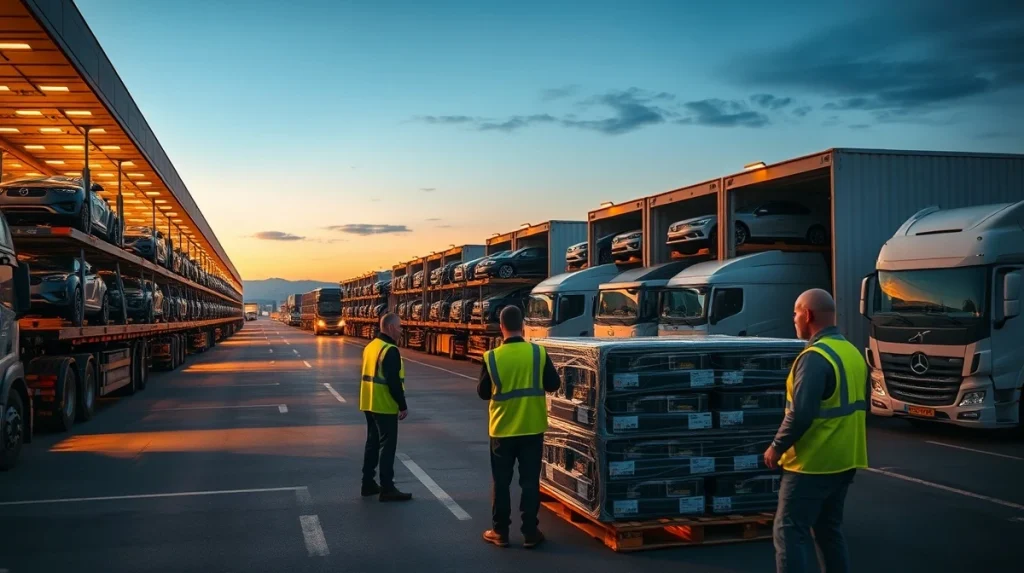
Europe’s automotive logistics sector is undergoing a fundamental restructuring, driven by electric vehicle adoption, regional supply chain realignments, and persistent capacity constraints. According to recent market analysis, the Europe automotive logistics market is projected to grow significantly, potentially reaching USD 79.61 billion by 2031. This evolution presents both substantial challenges and opportunities for manufacturers, logistics providers, and policymakers across the continent as of March 2026.
Europe Automotive Logistics Market Faces Multifaceted Pressures
The European automotive logistics sector is currently working through a complex convergence of factors. Firstly, the rapid acceleration of electric vehicle production has introduced new logistical requirements, particularly for battery transport. Secondly, geopolitical tensions and trade policy shifts have prompted manufacturers to reevaluate and regionalize supply chains. Consequently, logistics networks must adapt to handle different material flows and inventory strategies. Thirdly, chronic capacity shortages in transport, warehousing, and labor continue to strain operations, affecting lead times and costs.
Also read: M Series ANC Token Presale Launches with Detailed Vesting
Industry analysts note that these pressures are reshaping traditional logistics models. For instance, the just-in-time delivery system, long a cornerstone of automotive manufacturing, is being supplemented by just-in-case inventory buffers. This shift increases demand for warehousing space and more flexible transportation solutions. Meanwhile, the need for specialized equipment to handle hazardous battery materials adds another layer of complexity and cost.
Electric Vehicle Battery Logistics Emerge as Critical Challenge
The transition to electric mobility represents perhaps the most significant driver of change in automotive logistics. Electric vehicle batteries require specific handling, storage, and transportation conditions due to their weight, size, and classification as dangerous goods. Logistics providers must invest in specialized assets and training to manage these flows safely and compliantly.
Also read: Pepeto Presale Attracts Investor Interest Amid Meme Coin Rally
Key logistical considerations for EV batteries include:
- Temperature-controlled transport: Batteries often require stable temperature ranges during transit to prevent degradation or safety risks.
- Safety and regulatory compliance: Transport falls under strict international regulations for dangerous goods (ADR in Europe), requiring certified packaging, labeling, and trained personnel.
- Reverse logistics: Establishing efficient systems for battery recycling, repurposing, or end-of-life management is becoming increasingly important.
- Supply chain configuration: Battery production locations, often distant from traditional automotive hubs, necessitate new freight corridors and intermediate storage nodes.
This specialization creates both a barrier to entry and a potential competitive advantage for logistics firms that develop early expertise. Furthermore, it influences where new logistics infrastructure is developed, often favoring regions with growing battery gigafactory investments.
Capacity Constraints and Infrastructure Demands
Across Europe, logistics capacity remains a persistent concern. The automotive sector competes with other industries for limited freight capacity on roads, rails, and short-sea shipping routes. Driver shortages, particularly for specialized vehicle carriers, exacerbate these challenges. Warehousing availability, especially for temperature-controlled or high-security storage, is also tight in key industrial regions.
These constraints have several direct impacts. Firstly, they increase transportation costs, which manufacturers must absorb or pass through. Secondly, they reduce supply chain resilience, making networks more vulnerable to disruptions. Thirdly, they incentivize investment in automation and digitalization to improve asset utilization. For example, telematics and advanced planning software help optimize load factors and route efficiency for car carriers.
Regional Supply Chain Shifts Reshape Logistics Networks
Recent years have seen a marked trend toward supply chain regionalization and nearshoring in Europe. Motivated by desires for greater resilience, sustainability, and political stability, automakers are sourcing more components from within Europe or nearby regions. This shift changes freight patterns, reducing some long-distance maritime flows while increasing intra-European road and rail traffic.
The table below illustrates key changes in logistics flows:
| Traditional Flow | Evolving Trend | Logistics Implication |
|---|---|---|
| Components from Asia | Increased European sourcing | More regional trucking, less deep-sea container |
| Centralized production | Distributed manufacturing | Increased intra-factory parts movement |
| Linear supply chains | Networked ecosystems | Need for multi-modal hubs |
This regionalization supports sustainability goals by shortening transport distances. However, it also requires reconfiguring logistics networks and may concentrate traffic on specific European corridors, potentially creating new bottlenecks. Additionally, it places greater importance on border efficiency within the European Single Market, especially following changes in UK-EU trade relations.
Technological and Sustainable Innovations
In response to these challenges, the sector is embracing technological and sustainable innovations. Digital tools like Internet of Things sensors provide real-time visibility into vehicle and component shipments, improving security and predictability. Meanwhile, data analytics help optimize routes and inventory placement. On the sustainability front, there is growing adoption of alternative fuel vehicles in logistics fleets, such as electric or hydrogen-powered trucks for last-mile delivery from ports to dealerships.
Furthermore, intermodal transport—combining road, rail, and short-sea shipping—is gaining traction to reduce congestion and emissions. The European Green Deal and associated regulations are accelerating this shift by setting stricter emissions targets for freight transport. Consequently, logistics providers are investing in cleaner assets and more efficient operations to meet both regulatory and customer demands.
Conclusion
The Europe automotive logistics market stands at a critical juncture, shaped by the electric transition, supply chain reconfiguration, and operational pressures. Projected growth to USD 79.61 billion by 2031 reflects the sector’s expanding role and complexity. Success will depend on strategic investments in specialized infrastructure, digital capabilities, and sustainable practices. For stakeholders across the value chain, adaptability and collaboration will be essential to handle this transformed field and support the future of European mobility.
FAQs
Q1: What is the main driver of growth in the Europe automotive logistics market?
The primary growth driver is the rapid transition to electric vehicles, which requires new logistics for batteries and components, alongside broader supply chain regionalization and capacity optimization efforts.
Q2: Why are EV batteries a particular challenge for logistics?
EV batteries are heavy, bulky, classified as dangerous goods, and often require temperature-controlled transport and specialized handling, necessitating significant investment in equipment, training, and regulatory compliance.
Q3: How is supply chain regionalization affecting logistics?
Regionalization increases intra-European freight movements by road and rail, reduces some long-distance sea freight, and requires reconfiguration of logistics networks and hubs to support more localized production.
Q4: What are the key capacity constraints in the market?
Major constraints include shortages of specialized vehicle carriers and drivers, limited warehousing space (especially with specific requirements), and congestion on key transport corridors, all of which increase costs and reduce resilience.
Q5: How is the sector addressing sustainability?
The sector is adopting alternative fuel vehicles, increasing use of intermodal transport (rail/short-sea), implementing digital tools for route optimization, and responding to regulatory pressures like the European Green Deal to reduce emissions.

This article was produced with AI assistance and reviewed by our editorial team for accuracy and quality.