Ethereum Whale’s Alarming Retreat: Trend Research Slashes Holdings as DeFi Loan Pressure Intensifies
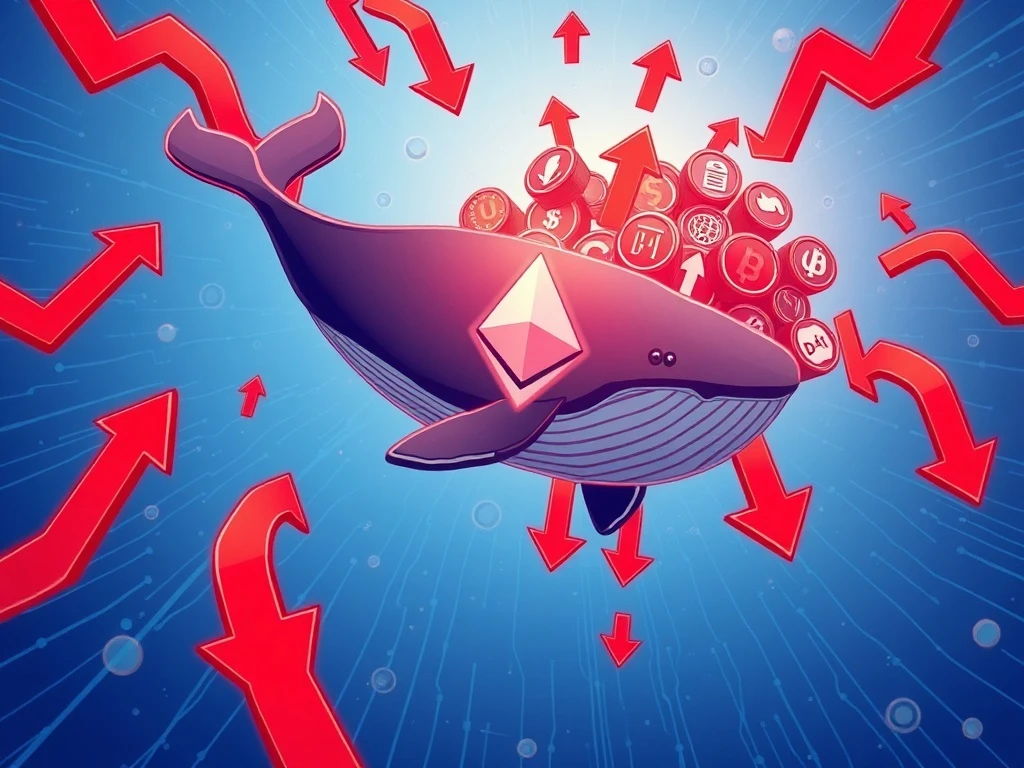
In a significant market development that underscores growing systemic pressures within decentralized finance, prominent Ethereum whale Trend Research has initiated substantial sell-offs of its ETH holdings to address mounting DeFi loan obligations. This strategic retreat from leveraged positions, observed across multiple blockchain analytics platforms throughout late 2024 and early 2025, highlights the complex interplay between cryptocurrency valuations and decentralized lending protocols. Consequently, market analysts now scrutinize whether this represents an isolated risk management decision or signals broader deleveraging trends across digital asset markets.
Trend Research’s Ethereum Position Unwinding
Blockchain data from Etherscan and Nansen reveals that Trend Research, an entity controlling one of Ethereum’s largest non-exchange wallets, began systematically reducing its ETH exposure as prices approached critical support levels. The whale entity executed multiple transactions moving thousands of ETH to major exchanges including Coinbase and Binance. Furthermore, on-chain metrics indicate corresponding repayments to Compound, Aave, and MakerDAO protocols, suggesting coordinated risk reduction. Market observers note this activity coincided with ETH testing the $3,200 support zone, a level that had previously held during three separate 2024 corrections.
Also read: Bitcoin ETP Flows Surge: Fidelity's Macro Chief Spots Critical Capital Rotation from Gold
Simultaneously, decentralized finance analytics platform DeFi Llama reported decreasing collateralization ratios across Trend Research’s loan positions in the weeks preceding the sell-off. The entity’s combined loan-to-value ratio across protocols approached 75% before the liquidation events began. This threshold typically triggers automated risk management protocols within sophisticated trading operations. Additionally, gas fee spikes on the Ethereum network during these transactions suggest urgency in the position adjustments.
The Mechanics of DeFi Loan Pressure
Decentralized finance lending operates through overcollateralized positions where borrowers deposit cryptocurrency assets as collateral to borrow other assets. When collateral values decline significantly, protocols automatically liquidate positions to maintain system solvency. Trend Research’s situation exemplifies this dynamic perfectly. The entity had utilized ETH as collateral to obtain stablecoins and other assets, creating leveraged exposure to Ethereum’s price performance.
Also read: BlockDAG's Defiant $0.000022 Presale Emerges as TRUMP Slumps and TAO Soars
As ETH prices declined approximately 18% from early December 2024 peaks, the value of Trend Research’s collateral decreased while loan obligations remained constant. This created mounting pressure to either add additional collateral or reduce debt exposure. The whale chose the latter approach, selling ETH holdings to repay loans and avoid forced liquidations that could have exacerbated market declines. This decision reflects sophisticated risk management but also removes a substantial buyer from the market.
Market Impact and Broader Implications
The sell-off from Trend Research contributed to increased selling pressure on Ethereum markets during a period of already fragile sentiment. Exchange order book data shows increased ask-side density following the whale’s transactions. Moreover, the Ethereum options market displayed heightened put activity, with traders increasing bearish bets as the news circulated. This reaction demonstrates how large holder actions can influence derivative market positioning and overall market psychology.
Beyond immediate price effects, the situation raises important questions about DeFi system resilience. Major protocols handled the position unwinding without technical issues, processing millions in liquidations smoothly. However, analysts question whether simultaneous deleveraging across multiple large positions could stress these systems. The 2022 crypto lending crisis demonstrated how interconnected positions can create cascading effects. Current risk metrics suggest DeFi protocols maintain healthy safety buffers, but Trend Research’s actions warrant monitoring of similar large positions.
| Metric | Early December | Current Status | Change |
|---|---|---|---|
| ETH Holdings | 42,500 ETH | 31,200 ETH | -26.6% |
| DeFi Loan Exposure | $68M | $41M | -39.7% |
| Collateralization Ratio | 182% | 245% | +63% |
| Protocols Used | 5 | 3 | -2 |
Additionally, the whale’s retreat coincides with broader macroeconomic developments affecting cryptocurrency markets. Rising traditional interest rates throughout 2024 increased opportunity costs for holding volatile digital assets. Regulatory developments concerning decentralized finance in multiple jurisdictions created uncertainty. These factors combined to make highly leveraged crypto positions increasingly risky, prompting reassessment by sophisticated market participants like Trend Research.
Historical Context and Pattern Recognition
This episode represents the third major deleveraging event involving Trend Research since 2021. Previous instances occurred during the May 2021 market correction and the June 2022 Celsius contagion period. In each case, the entity reduced exposure ahead of broader market declines, demonstrating sophisticated risk assessment capabilities. Analysis of blockchain patterns suggests Trend Research typically rebuilds positions during market recoveries, suggesting this may represent tactical repositioning rather than permanent exit.
Comparisons with Bitcoin whale behavior reveal interesting distinctions. Bitcoin large holders have generally shown more stability during recent volatility, with fewer forced liquidations reported. This difference likely stems from Bitcoin’s more established status as collateral within traditional and decentralized finance systems. Ethereum’s dual role as both investment asset and DeFi infrastructure creates unique volatility dynamics that sophisticated players must deal with carefully.
Expert Analysis and Future Outlook
Cryptocurrency analysts offer varied interpretations of these developments. Some view Trend Research’s actions as prudent risk management during uncertain market conditions. Others express concern about potential signaling effects if additional large holders follow similar strategies. The critical question remains whether this represents isolated position adjustment or early indication of broader DeFi deleveraging.
Market structure experts note several factors that could influence future developments:
- Protocol upgrades: Ethereum’s continued transition to proof-of-stake and layer-2 scaling solutions may reduce network congestion during liquidations
- Institutional participation: Growing traditional finance involvement in DeFi could provide alternative liquidity sources during stress periods
- Regulatory clarity: Expected 2025 regulatory frameworks may reduce uncertainty that currently affects leveraged positions
- Cross-chain expansion: DeFi activity spreading across multiple blockchain networks could reduce systemic concentration risks
Technical analysis suggests Ethereum faces important tests at the $3,000 psychological support level. A sustained break below this level could trigger additional deleveraging across the ecosystem. Conversely, successful defense of this support might encourage sidelined capital to reenter markets. The coming weeks will likely determine whether Trend Research’s actions represent forward-looking risk management or early warning of broader challenges.
Conclusion
Trend Research’s reduction of Ethereum holdings amid mounting DeFi loan pressure highlights the evolving maturity of cryptocurrency markets. Large participants now employ sophisticated risk management strategies that mirror traditional finance practices. This development demonstrates both the growing integration between cryptocurrency holdings and decentralized finance systems and the potential vulnerabilities within this interconnected ecosystem. As markets continue developing, observers should monitor whether similar position adjustments occur across other major holders, potentially signaling broader reassessment of leveraged cryptocurrency strategies. The Ethereum whale’s strategic retreat ultimately provides valuable insights into DeFi system resilience and large holder behavior during market stress.
FAQs
Q1: What exactly is Trend Research in the context of cryptocurrency markets?
Trend Research represents a pseudonymous entity or group controlling one of the largest non-exchange Ethereum wallets. Blockchain analysts identify it through its transaction patterns and portfolio composition, though its exact nature remains unknown. The entity has demonstrated sophisticated market timing across multiple cycles.
Q2: How does DeFi loan pressure force large holders to sell their cryptocurrency?
DeFi loans require overcollateralization, meaning borrowers must maintain collateral value above loan amounts. When cryptocurrency prices decline, collateral values drop relative to loan balances. Protocols may liquidate positions automatically if collateral ratios fall below thresholds, forcing sales. Sophisticated holders often preempt this by voluntarily reducing positions.
Q3: Could Trend Research’s actions trigger a broader market decline for Ethereum?
While single entities rarely determine overall market direction, large sell-offs can contribute to negative sentiment and increased selling pressure. The psychological impact often proves more significant than the direct market impact, particularly if other large holders interpret the move as a signal to reduce exposure.
Q4: What distinguishes this deleveraging event from previous cryptocurrency market corrections?
This event occurs within a more mature DeFi ecosystem with established liquidation mechanisms and greater institutional participation. Previous corrections involved less sophisticated systems and more forced liquidations. Current events show proactive risk management rather than reactive responses to margin calls.
Q5: How can ordinary investors monitor similar developments in cryptocurrency markets?
Several blockchain analytics platforms provide whale tracking features, including Nansen, Glassnode, and Etherscan watchlists. Monitoring large wallet movements, exchange inflows, and DeFi protocol utilization rates can provide early indications of market sentiment shifts among sophisticated participants.

This article was produced with AI assistance and reviewed by our editorial team for accuracy and quality.