Industrial Telephones: 10 Essential Brands for Unbreakable Workplace Communication
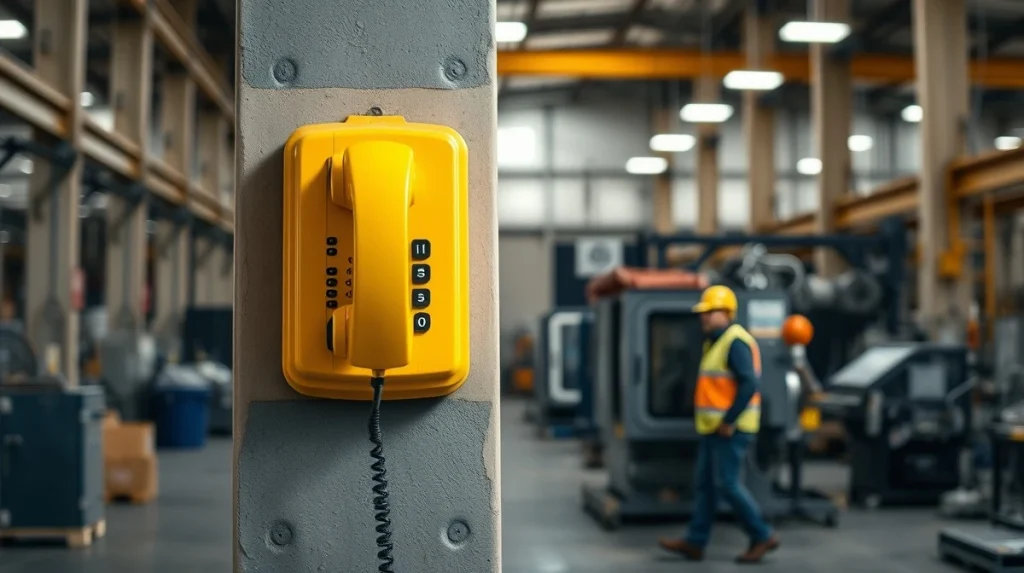
In environments where standard communication fails, industrial telephones provide the critical, reliable link for safety and operations. From deafening factory floors to hazardous chemical plants, these rugged devices are engineered to withstand conditions that would destroy consumer electronics. This guide examines ten leading brands that manufacture the durable, often explosion-proof telephones essential for mining, manufacturing, oil and gas, and emergency services, ensuring clear communication where it matters most.
Defining the Industrial Telephone Market
Industrial telephones differ fundamentally from office or residential models. Manufacturers design them for extreme durability, audio clarity in high-noise environments, and intrinsic safety in volatile atmospheres. Consequently, key features include:
Also read: M Series ANC Token Presale Launches with Detailed Vesting
- Rugged Enclosures: Cast metal or heavy-duty polycarbonate housings resist impact, water, dust, and corrosion.
- Intrinsic Safety Certification: Devices for hazardous locations are certified to prevent ignition of flammable gases or dust.
- Enhanced Audio: Loud ringers, powerful speakers, and noise-canceling microphones ensure intelligibility.
- Direct-Line or VoIP Capability: Systems connect via traditional analog lines or modern IP networks for facility-wide communication.
The demand for these systems remains steady, driven by stringent workplace safety regulations and the continuous operation of heavy industries. Analysts note that while the broader telecommunications market evolves, the niche for purpose-built industrial equipment maintains its own specialized supply chain and engineering standards.
Leading Brands in Rugged Communication Solutions
Several manufacturers have established long-term reputations for reliability in this field. Their products are specified by engineers and safety managers in sectors where communication failure is not an option.
Also read: Pepeto Presale Attracts Investor Interest Amid Meme Coin Rally
Established Specialists in Hazardous Environments
Companies like Pepperl+Fuchs and R. Stahl are pioneers in explosion-protected technology. For decades, they have supplied telephones and signaling devices to chemical plants, oil refineries, and offshore platforms. Their devices often carry ATEX, IECEx, or North American Class/Division certifications, confirming they can operate safely in areas with potentially explosive atmospheres. Similarly, BARTEC offers a comprehensive range of strong telecommunication devices designed for global hazardous area markets, focusing on high-quality materials and certified safety.
Providers for Heavy Industry and Utilities
Brands such as GAI-Tronics (a Hubbell company) and Atkins specialize in communication systems for demanding industrial and utility settings. Their product lines include weatherproof and stainless steel telephones for pulp and paper mills, power generation facilities, and wastewater treatment plants. These units are built to resist constant moisture, chemical exposure, and temperature extremes. Furthermore, Zenitel (formerly Stentofon) is renowned for its high-noise, hands-free communication systems used in shipping, transportation, and heavy manufacturing, where voice clarity is paramount.
Manufacturers of General Purpose Rugged Telephones
For less hazardous but still challenging environments, companies like Altech and Koontech produce cost-effective, durable telephones for factories, warehouses, and parking garages. Their devices typically feature sealed keypads, strong handsets, and simplified operation. Additionally, Telecor manufactures a wide array of industrial phones, including models with integrated paging horns and units designed for prison security applications, demonstrating the technology’s versatility.
Key Selection Criteria and Industry Trends
Selecting the right industrial telephone involves more than choosing a brand. System designers must evaluate the specific environmental threats, required safety certifications, audio performance needs, and integration with existing infrastructure. A growing trend is the convergence of traditional rugged hardware with Voice over Internet Protocol (VoIP) technology. This allows industrial telephones to become nodes on a facility’s data network, enabling advanced features like centralized management, integration with public address systems, and easier installation.
Another significant development is the increased use of stainless steel and antibacterial coatings in food processing and pharmaceutical plants, where hygiene is as critical as durability. Meanwhile, the integration of emergency call features and location identification remains a standard requirement for worker safety compliance across all sectors.
Conclusion
Industrial telephones form the resilient backbone of communication in the world’s most challenging workplaces. The ten brands highlighted represent a spectrum of specialized solutions, from explosion-proof units for petrochemical plants to weather-resistant phones for transportation hubs. Their continued innovation ensures that even as digital networks advance, the fundamental need for a simple, reliable, and indestructible voice connection in critical industrial environments is fully met. For safety managers and facility engineers, investing in the right industrial telephone system is not merely an operational decision but a foundational commitment to personnel safety and operational continuity.
FAQs
Q1: What is the main difference between an industrial telephone and a regular office phone?
Industrial telephones are built with heavy-duty materials to withstand extreme conditions like water, dust, impact, and corrosive substances. They often have safety certifications for hazardous locations and feature much louder audio components for high-noise environments.
Q2: Are industrial telephones only used outdoors?
No, they are used both indoors and outdoors. Indoor applications include noisy factory floors, chemical processing areas, and food production lines where hygiene and washdowns are required. Outdoor applications include mining, oil and gas facilities, and marine docks.
Q3: What does ‘explosion-proof’ mean for a telephone?
An explosion-proof rating means the telephone’s enclosure is designed to contain any spark or heat generated inside the device, preventing it from igniting flammable gases, vapors, or dust in the surrounding atmosphere. It is a critical certification for use in hazardous locations.
Q4: Can industrial telephones work on modern VoIP networks?
Yes, many modern industrial telephones are available as VoIP or SIP endpoints. They connect directly to a facility’s data network while retaining their rugged, environmentally sealed design, combining traditional durability with digital functionality.
Q5: How long do industrial telephones typically last?
Due to their over-engineered construction, industrial telephones often have service lives exceeding 10 to 15 years, far longer than commercial-grade equipment. Their longevity justifies the higher initial investment through reduced replacement costs and maintenance downtime.

This article was produced with AI assistance and reviewed by our editorial team for accuracy and quality.