Eric Adams NYC Token Denial: Explosive Accusations Follow 80% Market Crash
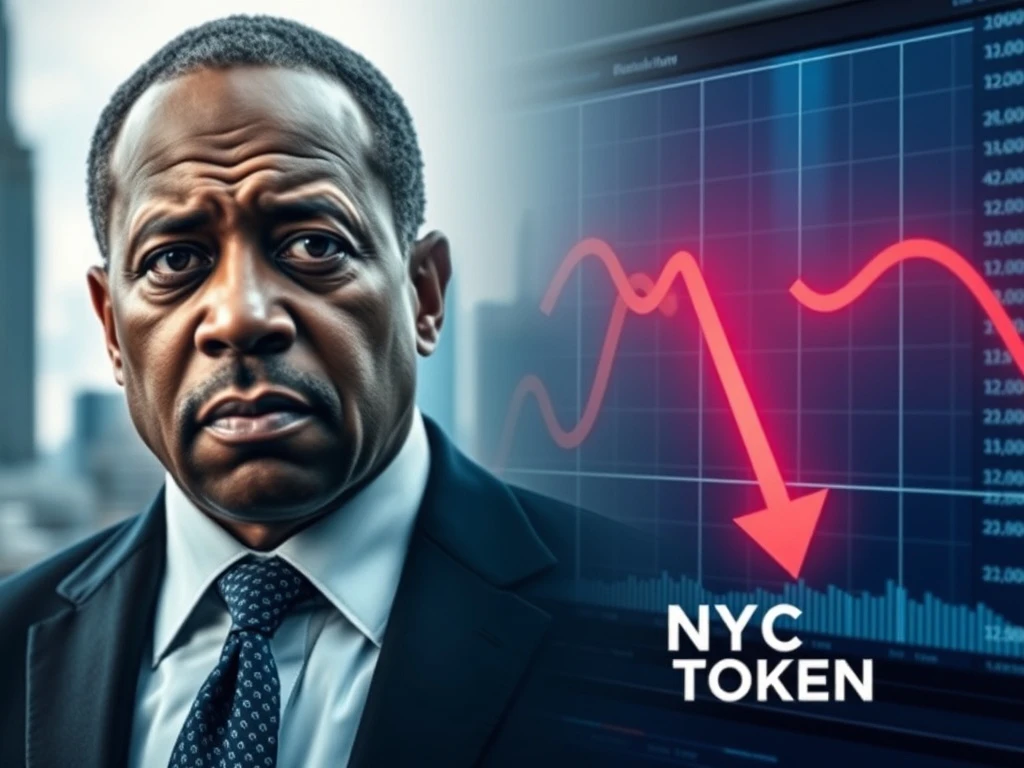
In a dramatic turn of events that has rocked the intersection of politics and cryptocurrency, former New York City Mayor Eric Adams has vehemently denied accusations of moving funds from the newly launched NYC Token, which plummeted over 80% in its first hour. The controversy, unfolding in New York this week, highlights the persistent volatility and regulatory grey areas surrounding celebrity and politically-adjacent digital asset launches.
Eric Adams NYC Token Faces Immediate Market Collapse
The Solana-based NYC Token launched on Monday with significant anticipation, partly due to its association with the former mayor’s stated philanthropic goals. However, within the first 60 minutes of trading, the token’s value experienced a catastrophic drop, falling from approximately $0.475 to around $0.133. Consequently, this rapid devaluation erased hundreds of millions in paper market capitalization and immediately sparked allegations of foul play within crypto analyst circles on social media platforms like X.
Also read: Bitcoin Mining Difficulty Plummets: Network Data Signals 14% Downward Adjustment
Analysts tracking the blockchain data alleged that the development team behind the token executed what is commonly known as a “rug pull.” This deceptive practice involves developers removing liquidity from a token’s trading pool, effectively making it impossible for investors to sell their holdings and causing the price to crash. Initial estimates suggested investors may have lost access to over $3.4 million in liquidity.
Official Denial and Conflicting Explanations Emerge
By Wednesday, Todd Shapiro, a spokesperson for Eric Adams, issued a firm public statement to refute the growing scandal. “To be absolutely clear: Eric Adams did not move investor funds. Eric Adams did not profit from the launch of the NYC Token. No funds were removed from the NYC Token,” Shapiro asserted. He characterized the accusations as “false and unsupported by evidence” and attributed the price collapse solely to extreme “market volatility.”
Also read: BlockDAG's Stunning 79,900% Surge Targets $1 as Litecoin and Dogecoin Struggle
Nevertheless, Shapiro’s definitive claim appears to conflict with earlier communications from the official NYC Token X account. That account stated the team had “rebalanced the liquidity” in response to high demand at launch and had subsequently added more funds to the pool. This discrepancy between “no funds removed” and “rebalanced liquidity” has become a central point of contention for skeptical observers.
Philanthropic Goals Amidst a Storm of Controversy
Prior to the launch, Adams framed the NYC Token as a vehicle for social good. In an interview with FOX Business, he explained that proceeds were intended to fund non-profits focused on combating antisemitism and anti-Americanism through education. Additionally, he stated the project would support scholarships for students in underserved NYC communities. Despite the token’s failure, Shapiro maintains Adams is still committed to these causes through “responsible innovation.”
Key Points of Contention:
- Price Action: An 80% drop within one hour of launch.
- Core Accusation: Analysts claim liquidity was removed, trapping investors.
- Official Stance: Adams’ team denies any fund movement or personal profit.
- Narrative Conflict: “No funds removed” vs. “rebalanced liquidity” statements.
The Broader Context of Celebrity and Political Tokens
This incident is not isolated. The cryptocurrency market has repeatedly seen high-profile figures attached to token projects that end in significant losses for retail investors. Regulatory bodies like the U.S. Securities and Exchange Commission (SEC) have increasingly scrutinized such offerings, often classifying them as unregistered securities. The rapid collapse of the NYC Token serves as a case study in the risks involved when speculative crypto assets are tied to influential public personalities.
Market data from DEXScreener shows the token has shown minimal price movement since its initial crash, trading flat around $0.133. This stagnation indicates a total loss of trader confidence and liquidity. The event has also reignited debates about the need for clearer disclosure requirements and accountability mechanisms for projects endorsed by public officials, even informally.
Analyzing the Market and Regulatory Impact
The fallout from the NYC Token launch occurs within a specific regulatory climate. While Mayor Adams was known for a relatively crypto-friendly stance during his tenure, promoting NYC as a digital asset hub, this controversy demonstrates the potential reputational and financial dangers. Experts in crypto governance suggest that without transparent, verifiable on-chain proof of locked liquidity and clear, legally-binding vesting schedules for developers, such tokens will continue to attract scams.
Furthermore, the situation underscores the importance of the “Helpful Content” and “E-E-A-T” (Experience, Expertise, Authoritativeness, Trustworthiness) frameworks that search engines now prioritize. For readers seeking information, authoritative reporting that provides context, verifiable facts, and historical parallels—like the history of failed celebrity tokens—is essential for handling complex financial news.
Conclusion
The story of the Eric Adams NYC Token is a multifaceted saga involving sudden market collapse, strong denials, and conflicting narratives. While Adams’ spokesperson has categorically denied any wrongdoing, attributing the loss to market forces, the severe price drop and subsequent analyst accusations have left investors wary. This event powerfully illustrates the inherent volatility and regulatory challenges within the cryptocurrency token space, especially when intertwined with political figures. The market now watches to see if any formal regulatory inquiry follows and what long-term impact this has on similar high-profile crypto initiatives.
FAQs
Q1: What is the NYC Token and who is associated with it?
The NYC Token is a cryptocurrency token launched on the Solana blockchain. While not officially launched by him, it was promoted as supporting philanthropic initiatives championed by former New York City Mayor Eric Adams, leading to its public association with him.
Q2: What exactly is a “rug pull” accusation in crypto?
A “rug pull” is a malicious maneuver where developers abandon a project and remove all the liquidity from the trading pools, causing the token’s value to crash to zero and leaving investors unable to sell their holdings. It is a common type of scam in the decentralized finance (DeFi) space.
Q3: What has Eric Adams said about the NYC Token crash?
Through his spokesperson, Todd Shapiro, Eric Adams has denied all accusations of moving funds or profiting from the token. The official statement claims Adams did not remove any investor funds and blames the 80% price drop on normal market volatility.
Q4: Are there conflicting statements about what happened to the token’s liquidity?
Yes. While Adams’ spokesperson stated “no funds were removed,” the official NYC Token X account posted about “rebalancing the liquidity” after launch. This difference in terminology has fueled further skepticism and investigation.
Q5: What was the stated purpose of the NYC Token according to Eric Adams?
Adams stated that proceeds from the token were intended to fund educational programs fighting antisemitism and anti-Americanism, as well as to provide scholarships for underserved students in New York City communities.

This article was produced with AI assistance and reviewed by our editorial team for accuracy and quality.