Dogecoin RSI Hits Historic Bottom Zone: Can the Meme Coin Recover?
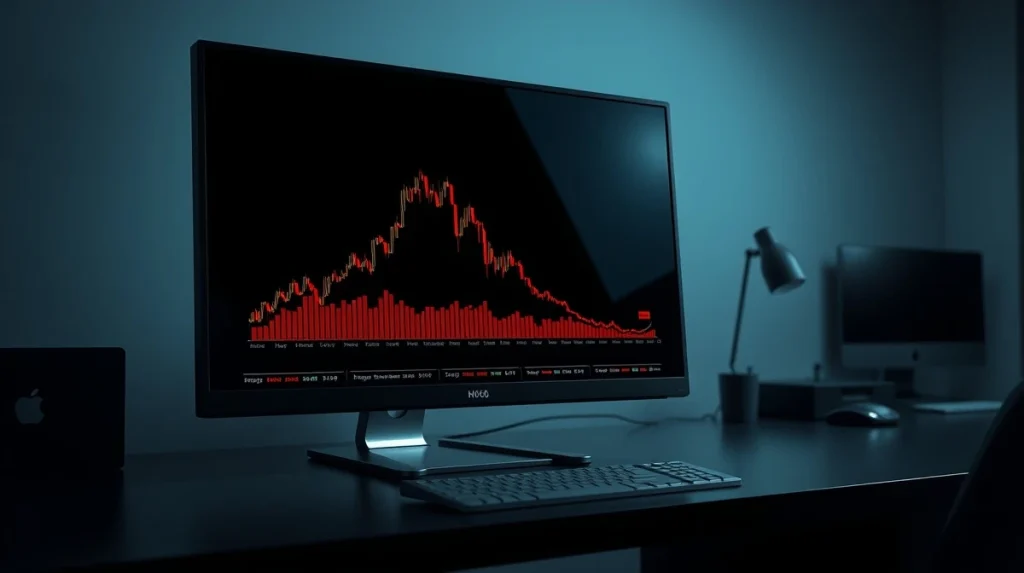
Dogecoin’s monthly Relative Strength Index has entered a zone that has historically preceded major price moves. As of April 12, 2026, with DOGE trading around $0.0911, chart analysts are watching this signal closely. This technical event raises a critical question for investors: is this a warning sign or a potential setup for a rebound?
Understanding the RSI Bottom Zone Signal
The Relative Strength Index (RSI) is a momentum oscillator. It measures the speed and change of price movements on a scale from 0 to 100. Readings below 30 typically suggest an asset is oversold. Dogecoin’s monthly RSI has now touched what market technicians call a “historic bottom zone.” This area is not defined by a single number but by a confluence of low readings seen only a handful of times in the asset’s history.
Also read: EU Crypto Regulation: ECB Backs Sweeping Plan for Centralized ESMA Oversight
According to crypto technical analyst TATrader_Alan, this specific RSI level on the monthly chart has been a reliable contrary indicator for DOGE in the past. “When the monthly RSI reaches these depths, it often indicates that selling pressure has been exhausted,” the analyst noted in a recent market update. Data from TradingView charts supports this observation, showing similar RSI levels coinciding with major lows in 2019 and 2022.
Dogecoin’s Price Context and Historical Precedents
The current price of $0.0911 places Dogecoin significantly below its all-time high of nearly $0.74, set in May 2021. This prolonged downtrend has been a feature of the broader crypto market. However, Dogecoin’s history is marked by explosive rallies. The chart below compares key RSI bottom events with subsequent price performance over a 12-month period.
Also read: XRP Price Holds at $1.33 as Traders Eye $1.42 Breakout and Congressional Clarity Act
Historical RSI Bottom Events & Subsequent Performance
- January 2019: Monthly RSI ~25. DOGE price: ~$0.002. One year later: ~$0.003 (up 50%).
- June 2022: Monthly RSI ~28. DOGE price: ~$0.055. One year later: ~$0.082 (up ~49%).
- April 2026 (Current): Monthly RSI in historic bottom zone. DOGE price: $0.0911.
This pattern does not guarantee future results. Yet, it provides a data-driven framework for understanding potential market cycles. The current signal is more pronounced than the 2022 event, according to several analysts.
The Role of Broader Market Sentiment
Technical signals do not exist in a vacuum. Dogecoin’s fate is still tied to Bitcoin’s performance and overall crypto market sentiment. Data from CoinMarketCap shows a strong correlation between DOGE and BTC price movements, typically above 0.85. Therefore, a sustained recovery in Bitcoin would likely be a necessary condition for a significant Dogecoin rally.
Market sentiment, as measured by tools like the Crypto Fear & Greed Index, has also been depressed. This often aligns with oversold technical readings. Industry watchers note that when fear is extreme and technicals are oversold, it can sometimes set the stage for a reversal. The implication is that the current setup combines both technical and sentiment-based indicators of a potential low.
What This Means for Investors and Traders
For long-term holders, an oversold monthly RSI can signal a period to accumulate assets at lower prices, a strategy often called “dollar-cost averaging.” The risk, however, remains substantial. Crypto assets are volatile, and an oversold condition can persist or lead to further declines if market fundamentals deteriorate.
For active traders, this signal might suggest watching for confirmation on shorter timeframes. A common strategy involves waiting for the monthly RSI to curl upward and cross above a key level, like 30, before considering it a confirmed bullish shift. Short-term price action around the $0.09 level will be critical. A breakdown below this support could invalidate the bullish thesis from the RSI reading alone.
What this means for investors is a mixed picture. The historic signal is clear, but external factors like regulatory news, Bitcoin’s trend, and macroeconomic conditions will dictate the next major move.
Comparing Dogecoin to Other Meme Coins
Dogecoin is not alone in showing oversold signals. Analysis of other major meme coins like Shiba Inu (SHIB) shows similar patterns of extended downtrends. However, Dogecoin’s RSI signal on the monthly chart appears more extreme. This could suggest DOGE is leading the meme coin sector into an oversold state, or that it has borne more selling pressure than its peers.
The difference may lie in Dogecoin’s first-mover advantage and broader recognition. It often acts as a benchmark for the meme coin category. A recovery in DOGE could therefore lift sentiment across the entire niche. Conversely, continued weakness might keep a lid on speculative appetite for similar assets.
Conclusion
Dogecoin’s monthly RSI hitting a historic bottom zone is a significant technical event. It highlights a state of extreme oversold conditions not seen since previous market cycles. Historical data shows such periods have sometimes preceded substantial recoveries. However, this signal is not a timing tool nor a guarantee. The $0.0911 price level now acts as a key battleground. Traders will watch for confirmation, while long-term investors may see this as part of a high-risk accumulation phase. The path forward for DOGE will ultimately depend on a combination of confirming technical action, Bitcoin’s direction, and broader crypto market sentiment.
FAQs
Q1: What does it mean when an RSI hits a “bottom zone”?
It means the momentum indicator has fallen to levels historically associated with the asset being oversold. This often occurs after a prolonged price decline and can signal that selling pressure may be weakening.
Q2: Has Dogecoin been this oversold before?
Yes. Similar monthly RSI readings occurred in early 2019 and mid-2022. Both instances were followed by price increases over the subsequent year, though past performance does not predict future results.
Q3: Does a low RSI guarantee the price will go up?
No. An RSI can remain in oversold territory for extended periods, especially in a strong bear market. It is a signal of condition, not a direct prediction of imminent price reversal.
Q4: How does Bitcoin’s price affect this Dogecoin signal?
Dogecoin has a high correlation with Bitcoin. A positive shift in Bitcoin’s trend would likely be needed for Dogecoin to sustain any major recovery, even with its own oversold RSI.
Q5: What should a trader look for next after this RSI signal?
Traders often look for price action confirmation, such as a breakout above a nearby resistance level or a bullish reversal pattern on the daily chart. They also watch for the RSI line itself to start turning upward.

This article was produced with AI assistance and reviewed by our editorial team for accuracy and quality.