Dogecoin ETF Inflows Stagnate at Zero as Taurox AI Agents Strategically Boost Staker Profits
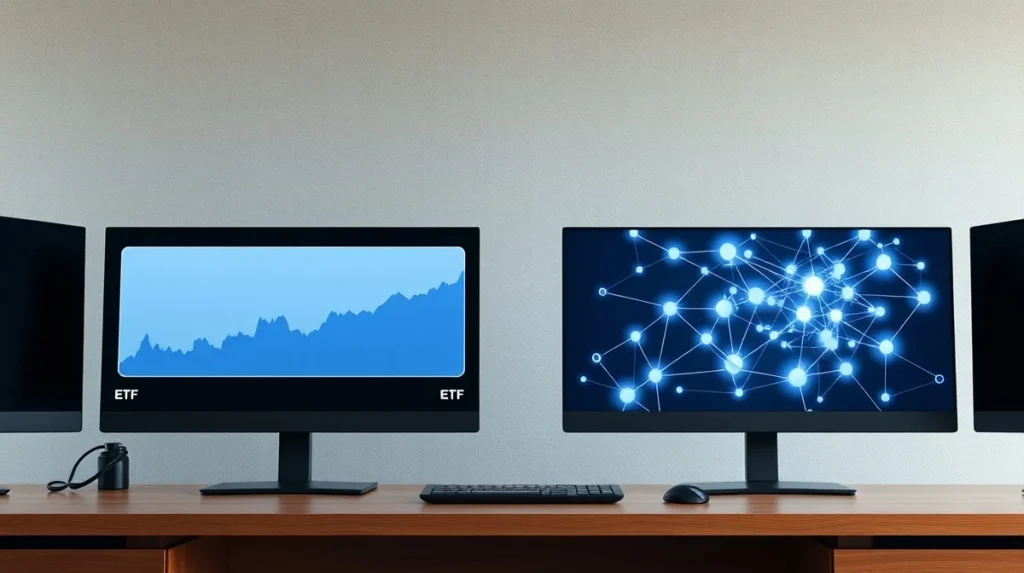
Three spot exchange-traded funds for Dogecoin have collectively drawn zero daily investor inflows for ten consecutive days, marking a stark contrast to the explosive growth often associated with meme-based digital assets. Meanwhile, the Taurox platform’s artificial intelligence agents are demonstrating a different approach to cryptocurrency value extraction, focusing on maximizing returns for existing token stakers ahead of anticipated market movements.
Dogecoin ETFs Face Unexpected Investor Apathy
The launch of Dogecoin-based ETFs represented a significant milestone for the cryptocurrency sector. 21Shares celebrated the introduction of TDOG, the first meme coin ETF with a foundation endorsement, by ringing the NASDAQ bell in March. This event followed earlier launches by established firms Grayscale and Bitwise. Despite this fanfare, the combined total net assets for all three funds currently stand at approximately $9.27 million, with cumulative inflows reaching only $7.45 million. Since March 3, 2026, daily inflow figures have consistently registered at zero. This trend highlights a potential disconnect between product availability and sustained investor demand for meme coin exposure through traditional financial vehicles.
Also read: M Series ANC Token Presale Launches with Detailed Vesting
Analyzing the Meme Coin Investment Arena
The performance of Dogecoin ETFs diverges sharply from other cryptocurrency fund trends. For instance, Solana spot ETFs have attracted over $1.45 billion since their October 2025 debut. This discrepancy underscores a broader market conversation about asset maturity and investor strategy. Analysts point to several factors influencing these flows. The inherent volatility of meme coins, often driven by social sentiment rather than fundamental utility, may give institutional and retail investors pause when considering a long-term ETF holding. Furthermore, the direct ownership of Dogecoin on exchanges offers immediate utility and transferability that an ETF share cannot replicate.
Context from Market Observers
Market observers note that ETF success often depends on clear use cases and growth narratives. While Solana promotes technological upgrades like the Alpenglow consensus overhaul to improve speed, Dogecoin’s value proposition remains heavily tied to brand recognition and community support. This distinction appears to be reflected in capital allocation decisions. The zero-inflow streak for Dogecoin ETFs suggests that, for now, the market views these funds as a novelty rather than a core portfolio component. This reality presents a challenge for fund issuers who must now work to educate investors on the potential role of such assets within a diversified strategy.
Also read: Pepeto Presale Attracts Investor Interest Amid Meme Coin Rally
Taurox AI’s Alternative Approach to Crypto Value
In contrast to the passive ETF model, the Taurox platform employs autonomous AI agents designed to actively manage and optimize staking operations for token holders. This technology focuses on generating yield from existing cryptocurrency holdings rather than relying on new capital inflows. The AI systems analyze network conditions, reward rates, and transaction fee markets across multiple blockchains in real-time. They then execute staking, re-staking, or delegation strategies aimed at maximizing annual percentage yield for users. This model appeals to investors seeking active return on their digital assets without engaging in direct, high-frequency trading.
The core value proposition lies in automation and data-driven decision-making. By continuously monitoring the blockchain ecosystem, these AI agents can identify optimal staking windows, switch validation providers for better rewards, and compound earnings more efficiently than manual processes. This approach taps into the fundamental “work” protocols of proof-of-stake and related consensus mechanisms, turning idle holdings into productive assets. The strategy is particularly relevant in a market where price appreciation is uncertain, but network participation continues to offer reliable reward streams.
The Mechanics of AI-Driven Staking
AI staking agents operate by interfacing with smart contracts and validator nodes. Their algorithms prioritize several key parameters:
- Reward Optimization: Calculating the most profitable staking pools based on current rates and projected changes.
- Risk Mitigation: Assessing validator reliability and network security to avoid slashing penalties.
- Liquidity Management: Balancing locked staking periods with the need for asset liquidity.
- Cost Efficiency: Minimizing transaction gas fees associated with staking operations.
This automated, strategic layer adds a sophisticated tool for cryptocurrency holders, especially those with substantial portfolios who benefit from incremental yield improvements. The technology represents a shift from speculative trading toward infrastructure-based revenue generation within the digital asset space.
Comparative Market Dynamics and Future Implications
The simultaneous occurrence of stagnant ETF inflows and advancing staking technology illustrates two divergent paths for cryptocurrency market development. The ETF model seeks legitimacy and access through traditional finance gateways, appealing to investors who prefer regulated, custodial products. The AI staking model enhances the utility of native blockchain participation, appealing to technically adept holders who prioritize network involvement and algorithmic efficiency.
This dichotomy may influence future product development. Financial institutions might explore hybrid models that combine the regulatory structure of ETFs with the yield-generating strategies of automated staking. Alternatively, the market could see further specialization, with different services catering to distinct investor profiles: passive holders versus active network participants. The ongoing performance of both Dogecoin ETFs and platforms like Taurox will provide critical data on which approach garners sustainable, long-term engagement in an increasingly competitive digital asset space.
Conclusion
The current zero-inflow status of Dogecoin ETFs reveals the challenges of translating meme coin popularity into traditional investment product success. While these funds provide access, they have not yet sparked sustained capital movement. Concurrently, AI-driven platforms like Taurox are advancing a more technically engaged model for cryptocurrency profit, focusing on optimizing the inherent yield mechanisms of blockchain networks. Together, these developments highlight the crypto market’s ongoing evolution, where innovation occurs both in financial product creation and in the automated tools that maximize the utility of the underlying digital assets. The path forward will likely involve lessons from both approaches as the industry matures.
FAQs
Q1: What does zero inflows mean for a Dogecoin ETF?
Zero inflows indicate that no new net investor capital entered the fund on a given day. Existing shareholders did not add money, and any new purchases were offset by equal redemptions. This suggests stagnant or neutral current demand for the product.
Q2: How do AI staking agents actually increase profits?
AI agents use algorithms to continuously scan multiple blockchain networks for the most favorable staking conditions. They automatically move assets to validators with the highest rewards and lowest risk, compound earnings efficiently, and minimize fees, actions that are difficult to perform manually at scale.
Q3: Why would someone choose a Dogecoin ETF over buying DOGE directly?
An ETF offers exposure within a traditional brokerage account, providing regulatory oversight, potential tax documentation advantages, and custodial security. It eliminates the need for a private crypto wallet and may appeal to investors uncomfortable with direct blockchain management.
Q4: Is the AI staking model only for Taurox’s native token?
While details vary by platform, sophisticated AI staking agents are typically designed to work with multiple proof-of-stake cryptocurrencies. Their value lies in cross-chain optimization, not just servicing a single network’s token.
Q5: Could the performance of Dogecoin ETFs improve?
Yes. ETF flows are dynamic and can change with market sentiment, broader crypto adoption, or if Dogecoin itself develops stronger fundamental use cases beyond its meme status. Marketing, investor education, and favorable regulatory developments could also influence future inflows.

This article was produced with AI assistance and reviewed by our editorial team for accuracy and quality.