Diesel Electric Bikes Launches Revolutionary RS-1 and RX-1 Performance E-Bikes
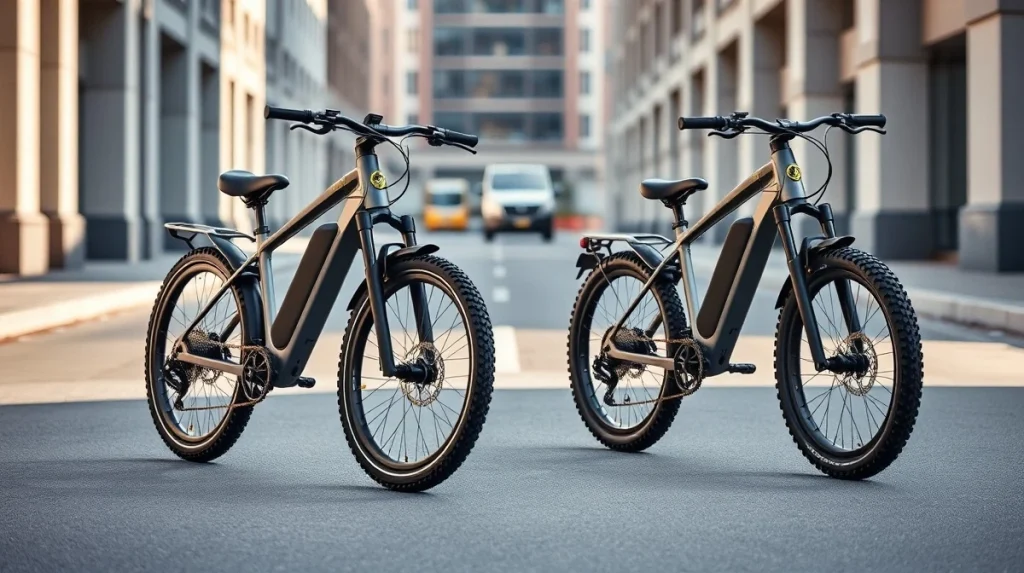
Diesel Electric Bikes has officially launched two new high-performance electric bicycle models, the RS-1 and RX-1, expanding its lineup of premium e-bikes designed for both urban commuting and off-road adventures. The California-based company announced the new models on March 18, 2026, marking a significant expansion in the performance e-bike segment that continues to grow rapidly across North America and Europe.
Diesel Electric Bikes Expands Performance E-Bike Lineup
The electric bicycle market has experienced substantial growth since 2020, with global e-bike sales increasing by approximately 240% over the past five years according to industry reports. Diesel Electric Bikes enters this competitive space with two distinct models targeting different riding preferences. The RS-1 represents a sleek urban commuter design, while the RX-1 offers more aggressive off-road capabilities. Both models feature the company’s proprietary electric drive systems and battery technology developed over three years of research and testing.
Also read: M Series ANC Token Presale Launches with Detailed Vesting
Industry analysts note that the performance e-bike segment has become increasingly competitive, with numerous manufacturers introducing models with higher power outputs and extended range capabilities. The global e-bike market was valued at approximately $37.5 billion in 2025 and continues to expand at a compound annual growth rate of around 10%. This growth reflects changing transportation preferences, environmental concerns, and improvements in battery technology that have extended typical e-bike ranges from 20-30 miles to 40-80 miles per charge.
Technical Specifications and Design Features
The RS-1 urban performance e-bike features a lightweight aluminum frame with integrated cable routing and a streamlined design optimized for city commuting. Its electric assist system provides up to 500 watts of power with five levels of pedal assistance, reaching speeds up to 28 miles per hour where local regulations permit. The bike includes a removable 750 watt-hour battery that offers an estimated range of 45-60 miles depending on riding conditions and assist level usage.
Also read: Pepeto Presale Attracts Investor Interest Amid Meme Coin Rally
Conversely, the RX-1 model targets off-road enthusiasts with its full-suspension design, knobby tires, and more powerful 750-watt motor. This model includes enhanced torque for hill climbing and technical terrain, along with a larger 900 watt-hour battery providing extended range for trail riding. Both models incorporate hydraulic disc brakes, integrated lighting systems, and digital displays showing speed, battery level, and assist mode.
Market Context and Competitive Positioning
The launch occurs during a period of significant innovation in the e-bike industry, where manufacturers continually improve battery efficiency, motor performance, and overall reliability. Diesel Electric Bikes positions its new models in the mid-to-high price segment, competing with established brands that have dominated the performance e-bike market in recent years. The company emphasizes its focus on durable construction and serviceable components, addressing common consumer concerns about e-bike maintenance and longevity.
Transportation experts note that e-bikes have become increasingly important for urban mobility, particularly as cities expand bicycle infrastructure and implement policies to reduce automotive congestion. Many metropolitan areas have reported substantial increases in e-bike usage for daily commuting since 2023, with some cities experiencing growth rates exceeding 30% annually. This trend aligns with broader efforts to reduce transportation emissions and promote sustainable mobility options.
Industry Challenges and Supply Chain Considerations
The e-bike industry faces ongoing challenges related to component availability and manufacturing costs. Like many electronics manufacturers, e-bike companies must work through complex global supply chains for batteries, motors, and electronic components. Recent fluctuations in raw material prices, particularly for lithium used in batteries, have impacted production costs across the industry. However, improvements in battery technology and manufacturing efficiency have helped moderate retail price increases despite these supply chain pressures.
Safety standards and regulatory compliance represent additional considerations for e-bike manufacturers. Different jurisdictions maintain varying regulations regarding e-bike classification, speed limits, and power output. Responsible manufacturers must ensure their products comply with relevant safety standards while providing clear guidance to consumers about legal requirements in their specific locations.
Consumer Adoption and Usage Patterns
Market research indicates several key factors driving e-bike adoption among consumers. These include:
- Commuting convenience and reduced transportation costs
- Health benefits from assisted exercise
- Environmental considerations and reduced carbon footprint
- Parking accessibility in urban areas
- Expansion of bicycle infrastructure in cities
Performance e-bikes like the RS-1 and RX-1 models appeal particularly to consumers seeking both transportation utility and recreational capabilities. The dual-purpose nature of these bicycles allows owners to use them for daily commuting while maintaining off-road capabilities for weekend adventures. This versatility has become increasingly important as consumers seek multi-functional products that justify higher price points.
Conclusion
Diesel Electric Bikes’ launch of the RS-1 and RX-1 performance e-bikes represents another significant development in the rapidly evolving electric bicycle market. As urban transportation patterns continue shifting toward sustainable options and outdoor recreation remains popular, performance e-bikes offer compelling solutions for diverse rider needs. The success of these new models will depend on their real-world performance, reliability, and value proposition within an increasingly competitive marketplace. The ongoing expansion of e-bike infrastructure and supportive policies in many regions suggests continued growth opportunities for manufacturers offering well-designed, capable electric bicycles.
FAQs
Q1: What distinguishes performance e-bikes from standard electric bicycles?
Performance e-bikes typically feature more powerful motors, higher-quality components, and specialized designs for specific riding conditions. They often include advanced suspension systems, larger batteries, and higher maximum speeds compared to basic commuter e-bikes.
Q2: How far can the Diesel Electric Bikes RS-1 travel on a single charge?
The RS-1 offers an estimated range of 45-60 miles per charge depending on factors including rider weight, terrain, assist level usage, and weather conditions. The removable 750 watt-hour battery powers both the motor and integrated lighting system.
Q3: Are performance e-bikes legal on public roads and trails?
Regulations vary by jurisdiction. Most areas classify e-bikes based on maximum speed and power output, with different rules for road versus trail use. Riders should consult local regulations regarding e-bike classification, required safety equipment, and permitted riding locations.
Q4: What maintenance do performance e-bikes require compared to traditional bicycles?
Performance e-bikes require standard bicycle maintenance for mechanical components plus additional care for electrical systems. Regular checks should include battery health, motor function, electrical connections, and display operation, along with traditional maintenance of brakes, tires, and drivetrain components.
Q5: How has e-bike technology improved in recent years?
Significant improvements include increased battery energy density, more efficient motor designs, better integration of electronic components, and enhanced durability. Modern e-bikes typically offer longer ranges, faster charging, and more reliable performance than models available just three to five years ago.

This article was produced with AI assistance and reviewed by our editorial team for accuracy and quality.