DeFi Discord Phishing Nightmare Drives Major Protocols to Abandon Platform
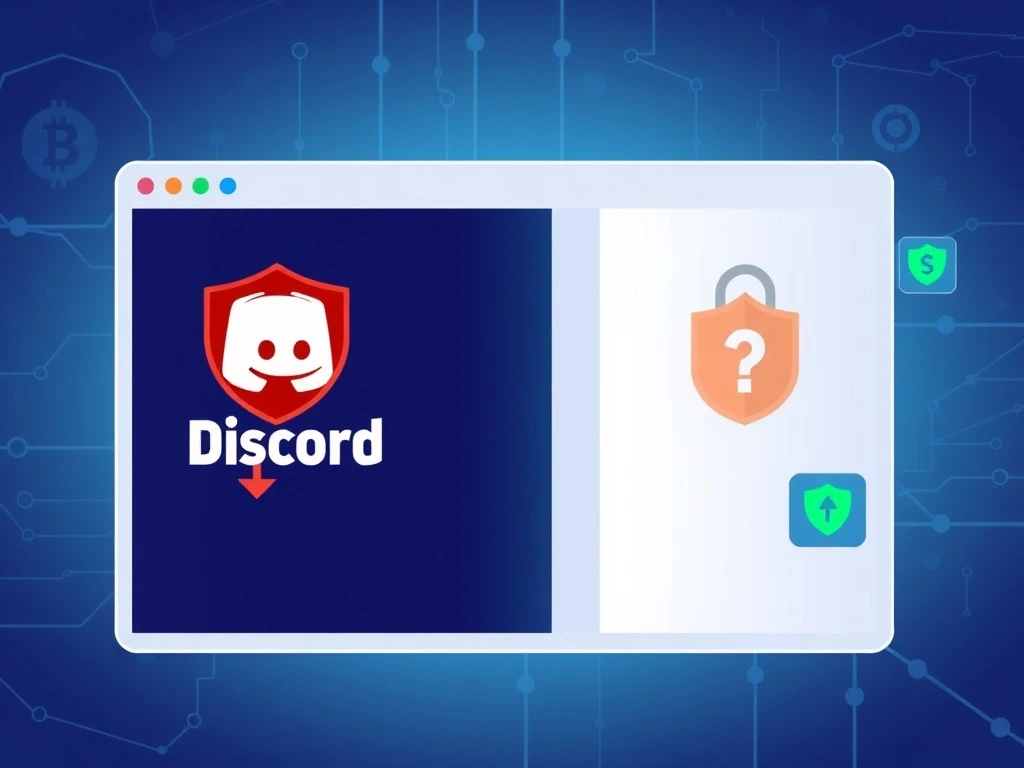
In a dramatic security shift shaking the cryptocurrency world, decentralized finance protocols are abandoning Discord en masse as phishing concerns reach critical levels, forcing major projects like MORPHO and DefiLlama to suspend their official channels and seek safer alternatives for community communication.
DeFi Discord Phishing Crisis Reaches Tipping Point
The decentralized finance community faces a communication crisis as phishing attacks on Discord channels escalate dramatically. According to recent reports from Crypto News Insights, multiple prominent DeFi protocols have taken decisive action against the platform’s security vulnerabilities. MORPHO, a leading DeFi lending protocol, recently switched its official Discord channel to read-only mode, explicitly citing the platform’s role as a breeding ground for phishing schemes. Similarly, DeFi data platform DefiLlama is significantly reducing its channel activity in a strategic move away from Discord’s compromised environment.
This security exodus represents a fundamental shift in how blockchain projects approach community engagement. Discord has served as the primary communication hub for cryptocurrency communities since 2020, hosting thousands of official channels for projects ranging from small startups to billion-dollar protocols. However, the platform’s persistent failure to address sophisticated phishing attacks has created what security experts describe as an unsustainable risk environment for both projects and their users.
The Anatomy of Discord Phishing Attacks
Discord phishing schemes targeting cryptocurrency communities follow sophisticated patterns that exploit the platform’s architecture and user behavior. Attackers typically employ several distinct methods that have evolved significantly since 2023. First, compromised moderator accounts enable attackers to post malicious links directly in official announcement channels. Second, fake support bots mimic legitimate project representatives to steal private keys. Third, coordinated spam campaigns flood channels with fraudulent giveaway announcements.
Also read: Bitcoin Treasury Companies Face New Pressure as US-Iran Tensions Shift
The technical sophistication of these attacks has increased substantially in recent months. Security researchers have documented phishing schemes that utilize:
- Webhook exploitation to send fraudulent messages from verified accounts
- Server template cloning to create convincing replica communities
- Bot token theft to gain administrative privileges
- Cross-platform coordination between Discord, Twitter, and Telegram
These attacks have resulted in substantial financial losses across the DeFi ecosystem. While exact figures remain challenging to verify due to underreporting, blockchain analytics firms estimate that Discord-related phishing schemes have drained at least $300 million from cryptocurrency users since 2023. The frequency of successful attacks has increased by approximately 40% year-over-year, according to cybersecurity firm Chainalysis.
Protocol Responses and Security Implications
DeFi protocols have developed varied responses to the Discord security crisis based on their risk assessments and community needs. MORPHO’s decision to switch to read-only mode represents a cautious approach that preserves historical communications while preventing new phishing vectors. The protocol’s security team explained their rationale in a detailed community update, noting that read-only channels maintain transparency while eliminating active attack surfaces.
DefiLlama has adopted a more gradual strategy, minimizing active engagement while exploring alternative platforms. Their approach reflects a broader industry trend toward platform diversification rather than complete abandonment. Several other protocols have implemented multi-layered security measures including:
| Security Measure | Implementation | Effectiveness |
|---|---|---|
| Two-factor authentication requirements | Mandatory for all moderators | High for preventing account compromises |
| Verification level adjustments | Increased to highest settings | Moderate against spam attacks |
| Bot permission restrictions | Limited to essential functions only | High for reducing attack vectors |
| Channel permission overhauls | Separate announcement and discussion channels | High for containing breaches |
Despite these measures, security experts argue that Discord’s fundamental architecture presents inherent vulnerabilities for cryptocurrency communities. The platform’s design prioritizes ease of communication over security verification, creating opportunities for sophisticated social engineering attacks. This structural limitation has prompted many protocols to reconsider their entire communication strategy rather than implementing additional security patches.
Historical Context and Platform Evolution
Discord’s relationship with the cryptocurrency community has evolved through distinct phases since its initial adoption around 2017. Originally designed for gaming communities, the platform gained popularity among crypto projects due to its robust voice chat capabilities, channel organization features, and bot integration possibilities. Between 2018 and 2021, Discord became the de facto standard for cryptocurrency community communication, hosting everything from casual discussions to critical governance debates.
The platform’s security challenges emerged gradually as cryptocurrency adoption increased. Early incidents involved simple impersonation attempts and basic phishing links. However, as cryptocurrency values soared and DeFi protocols gained mainstream attention, attackers developed increasingly sophisticated methods. The turning point occurred in 2022 when several high-profile breaches resulted in multimillion-dollar losses, prompting the first wave of security concerns.
Discord’s response to these security challenges has been criticized as inadequate by many in the cryptocurrency community. While the platform has implemented some security improvements, including enhanced verification systems and anti-spam measures, these updates have failed to keep pace with evolving attack methods. The platform’s business model, which relies on user growth and engagement, may conflict with the stringent security requirements of financial applications.
Alternative Platforms and Migration Challenges
As DeFi protocols reconsider their Discord presence, several alternative platforms have emerged as potential replacements. Each platform offers distinct advantages and limitations for cryptocurrency communities. Telegram remains popular for its encryption capabilities but lacks Discord’s organizational structure. Matrix protocol implementations like Element provide decentralized alternatives but face adoption challenges. Custom solutions using forum software offer complete control but require significant technical resources.
The migration process presents substantial challenges for established communities. Protocol teams must consider several critical factors when evaluating alternatives:
- User adoption barriers for community members accustomed to Discord
- Technical integration requirements for existing bots and tools
- Moderation scalability across different platform architectures
- Historical data preservation from existing Discord channels
- Cross-platform coordination with other communication channels
Several protocols have adopted hybrid approaches during their transition periods. These strategies maintain limited Discord presence for basic announcements while directing active discussions to more secure platforms. This gradual migration minimizes disruption while allowing communities to adapt to new communication patterns. However, security experts caution that partial solutions may still expose users to phishing risks through compromised announcement channels.
Industry-Wide Impact and Future Outlook
The movement away from Discord represents more than just a platform migration—it signals a fundamental shift in how cryptocurrency projects approach security and community management. The financial stakes in DeFi have elevated security requirements beyond what mainstream communication platforms typically provide. This mismatch between platform capabilities and industry needs has created what analysts describe as an inevitable separation between general-purpose communication tools and specialized financial community platforms.
The broader cryptocurrency industry faces several implications from this security-driven migration. First, communication fragmentation may increase as different protocols adopt varied platforms based on their specific security requirements. Second, specialized security solutions for community management will likely emerge as a significant market segment. Third, regulatory attention may increase as authorities recognize the systemic risks posed by insecure communication channels in financial applications.
Future developments will likely focus on creating purpose-built communication platforms for cryptocurrency communities. These specialized solutions may incorporate blockchain-based verification systems, integrated wallet security features, and automated phishing detection mechanisms. Several startups have already announced development of such platforms, though widespread adoption will require overcoming significant network effects that currently favor established options like Discord.
Conclusion
The DeFi Discord phishing crisis has reached a critical juncture, forcing major protocols to reconsider their fundamental approach to community communication. As security concerns drive platforms like MORPHO and DefiLlama away from Discord, the entire cryptocurrency industry faces important decisions about balancing accessibility with protection. This security-driven migration represents a maturation phase for DeFi, highlighting the sector’s growing recognition that financial applications require specialized communication solutions. The ongoing transition away from Discord due to phishing concerns will likely reshape how cryptocurrency communities interact for years to come, potentially leading to more secure and sustainable communication infrastructures across the blockchain ecosystem.
FAQs
Q1: Why are DeFi protocols specifically targeted on Discord?
DeFi protocols manage significant financial value through smart contracts, making their communities attractive targets. Discord’s architecture allows attackers to reach large numbers of potential victims through compromised announcement channels, and the platform’s gaming origins didn’t prioritize the security features needed for financial applications.
Q2: What security measures can Discord users take to protect themselves?
Users should enable two-factor authentication, verify all links independently, never share private keys or seed phrases, use hardware wallets for significant holdings, and treat all unsolicited messages with extreme skepticism. Additionally, users should bookmark official project websites rather than following links from chat platforms.
Q3: Are there any secure alternatives to Discord for crypto communities?
Several alternatives exist with different security approaches. Telegram offers encryption but lacks organization, Matrix protocol provides decentralization, and specialized platforms like Guild offer Web3 integration. Many projects are adopting hybrid approaches using multiple platforms based on specific communication needs.
Q4: How do phishing attacks actually work on Discord?
Attackers typically compromise moderator accounts or create convincing fake channels, then post malicious links that appear legitimate. These links lead to cloned websites that steal wallet information when users connect. Some attacks use fake support bots that directly message users requesting sensitive information.
Q5: What long-term impact will this migration have on the cryptocurrency industry?
The migration will likely accelerate development of specialized communication platforms with integrated security features. It may also increase regulatory scrutiny of community management practices and potentially fragment communication across different platforms based on security requirements and community preferences.

This article was produced with AI assistance and reviewed by our editorial team for accuracy and quality.