Breaking: Crypto Market Recovers $2.33T Amid Rising War Tensions
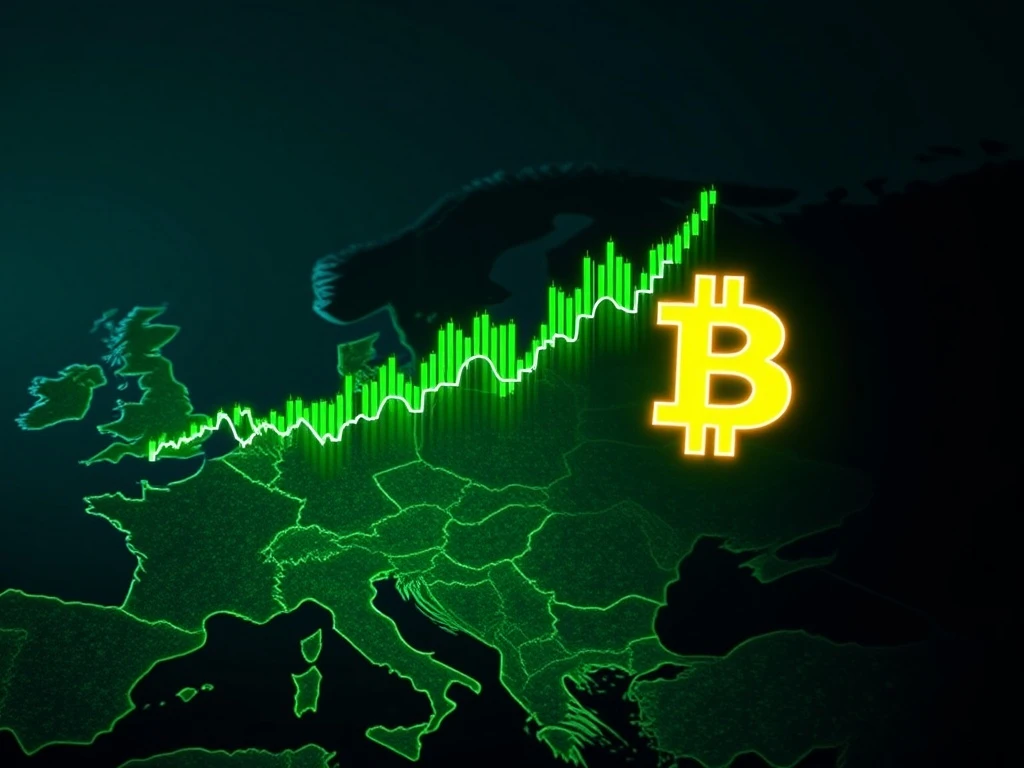
LONDON, March 21, 2026 — The global cryptocurrency market is staging a tentative recovery, with its total capitalization climbing to $2.33 trillion. This rebound occurs against a backdrop of escalating geopolitical tensions in Eastern Europe. Leading the charge, Bitcoin (BTC) reclaimed the $68,000 level, while Ethereum (ETH) pushed past $3,550. Concurrently, the total value locked (TVL) in decentralized finance (DeFi) protocols saw a notable increase, and aggregate trading volume across major exchanges surged by 36% in the last 24 hours. This crypto market recovery presents a complex narrative where digital assets are reacting to traditional risk factors in unexpected ways.
Crypto Market Sees Slight Recovery Amid Growing War-Led Tensions
Market data from CoinGecko and CoinMarketCap confirms the upward movement began in early European trading hours. Bitcoin’s price gained approximately 4.2%, and Ethereum rose 5.7%. This rally contrasts sharply with a 12% sell-off witnessed just three days prior, triggered by reports of renewed military mobilizations. “We’re observing a classic ‘buy the rumor, sell the news’ dynamic, but with a geopolitical twist,” noted Dr. Anya Petrova, Head of Macro Research at Digital Asset Analytics Firm Chainalysis. “Initial panic selling on conflict headlines is being met with buying from investors viewing crypto as a potential hedge against currency devaluation in affected regions.” On-chain data from Glassnode supports this, showing increased Bitcoin accumulation by wallets in neighboring countries.
The recovery is not broad-based. While major assets like BTC and ETH advanced, several mid-cap altcoins remained flat or declined. This selective buying indicates a flight to perceived quality and liquidity during uncertainty. The timeline is critical: the downturn started last Tuesday with diplomatic breakdowns, found a floor on Thursday, and the current rebound began this morning following statements from the G7 finance ministers. Market participants are clearly parsing every geopolitical development.
DeFi and Trading Volume Surge as Key Indicators
The recovery extends beyond spot prices into core blockchain activity metrics. According to DeFiLlama, the total value locked across all DeFi protocols jumped by $12 billion to reach $142 billion. This increase was concentrated in lending protocols like Aave and Compound, suggesting users are deploying capital to earn yield rather than holding static positions. Meanwhile, the 36% spike in trading volume, reported by The Block’s data dashboard, points to heightened market participation and volatility.
- Capital Rotation: Investors are moving funds from speculative altcoins into blue-chip cryptocurrencies and DeFi yield opportunities.
- Institutional Activity: CME Bitcoin futures open interest rose concurrently, indicating professional trader involvement.
- Geographic Flows: Data from Kaiko shows disproportionate volume increases on exchanges popular in Eastern Europe and Turkey.
Expert Analysis on Geopolitical Risk and Crypto Correlations
Dr. Marcus Thielen, Chief Strategist at crypto research firm 10x Research, provided context. “Historically, Bitcoin showed low correlation to traditional geopolitical events,” Thielen stated, referencing a 2024 IMF working paper. “However, since the 2025 integration of crypto into mainstream portfolios, its sensitivity has increased. It now behaves partly as a risk asset and partly as an alternative monetary network during crises.” This dual nature explains the volatile price action. An official from the European Central Bank, speaking on background, reiterated their stance that crypto assets remain highly volatile and are not safe havens, though they acknowledged their growing role in cross-border finance during disruptions.
Broader Context: Crypto in Times of Geopolitical Stress
This event is not isolated. A comparison to previous periods of tension reveals evolving patterns. During the 2022 conflict, Bitcoin’s price initially fell over 20% before recovering. In the 2024 South China Sea tensions, the reaction was more muted. The current episode suggests the market is developing a more nuanced, faster-responding playbook. The recovery’s strength also hinges on internal crypto factors like the upcoming Bitcoin halving and Ethereum’s ongoing protocol upgrades, which create underlying bullish pressure.
| Geopolitical Event | Initial BTC Reaction (1 Week) | Subsequent Recovery Time |
|---|---|---|
| 2022 Eastern Europe Conflict | -22% | ~90 days |
| 2024 South China Sea Tensions | -8% | ~14 days |
| 2026 Current Tensions (to date) | -12% | ~3 days (ongoing) |
What Happens Next: Monitoring Key Triggers
The sustainability of this recovery is fragile. Analysts point to several immediate triggers. First, any escalation in military action would likely trigger another sell-off. Second, statements from major governments regarding sanctions or capital controls will be scrutinized. Third, the health of the broader traditional financial market remains a spillover risk. “The key level to watch is Bitcoin holding above $65,000,” said Lena Kuo, a trader at Genesis Trading. “If that support fails, we could quickly retest the week’s lows. Conversely, a break above $70,000 would signal the recovery has real momentum.” Scheduled macro data, including US inflation figures next week, will also influence market sentiment.
Stakeholder Reactions: From Caution to Opportunism
Reactions across the crypto community are mixed. Venture capital firms like Andreessen Horowitz have advised portfolio companies to maintain high fiat reserves. Conversely, some decentralized autonomous organizations (DAOs) are voting on proposals to allocate treasury funds to buy the dip. On social media platform Warpcast, sentiment analysis shows a shift from ‘fear’ to ‘greed’ over the past 48 hours. This divide highlights the spectrum of perspectives, from cautious institutional players to opportunistic decentralized entities.
Conclusion
The crypto market recovery to a $2.33 trillion capitalization is a significant but precarious development. Driven by rebounds in Bitcoin and Ethereum, alongside surges in DeFi TVL and trading volume, the move demonstrates digital assets’ complex relationship with geopolitical risk. While some investors interpret crypto as a hedge, its price action remains vulnerable to headline shocks. The coming days will be critical. Market stability depends on both the external geopolitical landscape and internal support levels. Observers should monitor exchange flow data, regulatory statements, and, crucially, whether the recovery broadens beyond the two largest assets. This event underscores that in 2026, cryptocurrency markets are no longer isolated; they are deeply integrated into the global drama of risk and uncertainty.
Frequently Asked Questions
Q1: Why is the crypto market recovering during geopolitical tensions?
Some investors are buying cryptocurrencies as a potential hedge against currency devaluation or capital controls in regions affected by tension. Additionally, the initial panic selling created what traders saw as a buying opportunity, leading to a technical rebound.
Q2: How significant is the 36% surge in trading volume?
It is very significant. A volume surge of this magnitude confirms the price movement is backed by substantial capital flows and high trader interest, rather than being a shallow or manipulated move. It indicates a true shift in market participation.
Q3: What are the immediate next steps for the market?
The market will closely watch for any escalation or de-escalation in the geopolitical situation. Technically, analysts are watching for Bitcoin to hold support above $65,000. Key economic data releases, like US inflation reports, will also impact sentiment in the coming week.
Q4: Is my investment in DeFi protocols safe during this volatility?
DeFi investments carry unique risks during market volatility, including potential for smart contract exploits, liquidity crunches, and collateral liquidations if asset prices swing sharply. It’s crucial to understand the specific risks of each protocol.
Q5: How does this event compare to crypto’s reaction to past conflicts?
The market appears to be recovering faster than during the 2022 conflict but remains sensitive. This suggests participants are becoming more experienced at pricing in geopolitical risk, though reactions are still volatile and unpredictable.
Q6: How does this affect everyday cryptocurrency users?
Users may experience higher network transaction fees during periods of high trading volume. The value of holdings will be volatile. For those using crypto for remittances or payments in affected regions, network utility may increase even as price fluctuates.