Crypto Liquidations Surge Past $450M as Options Expiry and Oil Shock Fuel Market Panic
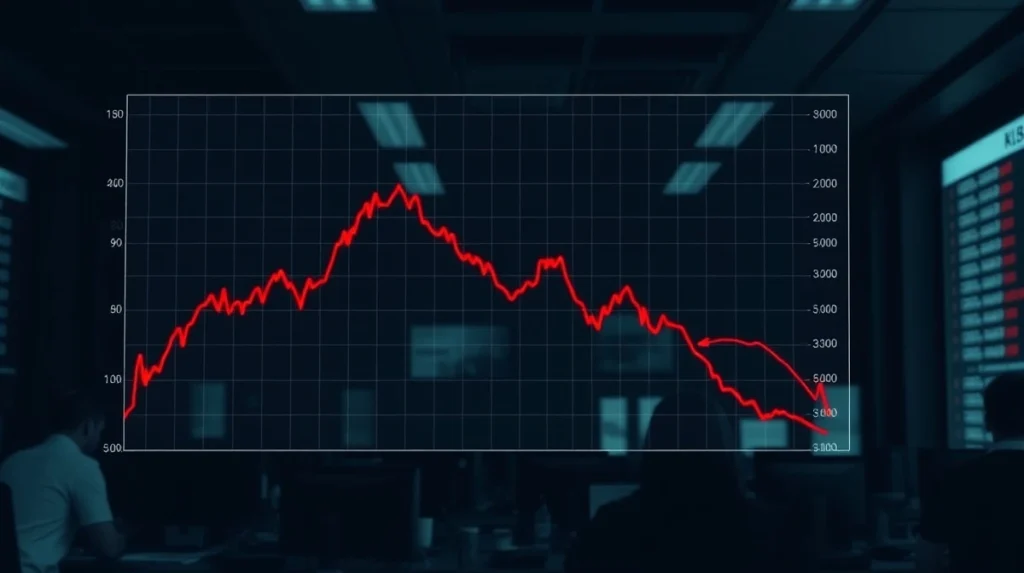
Digital asset markets faced a severe test on March 30, 2026, as a cascade of forced selling pushed total crypto liquidations past $450 million. Bitcoin, Ethereum, XRP, and Solana all slid in a synchronized downturn. This selloff was not an isolated crypto event. It resulted from a powerful convergence of factors: a massive quarterly options expiry, persistent outflows from U.S. spot Bitcoin ETFs, and a sharp spike in global oil prices that rattled traditional markets.
$450 Million in Liquidations Hit Trader Positions
Data from the crypto derivatives tracking platform Coinglass shows the scale of the damage. Over a 24-hour period ending March 30, 2026, more than 150,000 traders were liquidated. The total value erased exceeded $450 million. Long positions—bets that prices would rise—accounted for roughly 65% of the losses, totaling nearly $300 million. This indicates that optimistic traders were caught off guard.
Also read: Pendle Joins Wall Street Titans in Key Talks on Vietnam's Financial Hub Ambitions
Short sellers also faced pressure, losing over $150 million as volatile price swings turned against them. Bitcoin bore the brunt of the selling, with liquidations on BTC pairs alone surpassing $200 million. Ethereum followed with over $120 million in forced position closures. The scale suggests a broad-based deleveraging event across the market.
The Triple Threat: Options, ETFs, and Oil
Analysts point to a rare alignment of three distinct pressures. First, a significant quarterly options expiry occurred. These are contracts giving holders the right to buy or sell an asset at a set price by a specific date. As the expiry approached, traders holding these contracts engaged in heavy hedging activity to manage their risk.
Also read: Crypto ATM Network Declines: Early 2026 Growth Stalls as Removals Accelerate
This hedging often involves buying or selling the underlying asset. In a falling market, it can amplify downward momentum. “A large expiry forces market makers to adjust their hedges,” explained a report from derivatives data firm Greeks.live. “When prices fall through key levels, that adjustment can turn into aggressive selling to stay delta-neutral.”
ETF Outflows and Macro Stress Add Pressure
Second, the spot Bitcoin ETF market in the United States showed persistent weakness. According to provisional data from Farside Investors, these funds experienced net outflows for several consecutive days leading into the selloff. This removed a key source of institutional buying pressure that had supported prices earlier in the year.
Third, and perhaps most critically, a geopolitical flare-up triggered a sudden 8% surge in Brent crude oil prices. This reignited fears of persistent inflation and higher-for-longer interest rates from central banks. Risk assets globally sold off. The S&P 500 and Nasdaq futures fell in pre-market trading. Crypto, often treated as a high-risk asset, was not spared.
“Crypto is no longer an island,” said James Butterfill, Head of Research at digital asset manager CoinShares. “It’s increasingly correlated with macro sentiment. An oil shock that threatens to delay rate cuts is a clear negative for liquidity-sensitive assets like Bitcoin.”
Bitcoin Tests Critical Support Zone
Amid the turmoil, Bitcoin’s price action became the focal point. The asset plunged to test a significant support band between $60,000 and $62,000. This area had held firm during several selloffs over the previous two months. A sustained break below it, market technicians warned, could open the door to a deeper correction toward $55,000.
The selling pressure was evident in order book data. Major exchanges showed large clusters of sell orders stacked just below the market price, acting as resistance. The bid-side support, meanwhile, appeared thin. This order book structure made rapid downward moves more likely.
Altcoins Face Even Steeper Declines
While Bitcoin fell roughly 7% at the selloff’s peak, major alternative cryptocurrencies (altcoins) experienced more severe losses. This is typical in broad risk-off events, as investors flee to perceived relative safety.
- Ethereum (ETH): Dropped over 9%, underperforming Bitcoin.
- Solana (SOL): Fell more than 12%, showing high beta volatility.
- XRP: Declined approximately 8%, mirroring the broader trend.
The sharper declines in altcoins increased their liquidation ratios. For many leveraged traders, the swift moves triggered stop-loss orders automatically, adding fuel to the fire.
What This Means for the Market’s Structure
Beyond the immediate price drop, the event revealed vulnerabilities. The high level of utilize in the crypto derivatives market acts as an accelerant. It can turn a moderate correction into a violent liquidation cascade. Furthermore, the clear reaction to traditional market stress underscores crypto’s growing integration with global finance.
This integration is a double-edged sword. It can bring legitimacy and institutional capital. However, it also makes crypto susceptible to the same macroeconomic winds that buffet stocks and bonds. The days of crypto trading purely on its own internal narrative may be fading.
For investors, the implication is clear. Risk management is paramount. Understanding the timing of major derivatives events like options expiries is now part of the essential toolkit. So is monitoring macro indicators like oil prices and central bank policy expectations.
Conclusion
The $450 million crypto liquidation event of March 30, 2026, serves as a stark reminder of market fragility. It was driven by a confluence of crypto-specific mechanics and traditional macro shocks. The massive options expiry acted as the trigger, while ETF outflows and an oil price spike provided the tinder. As Bitcoin tests key support levels, the market’s next direction may hinge on whether macro conditions stabilize or worsen. One thing is certain: volatility remains the only constant.
FAQs
Q1: What are crypto liquidations?
In leveraged trading, traders borrow funds to amplify their position size. If the market moves against them and their collateral value falls below a maintenance threshold, the exchange automatically closes (liquidates) their position to prevent further loss. This forced selling can drive prices down further.
Q2: How does an options expiry affect crypto prices?
As options contracts approach their expiry date, the firms that sold them (market makers) must adjust their hedges. They often buy or sell the underlying asset (like Bitcoin) to remain market-neutral. Large-scale hedging activity around a major expiry can create significant buying or selling pressure, increasing volatility.
Q3: Why would an oil price shock hurt cryptocurrencies?
A sudden spike in oil prices can increase fears of renewed inflation. Central banks, like the U.S. Federal Reserve, may respond by keeping interest rates higher for longer to combat it. Higher rates reduce liquidity in the financial system and make risky assets like stocks and crypto less attractive to investors.
Q4: Did only Bitcoin get liquidated?
No. While Bitcoin saw the largest single amount, liquidations occurred across the market. Ethereum, Solana, XRP, and other major altcoins all experienced significant forced selling. Altcoins often see higher percentage losses in broad selloffs due to their lower liquidity and higher volatility.
Q5: What is the key support level Bitcoin is testing?
Throughout March 2026, Bitcoin found consistent buying interest in the $60,000 to $62,000 range. This area became a major technical and psychological support zone. A decisive and sustained break below it could signal a shift in market structure and lead to a deeper correction.

This article was produced with AI assistance and reviewed by our editorial team for accuracy and quality.