Crypto Market Flashes Critical Bullish Signal as ARB, OP, W Hit Key Support Levels
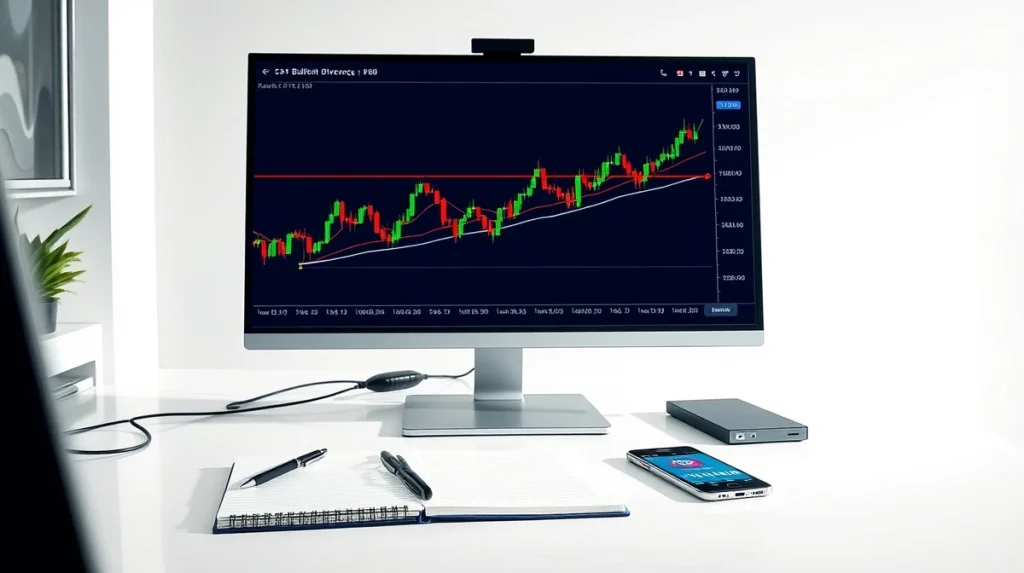
A rare technical signal is flashing across cryptocurrency charts this week. The total market capitalization for digital assets, excluding Bitcoin, shows a strengthening bullish divergence. This pattern emerges after weeks of sustained selling pressure. Analysts point to three specific tokens—Arbitrum (ARB), Optimism (OP), and W (W)—now trading in what technical traders identify as historical buy zones. Meanwhile, Bitcoin’s market dominance shows signs of weakening, a shift that often precedes capital rotation into alternative cryptocurrencies.
Understanding the Bullish Divergence Signal
In technical analysis, a bullish divergence occurs when the price of an asset makes a lower low, but a key momentum indicator, like the Relative Strength Index (RSI) or Moving Average Convergence Divergence (MACD), forms a higher low. This suggests selling pressure is exhausting even as prices decline. Data from TradingView charts shows this exact setup on the TOTAL3 chart, which tracks the combined market cap of all cryptocurrencies except Bitcoin and Ethereum.
Also read: Bitcoin Credit ETF Filing: Strive and Tuttle Target Steady Income in Bold New Strategy
The signal is considered notable because it appears across a broad market index, not just a single token. According to market data, the TOTAL3 chart recorded a lower price low in mid-March 2026 compared to its January low. However, the weekly RSI indicator did not confirm this new low, instead forming a higher reading. This classic divergence often precedes trend reversals.
“When you see this on a macro chart, it warrants attention,” said Michaël van de Poppe, founder of MN Trading, in a market update on March 30. “It indicates underlying strength is building while prices are being marked down. This is typically a precursor to a broader recovery.”
Also read: Midnight Blockchain Launches with $200M Backing, Promising Confidential Bridge for Real-World Assets
ARB, OP, and W Enter Defined Buy Zones
While the macro picture improves, specific assets are capturing trader focus. On-chain data and chart analysis point to three layer-2 and DeFi tokens approaching critical support levels.
Arbitrum (ARB): The token for the leading Ethereum layer-2 scaling solution has retreated to a key Fibonacci retracement level near $1.20. This zone acted as strong support throughout the fourth quarter of 2025. Network activity remains high, with daily transactions consistently over 2 million. This suggests fundamental usage persists despite price weakness.
Optimism (OP): OP has followed a similar path, finding buyers around the $2.50 mark. This level represents a 61.8% retracement from its 2025 high and aligns with a high-volume node from late 2024. The Optimism ecosystem continues to see steady growth in total value locked (TVL), which analysts view as a positive fundamental counterpoint to recent price action.
W (W): The native token of the Wormhole cross-chain protocol has been volatile but is now testing its all-time low area near $0.45. Token unlocks have weighed on price, but the protocol’s core messaging volume has shown resilience. Some traders view this retest of the lows as a potential washout event.
What this means for investors is a confluence of technical support levels aligning with a improving macro structure for altcoins. However, industry watchers note that these signals require confirmation, typically in the form of a strong bullish weekly candle closing above recent highs.
The Bitcoin Dominance Factor
A critical backdrop to this altcoin development is the behavior of Bitcoin. The Bitcoin Dominance (BTCD) chart, which measures Bitcoin’s share of the total crypto market cap, has stalled near 55% after a strong rally in early 2026. Data from CoinMarketCap shows BTCD facing resistance at this key level.
Historically, periods where Bitcoin dominance peaks and begins to roll over often coincide with capital flowing into alternative cryptocurrencies. This rotation can fuel significant rallies in tokens like ARB, OP, and W. The current bullish divergence on the TOTAL3 chart may be an early technical indication that this rotation is beginning.
“Watch the 54% level on BTCD,” advised a report from analytics firm Glassnode on March 28. “A sustained break below could accelerate the shift in capital allocation we are seeing early signs of.”
Market Context and Recent Performance
The potential shift comes after a challenging period for digital assets. The first quarter of 2026 saw a broad market pullback, driven by macroeconomic uncertainty and profit-taking following a strong end to 2025. The TOTAL3 index declined approximately 25% from its February peak.
This decline, however, lacked the panic or extreme fear seen in previous bear phases. The Crypto Fear & Greed Index, a popular sentiment gauge, hovered in “Fear” territory but never reached the “Extreme Fear” readings common at major market bottoms. This suggests the sell-off was more controlled and potentially corrective rather than the start of a new bear market.
Furthermore, derivatives data tells a nuanced story. While spot prices fell, funding rates in perpetual swap markets for major altcoins remained mostly neutral or slightly negative. This is important. It indicates that leveraged traders were not aggressively shorting the downturn, which often prevents violent squeeze-driven rallies. A neutral funding environment can allow for a more organic, sustainable recovery.
What History Suggests About Similar Setups
Analysts often look to historical patterns for context. A review of past cycles shows that bullish divergences on the TOTAL3 chart have frequently marked intermediate-term lows. For instance, a similar divergence in July 2023 preceded a 40% rally in the altcoin market cap over the following two months.
Another instance occurred in June 2022, though that signal ultimately failed due to worsening macro conditions, specifically aggressive Federal Reserve rate hikes. The key differentiator in 2026 appears to be the monetary policy outlook. With inflation data moderating, central banks, including the Fed, have signaled a potential pause in tightening, removing a major headwind that plagued markets in 2022.
This suggests the current divergence may operate in a more favorable environment. The implication is that the risk of a false signal is lower now than it was during prior periods of intense monetary contraction.
Risks and Required Confirmation
While the setup is promising, technical signals are not guarantees. Several risks could invalidate the bullish divergence.
- Bitcoin Breakdown: If Bitcoin itself breaks key support near $60,000, it would likely drag the entire market lower, overwhelming any positive altcoin divergence.
- Macro Shock: An unexpected spike in inflation or a geopolitical event could trigger a flight to safety, hurting all risk assets, including crypto.
- Low Volume Rally: Any recovery attempt that occurs on declining volume would be viewed as weak and susceptible to failure.
Traders generally wait for confirmation before acting. This confirmation usually involves the price of the TOTAL3 index breaking above its most recent swing high, which sits approximately 8% above current levels. For individual tokens like ARB, OP, and W, traders look for a daily close above their 20-day moving averages and a surge in buying volume.
Without this confirmation, the divergence remains just a warning sign, not an all-clear signal. The market is at an inflection point, but the direction of the next major move is not yet decided.
Conclusion
The cryptocurrency market is displaying a notable technical formation. A bullish divergence on the broad altcoin market cap chart suggests underlying selling pressure may be abating. This coincides with tokens like ARB, OP, and W testing significant long-term support levels that have defined buy zones in the past. The stalling of Bitcoin’s market dominance adds further weight to the possibility of capital rotating into alternative assets. However, this setup requires concrete price confirmation to be considered valid. Traders and investors should monitor for a decisive break above recent resistance levels with strong volume. If confirmed, this rare bullish signal could mark the beginning of a new phase for altcoins after a prolonged period of correction.
FAQs
Q1: What is a bullish divergence in crypto trading?
A bullish divergence is a technical analysis pattern where the price of an asset makes a lower low, but a momentum indicator (like RSI) makes a higher low. It suggests weakening selling momentum and can signal a potential trend reversal from down to up.
Q2: Why are ARB, OP, and W considered to be in “buy zones”?
These tokens have declined to price levels that align with historical support. For ARB and OP, this includes key Fibonacci retracement levels and previous high-volume trading areas. For W, it’s a retest of its all-time low. Traders identify these as zones where buying interest has historically emerged.
Q3: How does Bitcoin dominance affect altcoins like ARB and OP?
Bitcoin dominance measures Bitcoin’s share of the total crypto market cap. When Bitcoin dominance falls, it often means money is flowing out of Bitcoin and into other cryptocurrencies (altcoins). A declining or stalling BTCD can therefore be a positive catalyst for altcoin prices.
Q4: Is this bullish divergence a guaranteed signal that prices will rise?
No. Technical signals are probabilistic, not certain. A divergence suggests a higher chance of a reversal, but it must be confirmed by price action, such as a break above a recent high on increasing volume. False signals can and do occur.
Q5: What should traders watch for to confirm this signal is valid?
Confirmation would involve the TOTAL3 market cap index breaking clearly above its most recent swing high. For individual tokens, look for a daily close above key moving averages (like the 20-day) accompanied by a significant increase in trading volume, indicating real buying pressure.

This article was produced with AI assistance and reviewed by our editorial team for accuracy and quality.