Bitcoin Banking Revolution: Core’s SatPay Neo-Bank Breakthrough Transforms BTC Financial Tools
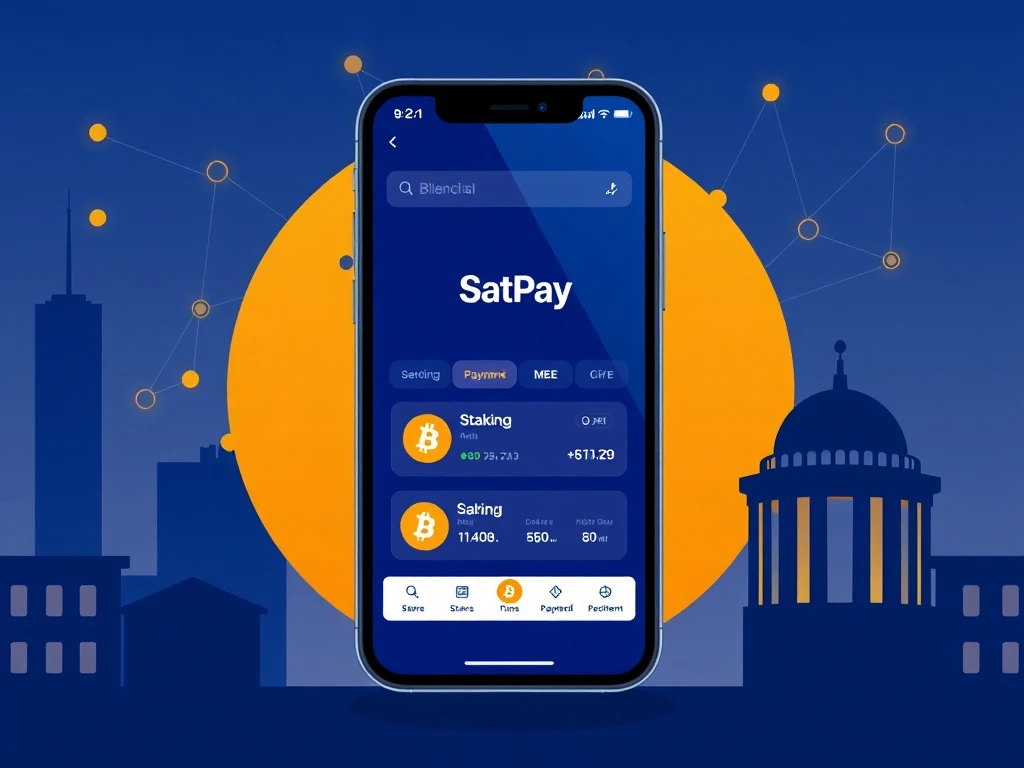
Global financial technology is witnessing a significant evolution as Core prepares to launch SatPay, a Bitcoin neo-bank that could fundamentally reshape how users interact with cryptocurrency assets. This development, announced in early 2025, represents a strategic move toward integrating Bitcoin yield tools with traditional banking functions. The project specifically aims to bridge the gap between BTC staking, everyday payments, and growing institutional demand for cryptocurrency solutions. Industry analysts are closely monitoring this initiative as it progresses toward its next development phase.
Bitcoin Banking Evolution and Core’s Strategic Vision
Core’s SatPay initiative emerges during a important moment for cryptocurrency adoption. Traditional financial institutions have increasingly explored digital asset integration throughout 2024 and 2025. Meanwhile, Bitcoin’s infrastructure has matured beyond simple storage solutions. The project specifically addresses three critical areas: yield generation through staking mechanisms, streamlined payment functionality, and institutional-grade service offerings. Core representatives emphasize that their approach builds upon existing Bitcoin financial tools rather than creating entirely new systems. Consequently, this development could accelerate mainstream cryptocurrency adoption.
Also read: AAVE Exchange Balances Surge to 2.23M, Signaling Intensifying Sell Pressure
Financial technology experts note that Bitcoin banking solutions have evolved through distinct phases. Initially, services focused primarily on secure storage and basic transactions. Subsequently, platforms introduced earning opportunities through various mechanisms. Now, comprehensive neo-banking solutions aim to consolidate these functions. Core’s development timeline indicates careful planning and iterative testing. The team has reportedly engaged with institutional partners throughout the design process. Therefore, the final product should reflect substantial market research and user feedback.
Institutional Demand and Market Context
Institutional interest in Bitcoin has grown substantially since 2023. Major financial firms have allocated portions of their portfolios to cryptocurrency assets. Additionally, regulatory frameworks in multiple jurisdictions have provided clearer guidelines for digital asset management. Core’s development team recognizes this shifting space. Their representatives specifically mention institutional demand as a driving factor for SatPay’s feature set. The platform will likely incorporate compliance tools familiar to traditional finance professionals. Furthermore, security protocols will meet enterprise-grade standards expected by institutional users.
Also read: BYDFi Simplifies Crypto: How the Exchange Is Opening Trading to Everyone in 2026
BTC Staking and Yield Infrastructure Development
Bitcoin yield generation represents a core component of SatPay’s value proposition. Unlike proof-of-stake networks, Bitcoin traditionally offered limited native staking options. However, innovative financial instruments have emerged to address this limitation. Core’s yield infrastructure reportedly builds upon established Bitcoin financial protocols. The system will enable users to generate returns on their BTC holdings while maintaining liquidity for payments. This dual functionality addresses a common challenge in cryptocurrency banking: balancing earning potential with spending accessibility.
The technical architecture behind Bitcoin yield tools involves several key components. First, secure custody solutions protect user assets during staking operations. Second, smart contract mechanisms automate yield distribution according to predefined parameters. Third, risk management protocols monitor market conditions and adjust strategies accordingly. Core’s development team has emphasized transparency throughout their technical documentation. They regularly publish updates about infrastructure progress and security audits. This approach builds trust within the cryptocurrency community and beyond.
| Feature | Traditional Crypto Banks | SatPay Neo-Bank Approach |
|---|---|---|
| Yield Generation | Limited or separate platforms | Integrated BTC staking |
| Payment Integration | Basic transaction functions | Smooth spending from yield accounts |
| Institutional Tools | Often added as afterthought | Designed from ground up |
| Regulatory Compliance | Varies by jurisdiction | Multi-jurisdiction framework |
| User Experience | Fragmented across services | Unified interface |
Payment Integration and User Experience Design
SatPay’s payment functionality aims to bridge cryptocurrency and traditional commerce. The system will reportedly support both online and point-of-sale transactions. Users can spend Bitcoin directly from their accounts without manual conversion steps. This fluid experience addresses a significant barrier to cryptocurrency adoption: spending complexity. The development team has focused on creating intuitive interfaces that resemble familiar banking applications. Consequently, users with limited cryptocurrency experience should find the platform accessible.
Payment infrastructure relies on several technological components. First, real-time conversion engines calculate fiat equivalents during transactions. Second, merchant integration tools simplify acceptance for businesses. Third, transaction monitoring systems ensure security and compliance. Core has partnered with established payment processors to accelerate adoption. These partnerships provide immediate access to existing merchant networks. Therefore, SatPay users could theoretically spend Bitcoin at numerous locations upon launch.
Security and Regulatory Considerations
Financial technology platforms must prioritize security and regulatory compliance. Core’s development approach incorporates multiple security layers. These include cold storage for majority assets, multi-signature authorization protocols, and real-time threat detection systems. The company has engaged third-party security firms to conduct penetration testing. Additionally, regulatory compliance teams work closely with financial authorities in target markets. This proactive approach aims to prevent operational disruptions after launch.
Regulatory landscapes for cryptocurrency banking vary significantly across regions. The European Union’s Markets in Crypto-Assets (MiCA) framework provides comprehensive guidelines. Similarly, United States regulators have clarified certain aspects of digital asset management. Core’s legal team analyzes these regulations to ensure compliance. Their representatives emphasize working within existing frameworks rather than challenging regulatory boundaries. This strategy should enable smoother market entry and sustainable operations.
Market Impact and Competitive Environment
The introduction of SatPay could influence the broader cryptocurrency banking sector. Existing platforms may accelerate their own development roadmaps in response. Additionally, traditional financial institutions might reconsider their cryptocurrency strategies. Market analysts identify several potential impacts from successful neo-bank launches:
- Increased Bitcoin utility: Integrated payment solutions encourage active spending rather than passive holding
- Yield standardization: Established protocols could become benchmarks for Bitcoin earning products
- Institutional adoption: Professional-grade tools attract larger-scale cryptocurrency investment
- Regulatory clarity: Successful implementations demonstrate compliant cryptocurrency banking models
- User experience improvements: Competition drives interface and functionality enhancements across the sector
Competitive analysis reveals both opportunities and challenges for Core’s initiative. Several established cryptocurrency platforms already offer banking-like services. However, few integrate all three components: staking, payments, and institutional tools. This comprehensive approach could differentiate SatPay in a crowded market. The development team’s focus on Bitcoin-specific solutions rather than multi-asset support represents another strategic choice. This specialization allows deeper optimization for Bitcoin’s unique characteristics.
Conclusion
Core’s SatPay neo-bank breakthrough represents a significant advancement in Bitcoin banking infrastructure. The project successfully integrates BTC staking mechanisms with practical payment solutions while addressing institutional requirements. This comprehensive approach could accelerate cryptocurrency adoption by making Bitcoin more functional for everyday financial activities. As development progresses toward its next phase, the financial technology community watches closely. Successful implementation would demonstrate Bitcoin’s evolving role beyond speculative asset toward practical financial tool. The Bitcoin banking revolution continues to unfold through innovations like SatPay that bridge traditional finance and cryptocurrency ecosystems.
FAQs
Q1: What exactly is a Bitcoin neo-bank?
A Bitcoin neo-bank is a digital banking platform built specifically around cryptocurrency assets. Unlike traditional banks, these services integrate cryptocurrency storage, earning, and spending into a unified experience. They typically offer features similar to conventional banking but optimized for digital assets.
Q2: How does BTC staking work in SatPay?
While Bitcoin doesn’t natively support staking like proof-of-stake networks, SatPay uses financial instruments that simulate staking benefits. These may include lending protocols, liquidity provision, or other yield-generating mechanisms that allow users to earn returns on their Bitcoin holdings while maintaining accessibility.
Q3: When will SatPay be available to users?
Core has not announced an official launch date as of early 2025. The project is currently in development with testing phases planned. The company typically releases products after thorough security audits and regulatory reviews to ensure compliance and user protection.
Q4: Will SatPay be available worldwide?
Initial availability will likely focus on jurisdictions with clear cryptocurrency regulations. Core is designing the platform with multi-jurisdiction compliance in mind, but specific market availability will depend on local regulatory approvals and partnership developments.
Q5: How does SatPay differ from existing cryptocurrency banking services?
SatPay aims to integrate three key components more comprehensively than many existing services: Bitcoin-specific yield generation, fluid payment functionality, and institutional-grade tools. This integrated approach distinguishes it from platforms that may offer these features separately or with less coordination.

This article was produced with AI assistance and reviewed by our editorial team for accuracy and quality.