Coinbase Listing Roadmap Expands with Strategic INX Addition, Signaling Major 2025 Market Evolution
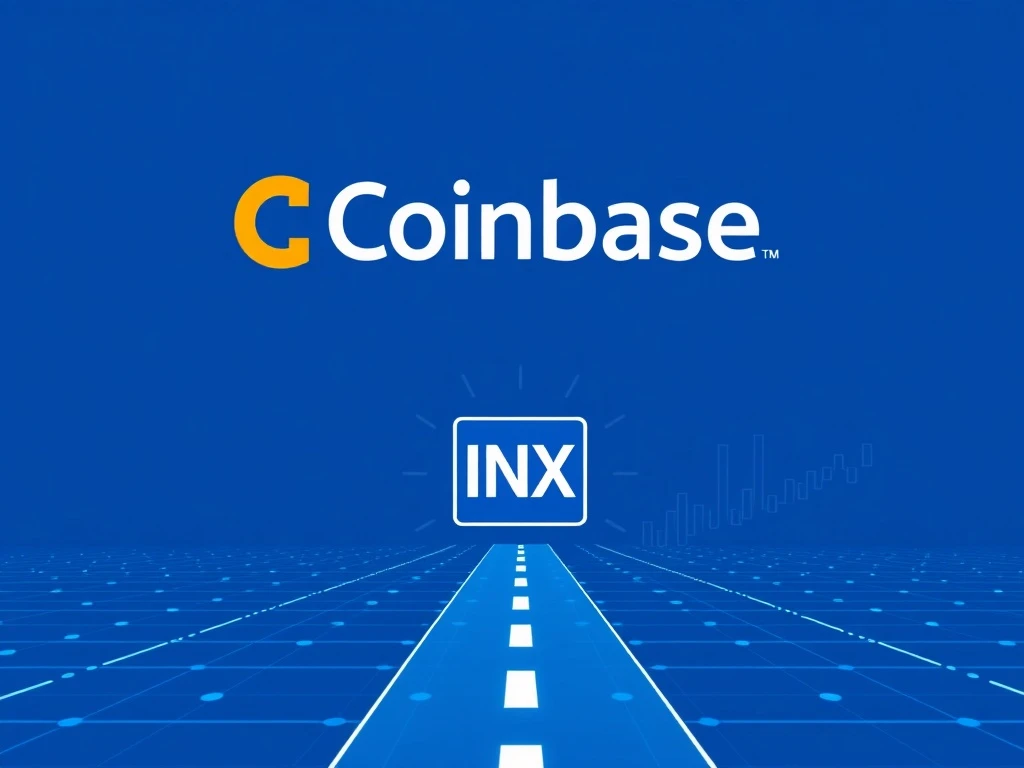
In a significant development for digital asset markets, Coinbase has announced the addition of INX to its official listing roadmap, potentially signaling a strategic pivot toward regulated security tokens and traditional finance integration as we approach 2025. This announcement, made from the company’s San Francisco headquarters on November 15, 2024, represents more than just another potential listing; it highlights the evolving relationship between cryptocurrency exchanges and regulated financial instruments. The move comes during a period of increasing regulatory clarity and institutional adoption within digital asset markets.
Coinbase Listing Roadmap Gains Strategic INX Addition
Coinbase maintains a transparent listing roadmap that provides the cryptocurrency community with visibility into potential future additions to its trading platform. The exchange introduced this roadmap system in 2022 to increase transparency about its asset evaluation process. Consequently, the inclusion of INX represents a deliberate strategic decision rather than a routine listing consideration. The roadmap functions as a preliminary announcement that typically precedes formal listing by several months, allowing markets to prepare for potential new trading options.
Also read: Bitcoin Strategy Divide: GameStop's 4,710 BTC Hold Contrasts With Nation's Massive Sell-Off
Historically, assets appearing on Coinbase’s listing roadmap have experienced significant market attention and trading volume increases upon their official listing. For instance, previous roadmap additions like Render Token (RNDR) and Akash Network (AKT) saw substantial price appreciation following their eventual platform integration. However, INX presents a fundamentally different case because it represents one of the first SEC-registered security tokens to appear on the roadmap of a major U.S.-based cryptocurrency exchange.
Understanding the INX Token and Its Regulatory Framework
The INX Digital Company, operating through its INX Securities subsidiary, represents a pioneering entity in regulated digital securities. Unlike most cryptocurrencies that operate as utility tokens or payment tokens, INX functions explicitly as a security token registered with both the U.S. Securities and Exchange Commission (SEC) and the Canadian Securities Administrators. This regulatory status fundamentally distinguishes INX from the majority of assets currently traded on cryptocurrency exchanges.
Also read: Bitcoin Volatility Dips Below Major Stocks as European Nation Sells Billions in Crypto Reserves
INX completed its initial public offering in 2021, raising approximately $85 million through a Regulation A+ offering approved by the SEC. The token provides holders with certain rights including potential profit-sharing mechanisms and governance participation. Furthermore, INX operates a trading platform specifically designed for security tokens, creating a comprehensive ecosystem for regulated digital assets. This dual nature as both a token issuer and platform operator makes INX particularly significant within the evolving digital securities arena.
Regulatory Implications and Market Structure Evolution
The potential listing of INX on Coinbase carries substantial regulatory implications for the broader cryptocurrency industry. Security tokens operate under different legal frameworks than utility tokens, requiring compliance with traditional securities laws including investor accreditation requirements in many jurisdictions. A successful integration would demonstrate Coinbase’s ability to deal with complex regulatory environments while expanding its product offerings beyond conventional cryptocurrency assets.
Industry analysts note that this development aligns with broader trends toward regulatory compliance and institutional adoption. Major financial institutions have increasingly expressed interest in tokenized traditional assets, with projections suggesting the tokenized securities market could reach $16 trillion by 2030 according to Boston Consulting Group research. Coinbase’s exploration of security token listings positions the exchange to capture this emerging market segment as regulatory frameworks continue to mature globally.
Technical Integration Challenges and Solutions
Integrating security tokens like INX presents unique technical challenges for cryptocurrency exchanges accustomed to handling utility tokens and payment-focused cryptocurrencies. Security tokens typically require additional compliance features including investor verification, transfer restrictions, and regulatory reporting capabilities. These requirements necessitate sophisticated technical infrastructure that differs substantially from traditional cryptocurrency trading systems.
Coinbase has been developing its compliance technology stack for several years, including its Coinbase Prime institutional platform and advanced trading tools. The exchange’s existing relationships with regulatory bodies and its status as a publicly traded company provide foundational elements for handling regulated securities. However, successfully integrating INX would require implementing specific compliance protocols for security token transactions while maintaining the user experience expectations of Coinbase’s retail and institutional clients.
Market Impact and Competitive Space Analysis
The cryptocurrency exchange competitive environment has evolved significantly in recent years, with platforms increasingly differentiating themselves through regulatory compliance and asset diversity. Traditional financial institutions entering the digital asset space typically prioritize regulated instruments over purely speculative cryptocurrencies. Consequently, Coinbase’s potential listing of INX could strengthen its position with institutional clients seeking regulated digital asset exposure.
Competitors including Kraken and Gemini have also explored security token offerings, though comprehensive integration remains limited across major exchanges. European platforms like Bitpanda and Swissquote have made more substantial progress with regulated token offerings, creating competitive pressure on U.S.-based exchanges to expand their security token capabilities. The INX roadmap addition suggests Coinbase is preparing to compete more aggressively in this emerging market segment as regulatory clarity improves.
Investor Considerations and Risk Assessment
Investors evaluating the potential INX listing should consider several unique factors compared to traditional cryptocurrency investments. Security tokens typically feature different risk profiles, regulatory protections, and market behaviors than conventional cryptocurrencies. The INX token’s value derives from the performance of the underlying business rather than purely speculative trading dynamics or network utility factors.
Key considerations for potential investors include:
- Regulatory compliance requirements: Security tokens may have investor accreditation or jurisdictional restrictions
- Market liquidity dynamics: Security token markets often feature different liquidity profiles than major cryptocurrencies
- Valuation methodologies: Traditional financial analysis may apply more directly to security tokens
- Reporting requirements: Tax treatment and reporting may differ from cryptocurrency holdings
Additionally, investors should recognize that roadmap inclusion does not guarantee eventual listing. Coinbase maintains rigorous evaluation criteria that assets must satisfy before formal platform integration. The exchange has previously removed assets from its roadmap when they failed to meet evolving standards or regulatory requirements.
Conclusion
Coinbase’s addition of INX to its listing roadmap represents a strategic development with implications extending far beyond another potential trading pair. This move signals the exchange’s exploration of regulated security tokens as part of its broader market expansion strategy heading into 2025. The potential integration bridges traditional securities markets with cryptocurrency infrastructure, potentially accelerating institutional adoption and regulatory maturation. As digital asset markets continue evolving, developments like the Coinbase listing roadmap expansion with INX highlight the industry’s progression toward more sophisticated, regulated, and institutionally accessible financial products. Market participants should monitor this development closely as it may establish important precedents for security token integration across major cryptocurrency exchanges.
FAQs
Q1: What does it mean when Coinbase adds a token to its listing roadmap?
Coinbase’s listing roadmap provides transparency about assets under consideration for potential future trading on its platform. Roadmap inclusion indicates the exchange has begun evaluating the asset but does not guarantee eventual listing. The process typically involves technical, compliance, and market reviews before final decisions.
Q2: How is INX different from other cryptocurrencies on Coinbase?
INX represents a security token registered with the SEC, unlike most cryptocurrencies that function as utility or payment tokens. This regulatory status means INX operates under securities laws with different compliance requirements, investor protections, and market behaviors than conventional digital assets.
Q3: What are the potential benefits of security token listings for cryptocurrency exchanges?
Security token listings can expand exchange product offerings to include regulated instruments, attract institutional investors, demonstrate regulatory compliance capabilities, and position platforms for the growing tokenized securities market projected to reach trillions in value.
Q4: How long does it typically take from roadmap addition to actual listing on Coinbase?
The timeline varies significantly based on technical, regulatory, and market factors. Historical patterns suggest several months between roadmap appearance and actual listing, though some assets have remained on the roadmap for extended periods without progressing to full integration.
Q5: What should investors consider before trading security tokens like INX?
Investors should understand regulatory requirements including potential accreditation standards, recognize different risk profiles compared to conventional cryptocurrencies, evaluate the underlying business fundamentals, consider market liquidity characteristics, and consult appropriate financial and tax advisors familiar with digital securities.

This article was produced with AI assistance and reviewed by our editorial team for accuracy and quality.