CLARITY Act Faces Important Senate Agriculture Committee Markup on Jan 27, Potentially Reshaping US Crypto Regulation
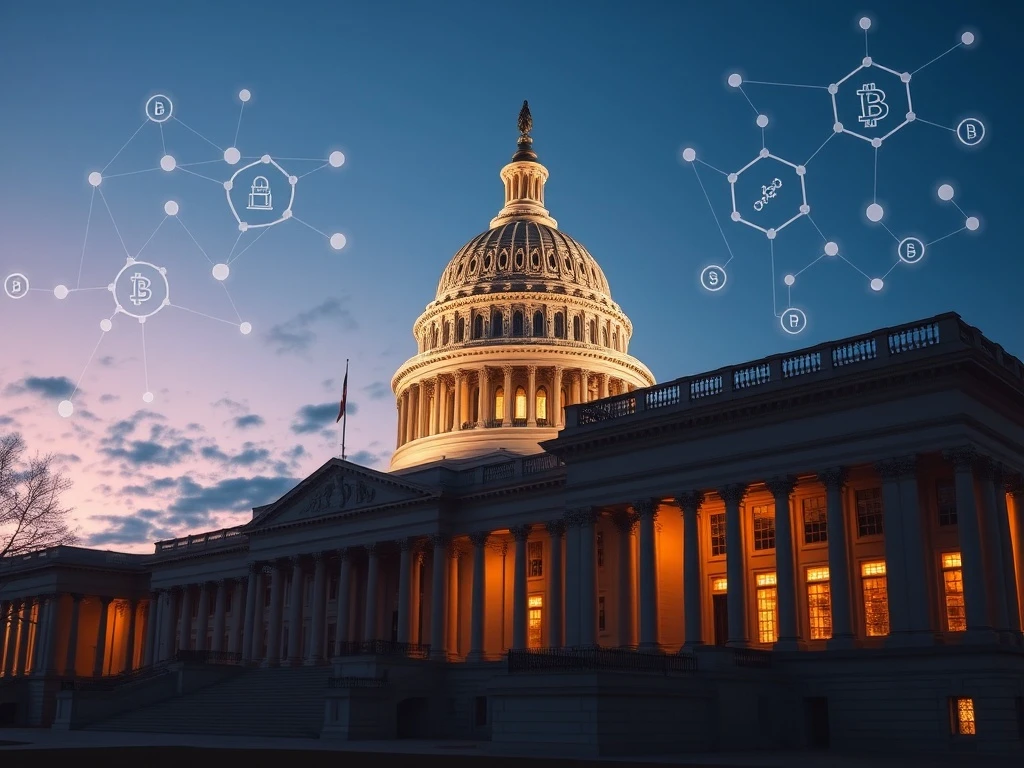
WASHINGTON, D.C. — January 15, 2025 — The United States Senate Agriculture Committee has officially scheduled a major January 27 markup hearing for the original CLARITY Act, potentially setting the stage for the most significant cryptocurrency regulatory framework in American history. This legislative action represents a critical milestone in the ongoing effort to establish comprehensive digital asset regulations, following years of regulatory uncertainty that has challenged both innovators and investors. The committee’s decision to proceed with this markup comes amid growing bipartisan recognition that clear rules are essential for maintaining American competitiveness in the global financial technology sector.
CLARITY Act Moves Forward with Transparent Timeline
The Senate Committee on Agriculture, Nutrition and Forestry announced its definitive schedule on Monday, committing to release the complete legislative text of the crypto market structure bill on January 21. Consequently, the committee will conduct its final markup hearing just six days later on January 27. This carefully planned timeline ensures stakeholders have adequate opportunity to review the proposed legislation before the committee’s deliberations. Committee chairman John Boozman emphasized the importance of this approach, stating, “This schedule ensures transparency and allows for thorough review as the committee moves forward with legislation to provide clarity and certainty for crypto markets.”
Also read: BlockDAG's Stunning 79,900% Surge Targets $1 as Litecoin and Dogecoin Struggle
Markup hearings represent a essential phase in the legislative process where committee members debate specific provisions, propose amendments, and finalize language before advancing legislation to the full Senate. The Agriculture Committee’s jurisdiction over the Commodity Futures Trading Commission (CFTC) positions it as a key player in determining how digital assets classified as commodities will be regulated. Meanwhile, the Senate Banking Committee, which oversees the Securities and Exchange Commission (SEC), has scheduled its own markup for Thursday, creating a coordinated legislative push.
Legislative Partnership and Consumer Protection Focus
Chairman Boozman specifically acknowledged Senator Cory Booker’s partnership in developing the legislation, highlighting the bipartisan cooperation that has characterized this regulatory effort. “I’m grateful to Senator Booker, who continues to be a great partner, as well as our staff for their hard work and dedication to create new rules to protect consumers while also supporting American innovation,” Boozman added. This dual focus on consumer protection and innovation support reflects the delicate balance lawmakers are attempting to strike as they work through complex technological and financial considerations.
Also read: AI Deepfake Tool JINKUSU CAM Exposes Critical Flaw in Crypto KYC Security
Regulatory Framework and Agency Oversight
The proposed crypto market structure bill establishes a clear division of regulatory authority between the SEC and CFTC, addressing one of the most persistent challenges in US digital asset regulation. Under the legislation’s current framework:
- SEC Oversight: Digital assets classified as securities would fall under Securities and Exchange Commission jurisdiction, subject to existing securities laws with potential modifications for technological considerations.
- CFTC Oversight: Commodity-classified cryptocurrencies would be regulated by the Commodity Futures Trading Commission, providing clearer guidelines for derivatives and spot markets.
- Dual Registration Pathways: The legislation may create mechanisms for assets to transition between classifications as their characteristics evolve.
This regulatory clarity has been widely praised by industry participants who have operated in what many describe as a “gray area” for years. However, significant sticking points remain, particularly regarding stablecoin regulations and decentralized finance protocols. The Senate Banking Committee’s recently amended draft includes provisions that would prohibit crypto asset providers from offering passive yield on stablecoin holdings—a restriction that has generated substantial debate within both the cryptocurrency and traditional banking sectors.
Comparative Regulatory Approaches
| Regulatory Area | Current US Approach | CLARITY Act Framework | International Comparison (EU) |
|---|---|---|---|
| Security/Commodity Classification | Case-by-case determinations | Clear statutory definitions | Uniform regulatory framework (MiCA) |
| Stablecoin Regulation | Fragmented state/federal rules | Federal oversight with yield restrictions | Comprehensive reserve requirements |
| DeFi Protocols | Unclear application of existing laws | Specific provisions under development | Technology-neutral principles |
Political Field and Legislative Pathway
Following successful committee markups, the CLARITY Act would advance to consideration by the full Senate, where it would require majority approval before moving to the House of Representatives. This legislative pathway faces potential obstacles, including possible government funding disruptions that could delay proceedings. Last year, extended government shutdowns significantly hindered progress on multiple cryptocurrency bills, and while a full shutdown in January 2025 is considered unlikely, temporary funding gaps remain possible if appropriations bills encounter resistance.
Former SEC Chairman Paul Atkins expressed optimism about the legislation’s prospects earlier this week, stating he’s “bullish” on the chances of President Donald Trump signing comprehensive crypto legislation this year. This sentiment reflects growing recognition across the political spectrum that regulatory certainty benefits market participants, consumers, and national economic interests. The legislation’s advancement coincides with increasing global competition in digital asset regulation, particularly from the European Union’s Markets in Crypto-Assets (MiCA) framework which took full effect in 2024.
Historical Context and Industry Evolution
The CLARITY Act represents the culmination of nearly a decade of legislative efforts to establish coherent cryptocurrency regulations in the United States. Previous attempts, including the Digital Commodities Exchange Act and various stablecoin-specific proposals, have advanced through committees but failed to reach the President’s desk. The current legislative push benefits from several converging factors: increased institutional adoption of digital assets, clearer judicial guidance on regulatory boundaries, and heightened awareness of the economic implications of regulatory arbitrage as other jurisdictions establish comprehensive frameworks.
Potential Market Impacts and Industry Response
Market participants have generally welcomed the prospect of regulatory clarity, though specific provisions continue to generate debate. The proposed restrictions on stablecoin yields have drawn particular attention, with some industry representatives arguing they could disadvantage US-based platforms competing with international alternatives. Conversely, traditional financial institutions and banking groups have largely supported these restrictions, citing consumer protection concerns and potential systemic risk considerations.
Industry analysts suggest that successful passage of the CLARITY Act could trigger significant capital inflows into compliant US cryptocurrency platforms while potentially accelerating consolidation among smaller operators facing increased compliance costs. The legislation’s emphasis on consumer protection measures, including enhanced disclosure requirements and custody standards, aligns with broader trends toward institutionalization within the digital asset ecosystem. Furthermore, clear regulatory parameters could enable greater integration between traditional financial markets and cryptocurrency innovations, particularly in areas like tokenized real-world assets and blockchain-based settlement systems.
Expert Perspectives on Implementation Challenges
Regulatory experts emphasize that even with legislative clarity, implementation will present substantial challenges for both regulators and market participants. The CFTC and SEC will need to develop detailed rules and guidance based on the statutory framework, a process that typically involves extended comment periods and phased implementation. Additionally, the legislation must account for rapidly evolving technological developments, including advances in zero-knowledge proofs, cross-chain interoperability, and decentralized autonomous organizations. These considerations underscore the importance of creating a flexible regulatory framework that can adapt to innovation while maintaining core consumer protection and market integrity principles.
Conclusion
The January 27 markup hearing for the CLARITY Act represents a decisive moment in the evolution of United States cryptocurrency regulation. By establishing clear jurisdictional boundaries between regulatory agencies and providing comprehensive market structure guidelines, this legislation addresses fundamental uncertainties that have persisted since Bitcoin’s inception. While significant details remain to be finalized during the markup process, the bipartisan cooperation evident in the Agriculture Committee’s approach suggests growing political consensus on the need for regulatory clarity. As the global digital asset market continues to mature, the CLARITY Act’s progression through Congress will undoubtedly shape the future of cryptocurrency innovation, investment, and integration within the broader financial system for years to come.
FAQs
Q1: What is the CLARITY Act and why is it important?
The CLARITY Act is proposed US legislation that would establish a comprehensive regulatory framework for cryptocurrency markets. It’s important because it would provide clear guidelines for market participants, define regulatory jurisdiction between the SEC and CFTC, and potentially resolve years of regulatory uncertainty that have challenged the digital asset industry.
Q2: What happens during a Senate committee markup hearing?
A markup hearing is where committee members review, amend, and finalize legislative language before voting to advance a bill to the full Senate. During this process, senators debate specific provisions, propose changes, and work toward consensus on the bill’s final form within the committee.
Q3: How does the CLARITY Act address stablecoin regulation?
The current draft of the legislation includes provisions that would prohibit cryptocurrency providers from offering passive yield on stablecoin holdings. This approach has generated debate, with some industry participants concerned about competitiveness while traditional financial institutions generally support the consumer protection focus.
Q4: What are the next steps if the Agriculture Committee approves the CLARITY Act?
Following committee approval, the legislation would advance to the full Senate for consideration. If passed by the Senate, it would then move to the House of Representatives for review and potential amendments before possibly reaching the President’s desk for signature.
Q5: How does US cryptocurrency regulation compare to other countries?
The United States has generally taken a more fragmented approach than jurisdictions like the European Union, which implemented the comprehensive MiCA framework in 2024. The CLARITY Act represents an effort to create more cohesive federal regulations while maintaining the US’s characteristic emphasis on innovation within established regulatory parameters.

This article was produced with AI assistance and reviewed by our editorial team for accuracy and quality.