Portable LED Veterinary Surgical Lights: The Essential Guide for Modern Small Animal Clinics
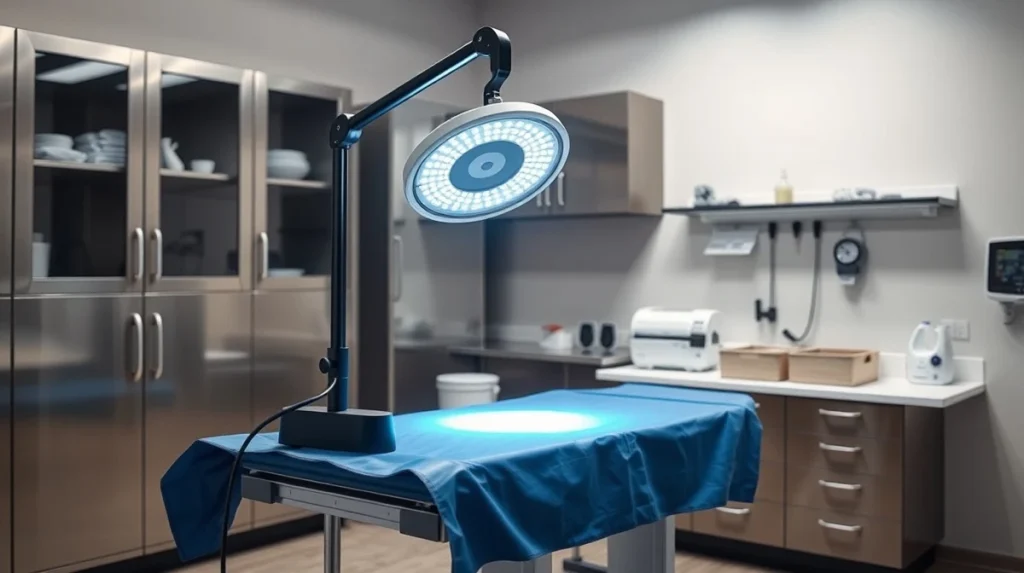
Selecting the right portable LED veterinary surgical light is a critical decision for any small animal clinic aiming to enhance surgical precision and patient safety. As of March 2026, advancements in LED technology and ergonomic design have transformed these mobile units from simple illuminators into sophisticated medical instruments. This guide provides a factual analysis of the key specifications and practical considerations for veterinary professionals.
Core Technical Specifications for Portable LED Veterinary Lights
Understanding the technical parameters of portable LED surgical lights is fundamental for making an informed purchase. The primary metrics directly impact surgical visibility and outcomes. First, illuminance, measured in lux, determines the intensity of light on the surgical field. For delicate small animal procedures, a minimum of 40,000 to 100,000 lux is often recommended to reveal fine anatomical details. Secondly, color temperature, measured in Kelvin (K), affects tissue differentiation. Lights offering adjustable color rendering, typically between 4000K (warm) and 5000K (cool, daylight), help surgeons distinguish between tissues, vessels, and organs with greater accuracy.
Also read: M Series ANC Token Presale Launches with Detailed Vesting
Furthermore, the Color Rendering Index (CRI) is a vital but often overlooked specification. A high CRI value, ideally above 90, ensures that the colors of tissues and fluids are represented truthfully under the light, reducing diagnostic errors. Another critical feature is shadow reduction. Advanced portable systems use multiple LED arrays or specific optical designs to minimize shadows cast by surgical instruments and the surgeon’s hands, maintaining a consistently clear field of view throughout the procedure.
Ergonomics and Clinic Integration
Beyond pure light output, the physical design of a portable LED light determines its utility in a busy clinic environment. Maneuverability is paramount. Clinics should evaluate the stability of the mobile stand, the smoothness of its casters, and the ease of repositioning the light head during surgery. A light with a long reach and multiple articulation points offers greater flexibility for different table heights and surgical approaches common in small animal orthopedics or soft tissue surgery.
Also read: Pepeto Presale Attracts Investor Interest Amid Meme Coin Rally
Additionally, sterilization compatibility is a non-negotiable requirement. All surfaces of the light head, especially handles and adjustment knobs, must withstand repeated cleaning with hospital-grade disinfectants without degrading. The thermal management of the LED unit is also critical; it must remain cool to the touch to maintain a comfortable environment and prevent any risk to the patient or staff. Finally, integration with existing clinic power systems or the availability of long-lasting battery options ensures the light remains operational during extended procedures or potential power interruptions.
Evaluating Durability and Total Cost of Ownership
Veterinary equipment must withstand rigorous daily use. When assessing portable LED surgical lights, clinics must consider the product’s build quality, warranty terms, and the manufacturer’s reputation for service and support. The rated lifespan of the LEDs, often exceeding 50,000 hours, translates to years of reliable service without the need for bulb replacements, a significant advantage over older halogen or metal halide systems. This longevity, combined with the inherent energy efficiency of LED technology, contributes to a lower total cost of ownership despite a potentially higher initial investment. Factoring in maintenance costs and potential downtime for repairs is an essential part of the financial analysis for any clinic.
Comparative Analysis: Key Features Checklist
To streamline the decision-making process, clinics can use the following comparative framework. This checklist highlights the non-negotiable and desirable features for a modern portable LED veterinary surgical light system.
Essential Features (Must-Have):
- Illuminance of 40,000 lux or higher at a standard working distance.
- Adjustable color temperature (4000K-5000K range).
- High Color Rendering Index (CRI > 90).
- Effective shadow reduction technology.
- Fully sterilizable light head surfaces.
- Stable, easy-to-maneuver mobile floor stand.
Advanced Features (Highly Beneficial):
- Battery backup for cordless operation.
- Touch-free, sensor-based controls to maintain sterility.
- Focus adjustment from wide field to small spot.
- Integrated camera mount for documentation.
- Extended manufacturer warranty and local service support.
Conclusion
Choosing the optimal portable LED veterinary surgical light requires a balanced evaluation of technical performance, ergonomic design, and long-term reliability. For small animal clinics, investing in a high-quality system directly enhances surgical accuracy, improves workflow efficiency, and supports superior patient care standards. By prioritizing key specifications like lux output, color rendering, and clinic-friendly design, veterinary practitioners can select a tool that serves as a reliable cornerstone of their surgical suite for years to come.
FAQs
Q1: What is the main advantage of LED over halogen for veterinary surgical lights?
LED lights offer significantly longer lifespan (often 50,000+ hours), lower heat emission, greater energy efficiency, and more consistent light quality over time compared to halogen bulbs, which degrade and require frequent replacement.
Q2: Why is color temperature adjustment important in a surgical light?
Adjustable color temperature allows surgeons to tailor the light to the specific procedure. Cooler temperatures (5000K) enhance contrast for general surgery, while warmer tones (4000K) can be easier on the eyes during long procedures and improve depth perception.
Q3: How does shadow reduction technology work in portable lights?
Advanced systems use multiple LED modules arranged in a specific array or employ reflective optics. This design ensures that if one light path is obstructed, light from other angles fills in the shadow, maintaining uniform illumination across the surgical field.
Q4: Can portable LED lights be used as a primary light source for surgery?
Yes, modern high-output portable LED lights are designed to serve as the primary illumination source for a wide range of small animal surgical procedures, offering performance comparable to many ceiling-mounted systems.
Q5: What should I look for in the warranty for a veterinary surgical light?
Seek a comprehensive warranty that covers both parts and labor for the LED engine and critical mechanical components for a minimum of three to five years, with clear terms on service response times, which is essential for clinical equipment.

This article was produced with AI assistance and reviewed by our editorial team for accuracy and quality.