CFTC Innovation Advisory Committee Launches to Shape the Future of Financial and Crypto Technologies
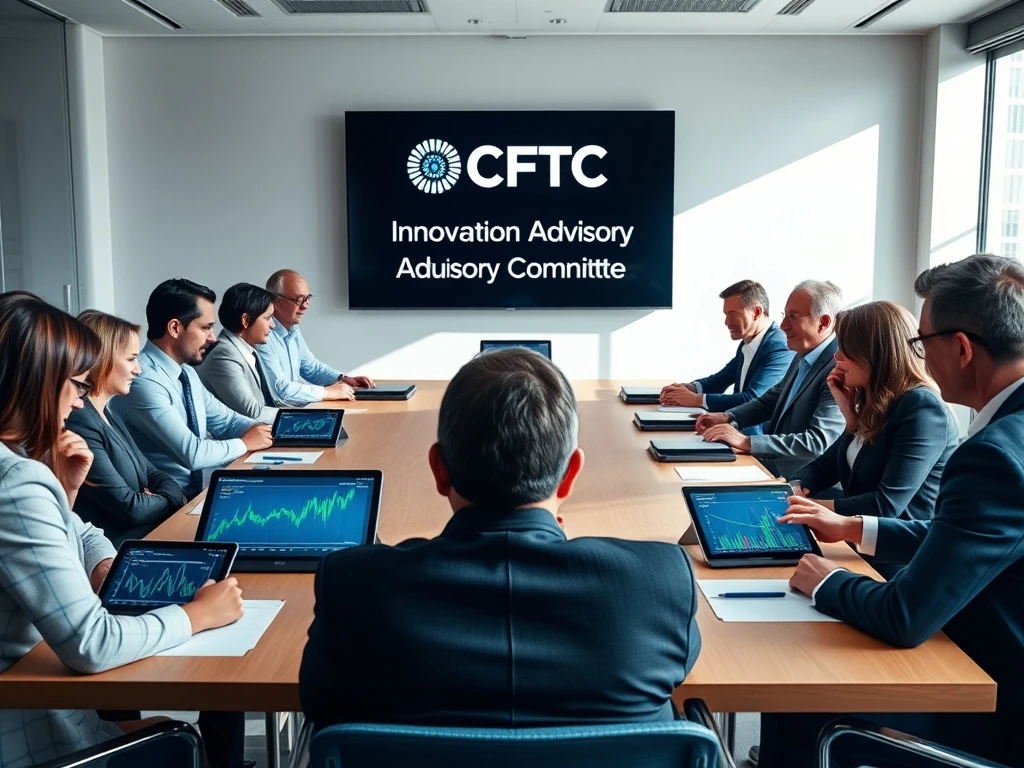
In a significant move to modernize financial oversight, the U.S. Commodity Futures Trading Commission announced the formation of its Innovation Advisory Committee on January 15, 2025. This strategic initiative aims to guide regulatory approaches for rapidly evolving financial technologies, particularly cryptocurrency markets. The committee represents a deliberate effort to bridge the gap between traditional regulatory frameworks and innovative financial products that continue transforming global markets.
CFTC Innovation Advisory Committee Structure and Mandate
The CFTC Innovation Advisory Committee replaces the agency’s former Technology Advisory Committee with expanded responsibilities and a renewed focus on practical regulatory solutions. Chairman Mike Selig emphasized the committee’s critical role in developing what he termed “fit-for-purpose market structure regulations” for what he calls “the new frontier of finance.” The committee’s charter specifically outlines its responsibility to provide guidance on technological developments across financial services, derivatives, and commodity markets.
Also read: AI Trading Agents: The Revolutionary Path to Mastering Your Crypto Portfolio in 2025
This advisory body will operate with 12 initial members selected from the CEO Innovation Council, ensuring representation from both established financial institutions and emerging technology companies. The committee’s formation follows months of preparation and reflects growing recognition within regulatory circles that traditional approaches require adaptation to address innovations like decentralized finance, tokenized assets, and blockchain-based trading platforms.
Committee Composition and Leadership Dynamics
The CFTC Chair will personally sponsor the Innovation Advisory Committee, signaling the agency’s commitment to this initiative. Membership includes prominent figures from cryptocurrency exchanges alongside traditional financial executives, creating a balanced perspective across sectors. From the cryptocurrency industry, committee participants include Tyler Winklevoss of Gemini, Shayne Coplan of Polymarket, Tarek Mansour of Kalshi, Kris Marszalek of Crypto.com, and Arjun Sethi of Kraken.
Also read: RunBot AI Trading Bot: Revolutionizing Automated Cryptocurrency Strategies with Machine Learning
Traditional finance representation comes from established leaders including Jeff Sprecher of Intercontinental Exchange, Craig Donohue of Cboe Global Markets, and Adena Friedman of Nasdaq. This diverse composition ensures the committee considers multiple viewpoints when advising on regulatory matters. The CFTC has also opened a public nomination process until January 31, 2026, allowing broader participation in shaping the committee’s future direction.
Regulatory Context and Market Implications
The CFTC’s initiative arrives at a important moment for financial regulation as technological innovation accelerates across multiple sectors. Financial markets increasingly incorporate artificial intelligence, distributed ledger technology, and automated trading systems that challenge traditional oversight mechanisms. The Innovation Advisory Committee will specifically address how these technologies impact derivatives markets, commodity trading, and emerging digital asset classes.
Market participants have long advocated for clearer regulatory frameworks that accommodate innovation while maintaining market integrity. The committee’s formation responds to these concerns by creating a structured channel for industry input on regulatory development. Furthermore, the committee will advise the CFTC on necessary tools and investments for effective market monitoring, potentially influencing future budget allocations and technological upgrades within the agency.
Key responsibilities outlined in the committee’s charter include:
- Providing guidance on technological developments across financial services
- Sharing insights on technology adoption and integration by market participants
- Advising on tools needed for effective monitoring and oversight
- Ensuring regulations support fair, transparent, and well-functioning markets
Historical Precedents and International Comparisons
The CFTC’s approach follows similar initiatives by other regulatory bodies worldwide. For instance, the United Kingdom’s Financial Conduct Authority established its Digital Sandbox in 2020, while Singapore’s Monetary Authority launched its FinTech Innovation Lab in 2016. However, the CFTC’s committee distinguishes itself through its specific focus on derivatives and commodity markets, areas where cryptocurrency products have seen substantial growth.
This regulatory development also aligns with broader U.S. government efforts to establish leadership in financial technology. Venture capital firm Andreessen Horowitz recently emphasized the strategic importance of cryptocurrency innovation for maintaining economic competitiveness. Their analysis suggests that falling behind in technological development could significantly impact the country’s global financial standing, with implications extending beyond domestic markets.
Practical Implementation and Timeline
The Innovation Advisory Committee will begin its work immediately following member appointments, with initial meetings scheduled for the first quarter of 2025. The committee’s agenda will prioritize several key areas based on market developments and regulatory needs. These include clarifying jurisdictional boundaries between regulatory agencies, addressing cross-border trading challenges, and establishing standards for emerging financial products.
Committee recommendations will follow a structured process before reaching CFTC commissioners for consideration. First, subcommittees will examine specific technological areas and prepare detailed analyses. Next, the full committee will review these findings and develop consensus recommendations. Finally, formal proposals will undergo internal review before submission to the Commission for potential regulatory action.
The table below outlines the committee’s anticipated focus areas for 2025:
| Focus Area | Primary Considerations | Expected Timeline |
|---|---|---|
| Decentralized Finance Protocols | Regulatory classification, investor protection, market stability | Q2 2025 |
| Artificial Intelligence in Trading | Algorithm transparency, risk management, market manipulation prevention | Q3 2025 |
| Tokenized Traditional Assets | Custody requirements, settlement processes, regulatory reporting | Q4 2025 |
| Cross-Border Trading Platforms | Jurisdictional coordination, enforcement mechanisms, information sharing | Q1 2026 |
Industry Reactions and Expert Perspectives
Financial industry representatives have generally welcomed the CFTC’s initiative as a positive step toward regulatory clarity. Market participants have expressed particular appreciation for the committee’s balanced composition and its mandate to consider practical implementation challenges. Industry observers note that previous regulatory approaches sometimes failed to account for technological realities, creating compliance difficulties for innovative companies.
Legal experts specializing in financial regulation highlight the committee’s potential to reduce regulatory uncertainty, which has sometimes hindered investment in cryptocurrency infrastructure. They point to previous instances where unclear regulatory positions delayed product launches or forced companies to operate in regulatory gray areas. The committee’s work could help establish clearer guidelines that benefit both regulators seeking to maintain market integrity and companies developing innovative financial products.
Academic researchers emphasize the importance of the committee’s evidence-based approach. They suggest that effective regulation requires understanding both technological capabilities and market behaviors. The committee’s access to industry expertise combined with regulatory perspective creates opportunities for developing more effective oversight mechanisms. This collaborative model contrasts with traditional regulatory development processes that sometimes proceeded without sufficient industry consultation.
Conclusion
The CFTC Innovation Advisory Committee represents a forward-looking approach to financial regulation in an era of rapid technological change. By bringing together diverse expertise from traditional finance and emerging technology sectors, the committee aims to develop practical regulatory frameworks that support innovation while maintaining market integrity. This initiative reflects growing recognition that effective oversight requires ongoing dialogue between regulators and industry participants.
As financial markets continue evolving through technological advancement, the committee’s work will influence how regulators approach emerging challenges. The CFTC’s commitment to this advisory process suggests a willingness to adapt regulatory approaches to changing market realities. Ultimately, the success of the CFTC Innovation Advisory Committee will depend on its ability to translate diverse perspectives into actionable regulatory guidance that benefits all market participants.
FAQs
Q1: What is the primary purpose of the CFTC Innovation Advisory Committee?
The committee advises the CFTC on emerging financial technologies, helping develop regulations that are practical, clear, and aligned with current market conditions while supporting fair and transparent markets.
Q2: Who will serve on the Innovation Advisory Committee?
The committee includes 12 initial members from the CEO Innovation Council, featuring leaders from both cryptocurrency companies like Gemini and Crypto.com and traditional financial institutions like Nasdaq and Intercontinental Exchange.
Q3: How does this committee differ from previous CFTC advisory bodies?
This committee replaces the Technology Advisory Committee with expanded responsibilities, greater industry representation, and specific focus on practical regulatory implementation for emerging technologies.
Q4: Can the public contribute to the committee’s work?
Yes, the CFTC accepts public nominations for committee membership and suggestions for discussion topics until January 31, 2026, through its official channels.
Q5: What technologies will the committee prioritize?
The committee will focus on technologies transforming financial services, including cryptocurrency platforms, artificial intelligence applications, decentralized finance protocols, and tokenization systems.

This article was produced with AI assistance and reviewed by our editorial team for accuracy and quality.