CFTC Crypto Oversight Intensifies as Congress Considers Crucial Regulatory Expansion
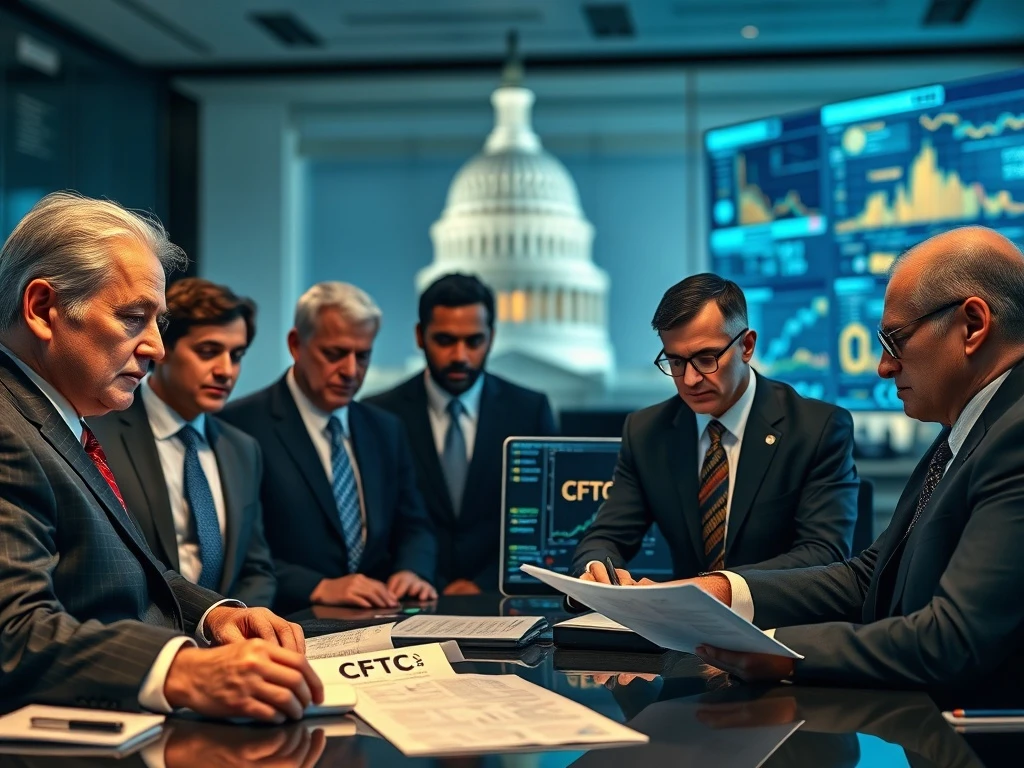
WASHINGTON, D.C. – January 2025: The U.S. Commodity Futures Trading Commission is strategically bolstering its leadership team with specialized cryptocurrency expertise as legislative momentum builds for potentially granting the agency expanded authority over digital asset markets. This significant development comes at a pivotal moment when bipartisan lawmakers are actively debating comprehensive crypto market structure legislation that could reshape America’s regulatory landscape for years to come. The CFTC’s proactive staffing moves signal both preparation and anticipation of broader responsibilities in overseeing spot cryptocurrency markets that have long operated in regulatory gray areas.
CFTC Strengthens Crypto Regulatory Expertise Through Strategic Appointments
Chair Michael Selig recently appointed two senior advisers with substantial digital asset experience, directly addressing the agency’s need for specialized knowledge. Michael Passalacqua brings crucial crypto custody and blockchain regulatory background from his previous role at Simpson Thacher & Bartlett, where he helped draft legal guidance that influenced SEC policy. Meanwhile, Cal Mitchell contributes valuable perspective from his Treasury Department tenure, creating a balanced team equipped for complex regulatory challenges. These appointments represent more than routine staffing changes; they reflect a deliberate strategy to enhance the CFTC’s institutional capacity for digital asset oversight.
The timing of these appointments coincides with several legislative proposals circulating in Congress. Lawmakers are specifically considering bills that would clarify jurisdictional boundaries between the CFTC and Securities and Exchange Commission. Historically, the SEC has claimed authority over most digital assets as securities, while the CFTC has regulated crypto derivatives and futures. However, proposed legislation could grant the CFTC explicit authority over spot markets for cryptocurrencies deemed commodities, fundamentally altering the regulatory framework. This potential expansion explains why the agency is prioritizing expertise in crypto custody, blockchain technology, and digital asset compliance.
Michael Passalacqua’s Crypto Custody Experience Proves Particularly Relevant
Passalacqua’s background demonstrates the CFTC’s focus on practical regulatory challenges. At Simpson Thacher, he contributed to legal analysis that led to the SEC’s no-action position regarding state-chartered trust companies serving as crypto custodians. This guidance, reaffirmed in September 2024, created important regulatory certainty for institutional investors. His experience spans both private practice and in-house roles at crypto-focused capital markets firms, providing him with comprehensive understanding of compliance requirements and transaction structures. This specific expertise becomes increasingly valuable as institutional adoption grows and custody solutions evolve.
Legislative Context and Congressional Momentum for Crypto Regulation
Congressional activity around cryptocurrency regulation has intensified throughout 2024 and continues into 2025. Multiple legislative proposals aim to establish clearer rules for digital asset markets, with several key bills gaining bipartisan support. The proposed legislation generally seeks to address jurisdictional questions that have created regulatory uncertainty since Bitcoin’s emergence. Lawmakers from both parties recognize that regulatory clarity could enhance consumer protection, prevent fraud, and position the United States as a leader in financial innovation. However, significant disagreements remain about specific approaches and the appropriate balance between innovation and investor safeguards.
The table below outlines key legislative proposals currently under consideration:
| Bill Name | Primary Sponsor | Key Provisions | Status |
|---|---|---|---|
| Digital Asset Market Structure Act | Sen. Cynthia Lummis (R-WY) | Clarifies SEC/CFTC jurisdiction, creates registration pathways | Committee review |
| Crypto Consumer Protection Act | Sen. Sherrod Brown (D-OH) | Focuses on fraud prevention and disclosure requirements | Introduced |
| Blockchain Regulatory Certainty Act | Rep. Tom Emmer (R-MN) | Exempts blockchain services from certain licensing requirements | Hearings scheduled |
These legislative efforts reflect growing recognition that current regulatory approaches need updating for digital asset markets. The CFTC’s leadership appointments demonstrate the agency’s preparation for whatever regulatory framework ultimately emerges from Congress. Industry observers note that regulatory coordination between agencies remains challenging, particularly as the SEC continues developing its own digital asset policies under Chair Gary Gensler. The evolving relationship between these two regulators will significantly impact market development and institutional participation.
Political Dynamics and Regulatory Coordination Challenges
Regulatory approaches to cryptocurrency continue evolving alongside shifting political priorities. In October 2024, SEC officials indicated alignment with President Trump’s digital asset agenda, though analysts caution that policy directions could change with future administrations. The 2026 midterm elections may particularly influence regulatory continuity and enforcement priorities. Meanwhile, the CFTC currently operates with Chair Selig as the sole commissioner following several departures and pending nominations. This leadership concentration creates both efficiency advantages and potential vulnerabilities, depending on how quickly vacant commissioner positions receive Senate confirmation.
Several broader trends emerge from recent regulatory developments:
- Increased emphasis on specialized expertise: Regulatory agencies increasingly seek professionals with direct crypto and blockchain experience
- Preparation for expanded mandates: Both the CFTC and SEC are building capacity for potential legislative changes
- Growing institutionalization: Regulatory developments facilitate greater traditional financial sector participation
- International coordination: U.S. regulators increasingly consider global standards and approaches
- Technology adaptation: Agencies must understand rapidly evolving blockchain applications and DeFi protocols
These trends suggest that cryptocurrency regulation is entering a more mature phase characterized by clearer rules and specialized oversight. The CFTC’s appointments represent part of this institutional evolution, positioning the agency to effectively regulate markets that combine traditional financial concepts with innovative technology. Market participants generally welcome regulatory clarity, though specific proposals continue generating debate about appropriate scope and implementation.
Expert Perspectives on Regulatory Developments
Financial regulation experts emphasize the importance of the CFTC’s capacity-building efforts. Dr. Sarah Jenkins, a former Federal Reserve economist now at Georgetown University’s Center for Financial Markets, observes, “The CFTC’s strategic appointments demonstrate forward-thinking regulatory preparation. As digital asset markets mature, regulators need both technical understanding and practical experience with crypto-specific issues like custody, settlement, and blockchain forensics.” Her analysis highlights how regulatory expertise directly impacts market integrity and consumer protection outcomes.
Industry representatives also recognize the significance of these developments. Marcus Chen, General Counsel at Digital Asset Alliance, notes, “Regulatory clarity benefits all market participants. The CFTC’s focus on crypto custody expertise is particularly important as institutional adoption increases. Clear custody rules reduce operational risks and facilitate greater traditional finance participation.” This perspective underscores how regulatory developments influence market structure and investment flows.
Historical Context and Regulatory Evolution
The CFTC’s current positioning reflects years of evolving regulatory approaches to digital assets. The agency first asserted jurisdiction over cryptocurrency derivatives in 2015 when it designated Bitcoin as a commodity. Since then, its role has expanded through enforcement actions, guidance documents, and market surveillance. However, jurisdictional boundaries with the SEC have remained ambiguous, creating regulatory gaps and compliance challenges. Legislative proposals aim to resolve these ambiguities by providing clearer statutory authority, potentially granting the CFTC oversight of spot markets for cryptocurrencies classified as commodities.
This regulatory evolution parallels market development. Early cryptocurrency markets operated with minimal oversight, but growing institutional participation and market capitalization have increased calls for regulatory frameworks. Major events like the FTX collapse in 2022 highlighted risks associated with inadequate oversight, accelerating legislative and regulatory responses. The CFTC’s current capacity-building represents part of this broader regulatory maturation process, moving from reactive enforcement to proactive oversight framework development.
Conclusion
The CFTC’s strategic appointments of senior advisers with cryptocurrency expertise signal important regulatory developments as Congress considers expanding the agency’s oversight authority. These leadership moves demonstrate preparation for potential legislative changes that could grant the CFTC broader responsibility for digital asset markets. The emphasis on crypto custody and blockchain regulatory experience reflects practical considerations for overseeing evolving markets. As legislative debates continue and political dynamics evolve, regulatory clarity remains essential for market integrity, consumer protection, and financial innovation. The CFTC’s proactive capacity-building positions the agency to effectively implement whatever regulatory framework ultimately emerges from Congress, contributing to more stable and transparent cryptocurrency markets.
FAQs
Q1: What specific expertise do the new CFTC senior advisers bring?
The appointees bring complementary expertise: Michael Passalacqua offers crypto custody and blockchain regulatory experience from private practice and in-house roles, while Cal Mitchell provides broader financial regulatory perspective from his Treasury Department background. Passalacqua specifically contributed to legal analysis that influenced SEC custody guidance.
Q2: How might proposed legislation change the CFTC’s role in cryptocurrency markets?
Several legislative proposals would grant the CFTC explicit authority over spot markets for cryptocurrencies classified as commodities, potentially expanding its oversight beyond derivatives. This could clarify jurisdictional boundaries with the SEC and create more comprehensive regulatory coverage for digital asset markets.
Q3: Why is crypto custody expertise particularly important for regulators?
Custody represents a fundamental aspect of asset protection and market integrity. Clear custody rules reduce risks for institutional investors and facilitate greater traditional finance participation. Regulatory understanding of custody solutions, including technological and security considerations, is essential for effective oversight.
Q4: How do political dynamics influence cryptocurrency regulation?
Regulatory approaches often align with administration priorities, though career staff provide continuity. The 2026 midterm elections may influence regulatory continuity and enforcement priorities. Bipartisan legislative efforts suggest some consensus on the need for clearer rules, despite disagreements about specific approaches.
Q5: What challenges do regulators face in overseeing digital asset markets?
Regulators must understand rapidly evolving technology, address jurisdictional ambiguities, coordinate with other agencies, and balance innovation with investor protection. International coordination adds complexity as digital asset markets operate globally with varying regulatory approaches across jurisdictions.
This article was produced with AI assistance and reviewed by our editorial team for accuracy and quality.