Collagen Nutrition Revolution: How Bone Broth Powder Became a Lucrative High-Margin Functional Ingredient
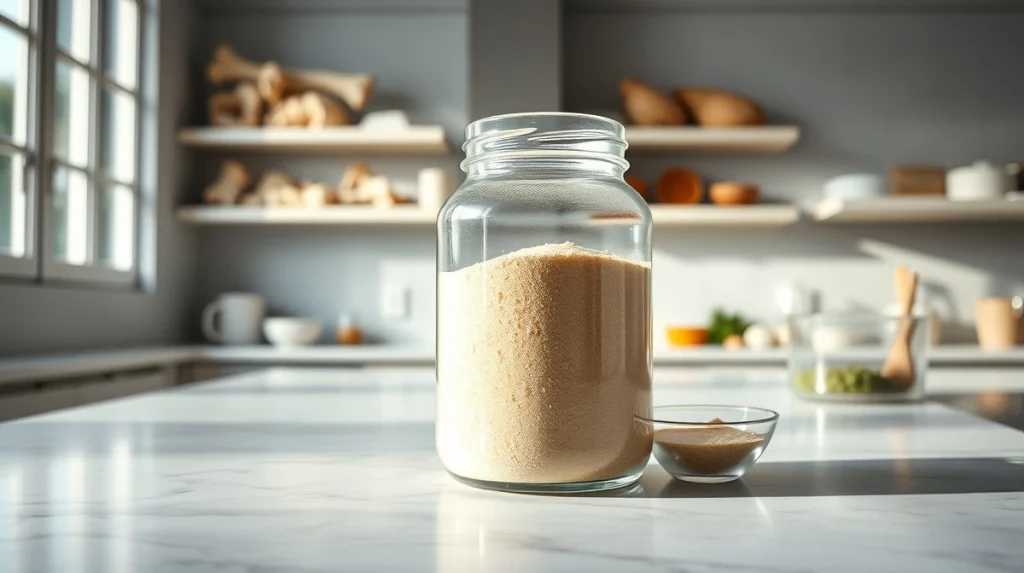
The global health and wellness market has undergone a significant transformation, with one traditional staple emerging as a modern powerhouse: bone broth powder. This once-humble kitchen ingredient has evolved into a high-margin functional component, fueling a multi-billion dollar collagen nutrition sector. Driven by consumer demand for complete health solutions and backed by scientific interest in protein bioavailability, the ascent of bone broth powder represents a major shift in how ancient foods are repurposed for contemporary nutritional science. The market’s growth, particularly evident through 2025 and into early 2026, highlights a broader trend toward clean-label, minimally processed supplements with perceived ancestral benefits.
The Scientific and Market Foundations of Bone Broth Powder
Bone broth powder is created through a process of simmering animal bones and connective tissues, followed by dehydration and milling. This process concentrates key compounds like collagen, gelatin, and amino acids such as glycine and proline. Consequently, the final product serves as a convenient source of hydrolyzed collagen peptides. Market analysts note that the functional ingredient category, which includes such powders, has seen consistent double-digit growth since the early 2020s. This growth is not isolated; it parallels increased consumer literacy regarding gut health, joint support, and skin elasticity. Industry reports from 2025 confirm that Asia-Pacific regions, alongside North America, are primary drivers of demand, often citing cultural familiarity with bone-based soups in local cuisines as a foundational factor.
Also read: M Series ANC Token Presale Launches with Detailed Vesting
Several key properties define bone broth powder as a functional ingredient:
- High Bioavailability: The hydrolysis process during production breaks down collagen into smaller peptides, which are more easily absorbed by the human body compared to standard gelatin.
- Versatile Application: Its neutral flavor and solubility allow for incorporation into diverse products, from protein shakes and soups to snack bars and ready-to-drink beverages.
- Clean-Label Appeal: As a single-ingredient product derived from a whole food, it aligns with consumer preferences for minimal processing and recognizable components.
Economic Drivers Behind the High-Margin Status
The transition of bone broth from a culinary item to a high-margin functional ingredient is rooted in distinct economic factors. First, the production scale and efficiency have improved dramatically. Large-scale manufacturers have optimized rendering and drying technologies, reducing per-unit costs while increasing yield. Second, the value addition is substantial. Raw bones, often a by-product of the meat industry, are transformed into a shelf-stable powder that commands a price premium in the wellness market. Third, branding and marketing have successfully positioned the powder within the ‘ancestral health’ and ‘paleo’ diet movements, allowing companies to employ premium pricing strategies.
Also read: Pepeto Presale Attracts Investor Interest Amid Meme Coin Rally
Analyzing the Supply Chain and Profitability
A simplified analysis of the margin structure reveals why this category is so attractive to food and supplement companies. Sourcing bones from regulated slaughterhouses provides a low-cost raw material input. The proprietary dehydration and filtration processes then create the intellectual property and technical barrier that support higher margins. Finally, B2B sales to other manufacturers for use in composite products, such as functional soups or meal replacements, provide a stable, high-volume revenue stream. Financial disclosures from publicly traded nutrition companies in late 2025 showed that functional ingredient divisions, often including collagen and bone broth products, frequently outperformed other segments in profitability.
Consumer Trends and the Functional Foods Boom
The rise of bone broth powder is inextricably linked to the larger functional foods revolution. Modern consumers increasingly seek food that provides specific health benefits beyond basic nutrition—a concept known as ‘food as medicine.’ Collagen, the primary protein in bone broth, is directly marketed for its purported benefits for skin, hair, nails, and joint cartilage. Social media and influencer marketing have played important roles in educating consumers and creating demand. Furthermore, the powder format meets the demand for convenience without sacrificing the perceived ‘wholesomeness’ of a traditional, slow-cooked broth. Retail tracking data up to March 2026 indicates sustained growth in the powder segment, even as liquid ready-to-drink bone broth products also gain shelf space.
The table below contrasts key attributes of traditional liquid broth and modern broth powder:
| Attribute | Traditional Liquid Broth | Bone Broth Powder |
|---|---|---|
| Shelf Life | Refrigerated days or frozen months | Stable for 18-24 months at room temperature |
| Portability & Convenience | Low; requires refrigeration | High; lightweight, single-serve packets |
| Manufacturing & Distribution Cost | Higher (weight, refrigeration) | Lower (lightweight, ambient storage) |
| Application in Food Manufacturing | Limited, adds water content | Versatile, can be dry-blended |
Regulatory Sector and Quality Considerations
As with any booming ingredient category, quality and regulation present ongoing challenges. In the United States, bone broth powder falls under the regulatory purview of the FDA as a food or dietary supplement, depending on its labeling and claims. There are no standardized identity definitions for ‘bone broth’ itself, leading to variability in protein content, sourcing, and processing methods among brands. Industry groups have begun developing voluntary quality seals to denote factors like collagen peptide content, sourcing (e.g., grass-fed, organic), and heavy metal testing. These quality markers directly support the high-margin model, as consumers demonstrate willingness to pay more for products with verified purity and potency. Regulatory bodies in Europe and Asia have also increased scrutiny on collagen and protein supplement claims, influencing global marketing strategies.
The Role of Sustainability and Ethical Sourcing
Another factor bolstering the premium positioning of bone broth powder is the emphasis on sustainable sourcing. Utilizing bones that might otherwise be waste products aligns with circular economy principles, a strong marketing point. Leading brands prominently feature commitments to animal welfare, regenerative agriculture, and traceable supply chains. This ethical dimension adds another layer of value, allowing the ingredient to cater to environmentally conscious consumers and command corresponding price points. Lifecycle assessments conducted in 2025 highlighted the reduced environmental footprint of upcycling this by-product compared to producing novel protein isolates.
Future Trajectory and Market Challenges
Looking forward from early 2026, the bone broth powder market faces both opportunities and headwinds. Continued innovation in flavor masking, instantization, and combination with other functional ingredients like adaptogens or probiotics is likely. However, market saturation is a growing concern, with numerous brands competing on similar claims. Ingredient cost volatility, driven by global meat production cycles, can pressure margins. Furthermore, scientific research is ongoing to further substantiate specific health claims, which will be critical for long-term consumer trust and regulatory compliance. The ingredient’s future may depend on its integration into next-generation food products, moving beyond simple powder canisters into more sophisticated functional food applications.
Conclusion
The journey of bone broth powder from a traditional culinary base to a high-margin functional ingredient encapsulates the modern collagen nutrition revolution. Its success is built on a confluence of factors: advancing food science, savvy marketing aligned with wellness trends, efficient supply chain economics, and a strong consumer desire for natural, functional nutrition. As the market matures, differentiation through quality, sustainability, and innovative applications will determine which brands and manufacturers sustain their lucrative position. The story of bone broth powder is a clear indicator of how ancient wisdom, when fused with contemporary technology and marketing, can create substantial value In the present global health economy.
FAQs
Q1: What is the primary nutritional component in bone broth powder that drives its popularity?
The primary component is collagen, specifically hydrolyzed collagen peptides. During the production of the powder, the collagen from bones and connective tissues is broken down into smaller, more bioavailable peptides that the body can easily absorb and utilize for supporting skin, joint, and gut health.
Q2: Why is bone broth powder considered a high-margin ingredient for food manufacturers?
It is considered high-margin because it transforms a low-cost by-product (bones) into a stable, versatile, and premium-priced powder. The processing adds significant value, and the final product can be sold at a substantial markup to both consumers and other food companies for use in composite products like soups, snacks, and supplements.
Q3: How does bone broth powder differ from regular collagen supplements?
While both provide collagen peptides, bone broth powder is marketed as a whole-food-derived ingredient, often containing a broader spectrum of minerals and amino acids (like glycine and proline) from the bones and marrow. Standard collagen supplements are typically more refined isolates. The powder also carries the culinary and ‘ancestral health’ connotations of traditional broth.
Q4: What are the main challenges facing the bone broth powder industry?
Key challenges include a lack of standardized definitions leading to product variability, potential saturation in the consumer market, volatility in raw material (bone) costs, and the need for more reliable, long-term clinical research to substantiate specific health claims made by some brands.
Q5: Is the growth of bone broth powder a global trend?
Yes, it is a global trend, but with regional variations. Growth has been particularly strong in North America and the Asia-Pacific region. In Asia, the trend is often bolstered by existing culinary traditions of bone-based soups, while in Western markets, it is more closely tied to the wellness, paleo, and functional food movements.

This article was produced with AI assistance and reviewed by our editorial team for accuracy and quality.