Bithumb Investment Watchlist Triggers Scrutiny for WITCH, TALK, and HVH Tokens
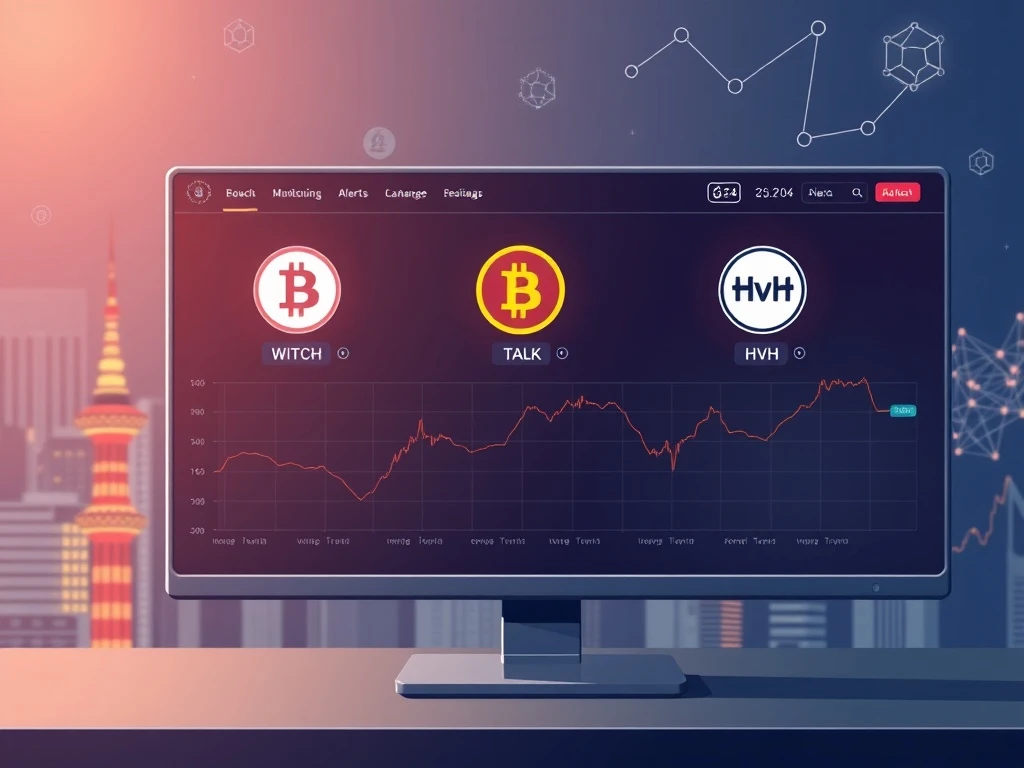
SEOUL, South Korea – In a significant regulatory move, leading South Korean cryptocurrency exchange Bithumb has officially placed three digital assets – Witch Token (WITCH), Talken (TALK), and Havah (HVH) – on its investment watchlist, triggering immediate market attention and raising questions about exchange oversight mechanisms. This action represents a proactive monitoring strategy by one of Asia’s most influential trading platforms, potentially signaling broader industry trends for 2025.
Bithumb Investment Watchlist Explained
Bithumb’s investment watchlist functions as an early warning system for traders. The exchange implements this mechanism to flag assets requiring additional scrutiny. Consequently, listed tokens undergo enhanced monitoring for unusual trading patterns or compliance issues. Furthermore, this process helps maintain market integrity on the platform. The watchlist designation typically precedes more severe actions like trading suspensions or delistings if concerns persist.
Also read: Bitcoin Capital Rotation Triggers Critical Signal, Points to $41,400 Price Floor
South Korean exchanges operate under strict Financial Services Commission (FSC) guidelines. These regulations mandate resilient investor protection measures. Bithumb’s watchlist system directly responds to these regulatory expectations. The platform monitors several key indicators before placing assets on watch:
- Trading volume anomalies – Sudden spikes or drops without clear catalysts
- Project development activity – GitHub commits, roadmap progress, team communications
- Community concerns – User reports and social media sentiment analysis
- Market manipulation signs – Wash trading or pump-and-dump pattern detection
- Regulatory compliance status – Adherence to local and international standards
Analyzing the Three Flagged Tokens
Each token on Bithumb’s watchlist represents distinct blockchain sectors. Understanding their fundamentals provides vital context for this regulatory action.
Witch Token (WITCH) – Gaming and NFT Ecosystem
Witch Token operates within the gaming and non-fungible token (NFT) marketplace sector. The project powers the WitchQuest gaming platform. Players utilize WITCH for in-game purchases and NFT transactions. Recently, the token experienced notable volatility. Trading volumes surged 300% last month before abruptly declining. This pattern likely triggered Bithumb’s monitoring algorithms.
The WitchQuest platform launched its beta version in late 2024. User adoption metrics showed promising initial growth. However, development updates became less frequent recently. The project’s GitHub repository shows reduced activity over the past eight weeks. These factors combined to raise legitimate monitoring concerns.
Talken (TALK) – Multi-Chain NFT Marketplace
Talken positions itself as a comprehensive NFT marketplace solution. The platform supports multiple blockchain networks. These include Ethereum, Klaytn, and Polygon. TALK tokens allow marketplace transactions and governance voting. The project completed a successful funding round in 2023. It secured $5.8 million from prominent venture capital firms.
Despite strong backing, Talken faces intense marketplace competition. OpenSea and Blur dominate the NFT sector globally. Regional competitors like Upbit’s NFT platform also challenge Talken’s market position. Bithumb’s watchlist placement may reflect concerns about sustainable competitive advantages. Alternatively, it could indicate unusual trading patterns requiring investigation.
Havah (HVH) – Interoperability Protocol
Havah develops blockchain interoperability solutions. The project enables cross-chain transactions and communications. Its mainnet launched successfully in early 2024. Technical assessments generally praise Havah’s architecture. The protocol demonstrates genuine innovation in cross-chain messaging.
However, HVH token economics present potential concerns. The circulating supply remains relatively low at 15%. This concentration could enable price manipulation. Additionally, several large wallet addresses hold significant HVH allocations. These holders could potentially coordinate trading activities. Bithumb’s monitoring likely focuses on these supply distribution factors.
Market Impact and Trader Implications
Bithumb’s announcement immediately affected trading dynamics. WITCH prices dropped 12% following the news. TALK declined 8%, while HVH fell 9%. These movements demonstrate market sensitivity to exchange monitoring actions. Historically, watchlist placements create short-term volatility. However, they don’t necessarily predict long-term project failure.
Traders should consider several practical implications:
- Increased scrutiny – All three tokens will face enhanced exchange monitoring
- Potential restrictions – Bithumb may implement trading limits if concerns escalate
- Information requirements – Projects must provide additional documentation to the exchange
- Market sentiment effects – Other exchanges often review similarly flagged assets
The table below summarizes key metrics for the affected tokens:
| Token | Sector | Current Price | 24h Volume Change | Watchlist Reason |
|---|---|---|---|---|
| WITCH | Gaming/NFT | $0.42 | -45% | Volume anomalies |
| TALK | NFT Marketplace | $1.18 | -32% | Competitive pressures |
| HVH | Interoperability | $0.87 | -28% | Supply concentration |
Regulatory Context and Industry Trends
Bithumb’s action aligns with broader regulatory developments. South Korea continues strengthening cryptocurrency oversight. The Digital Asset Basic Act takes full effect in 2025. This legislation mandates enhanced investor protections. Exchanges must implement sophisticated monitoring systems. Bithumb’s watchlist represents compliance with these upcoming requirements.
Globally, exchange monitoring practices are evolving rapidly. Binance and Coinbase employ similar watchlist mechanisms. However, criteria and transparency levels vary significantly. South Korean exchanges generally maintain stricter standards. They often act more conservatively than international counterparts. This approach reflects the country’s cautious regulatory history following previous exchange failures.
Industry experts note several emerging trends:
- Proactive monitoring – Exchanges increasingly flag assets before problems escalate
- Transparency improvements – Public watchlist announcements becoming more common
- Standardization efforts – Industry groups developing consistent monitoring criteria
- Automated surveillance – AI and machine learning enhancing detection capabilities
Project Responses and Next Steps
All three affected projects issued official statements. Witch Token developers emphasized ongoing platform development. They announced accelerated roadmap milestones. The team committed to weekly development updates. Additionally, they proposed enhanced communication with exchange compliance teams.
Talken’s leadership highlighted recent platform upgrades. They referenced increased user metrics and partnership announcements. The project plans to submit comprehensive documentation to Bithumb. This includes detailed financial and development reports.
Havah’s team addressed supply concentration concerns directly. They proposed a revised token distribution schedule. The new plan accelerates vesting for several large holders. This approach aims to increase circulating supply gradually. The team believes this will address exchange monitoring concerns effectively.
Conclusion
Bithumb’s decision to place WITCH, TALK, and HVH on its investment watchlist demonstrates evolving exchange oversight practices. This action reflects both regulatory compliance and market protection priorities. The three tokens now face enhanced scrutiny and must address exchange concerns promptly. Market participants should monitor developments closely while recognizing that watchlist placement represents precautionary monitoring rather than definitive condemnation. As cryptocurrency regulation matures globally, such exchange-led monitoring mechanisms will likely become increasingly standardized and transparent.
FAQs
Q1: What does Bithumb’s investment watchlist mean for traders?
Bithumb’s investment watchlist signals that the exchange has identified potential concerns with specific tokens. Traders should exercise additional caution with these assets, monitor exchange communications closely, and review project fundamentals thoroughly before making investment decisions.
Q2: How long do tokens typically remain on Bithumb’s watchlist?
Watchlist duration varies case by case. Projects can resolve concerns within weeks or remain listed for months. Bithumb reviews watchlist status regularly based on project responses, market behavior, and compliance improvements.
Q3: Does watchlist placement guarantee eventual delisting?
No, watchlist placement does not guarantee delisting. Many projects address exchange concerns successfully and resume normal trading status. The watchlist serves as an intermediate warning mechanism before potential delisting proceedings.
Q4: How does Bithumb’s watchlist compare to other exchanges?
Bithumb maintains particularly stringent watchlist criteria compared to many international exchanges. South Korean platforms generally implement more conservative monitoring approaches due to strict local regulations and past market incidents.
Q5: Can tokens be removed from the watchlist?
Yes, tokens can be removed from Bithumb’s watchlist. Projects must typically demonstrate resolution of identified concerns through improved transparency, compliance documentation, stable trading patterns, and continued development progress.

This article was produced with AI assistance and reviewed by our editorial team for accuracy and quality.