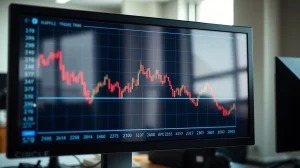
Bitcoin Social Sentiment Plunges to 4-Year Low: A Stunning Contrarian Signal Emerges

Global cryptocurrency markets witnessed a significant psychological shift this week as Bitcoin social sentiment plummeted to its lowest level since 2021, creating what analysts describe as a potentially historic contrarian signal for the world’s largest cryptocurrency. This dramatic decline in online discussion sentiment coincides with extreme market capitulation metrics that historically precede major trend reversals.
Bitcoin Social Sentiment Reaches Critical Threshold
According to data from multiple sentiment analysis platforms, Bitcoin’s social sentiment score dropped to -0.87 on a standardized scale from -1 to +1. This represents the most negative reading since March 2021, when Bitcoin traded near $60,000 before its subsequent decline. The sentiment measurement aggregates data from major social platforms including Twitter, Reddit, and specialized cryptocurrency forums. Furthermore, the volume of negative sentiment mentions increased by 47% month-over-month while positive mentions decreased by 32% during the same period.
Also read: Operation Atlantic: Global Law Enforcement Shatters $45M Crypto Fraud Ring
Market analysts immediately noted the historical significance of this development. Historically, extreme negative sentiment has frequently coincided with major market bottoms. For instance, similar sentiment extremes occurred in December 2018 before Bitcoin’s 300% rally and again in March 2020 preceding the pandemic-era bull market. The current sentiment reading now sits below both those historical benchmarks.
Understanding the Capitulation Metrics
Several key metrics confirm the extreme capitulation environment accompanying the sentiment decline. The Bitcoin Fear and Greed Index registered a reading of 12, firmly in “Extreme Fear” territory for 14 consecutive days. Additionally, exchange net flows show significant Bitcoin accumulation by long-term holders while short-term traders continue selling. On-chain data reveals that approximately 15% of Bitcoin supply has moved at a loss during recent transactions, a level typically associated with capitulation phases.
Also read: Spartans.com Shatters Norms with $7 Million Leaderboard Launch, Rewriting Online Gambling Rules
The Historical Context of Sentiment Extremes
Historical analysis reveals consistent patterns between social sentiment extremes and market turning points. During the 2017-2018 cycle, Bitcoin sentiment reached similar lows in December 2018, just weeks before the cryptocurrency began its recovery from $3,200 to nearly $14,000. Similarly, the March 2020 sentiment collapse preceded a 700% price increase over the following 18 months. Current sentiment metrics now exceed both previous extremes in magnitude and duration.
Market structure analysis provides additional context. The Bitcoin network’s hash rate continues reaching all-time highs despite price weakness, indicating strong fundamental network health. Moreover, institutional accumulation patterns show increased buying from long-term investors during recent price declines. These factors combine with sentiment data to create what analysts describe as a “textbook contrarian setup.”
Expert Analysis and Market Implications
Financial analysts emphasize the distinction between sentiment-driven trading and fundamental analysis. While sentiment indicators provide psychological context, they must be considered alongside traditional metrics. Several prominent market observers have noted that current conditions resemble previous accumulation phases where sophisticated investors accumulated positions during periods of retail investor pessimism.
The regulatory environment adds another layer to current market dynamics. Recent institutional adoption milestones, including spot Bitcoin ETF approvals in multiple jurisdictions, have created structural support absent during previous sentiment extremes. This institutional framework may potentially amplify the significance of current sentiment readings as traditional finance metrics increasingly influence cryptocurrency markets.
Technical Indicators and Market Structure
Technical analysis reveals several converging signals. Bitcoin’s 200-week moving average, historically a reliable support level during bear markets, continues to provide underlying support. Additionally, the Mayer Multiple, which compares current price to the 200-day moving average, sits at levels associated with previous accumulation zones. These technical factors, combined with sentiment extremes, create what quantitative analysts describe as a “high-probability reversal setup.”
Market liquidity conditions further support the contrarian thesis. Exchange reserves continue declining as long-term holders withdraw Bitcoin from trading platforms, reducing available supply. Simultaneously, derivatives market data shows decreasing employ and more conservative positioning among professional traders. These conditions typically precede significant market moves as excess speculation gets removed from the system.
Comparative Analysis with Traditional Markets
The current Bitcoin sentiment extreme occurs within a broader financial market context. Traditional risk assets, including technology stocks and growth equities, have experienced similar sentiment deterioration during recent months. However, cryptocurrency sentiment has declined more sharply than comparable traditional market indicators. This divergence suggests that cryptocurrency markets may be experiencing exaggerated psychological reactions compared to traditional financial markets.
Historical correlation patterns provide additional perspective. During previous market cycles, Bitcoin sentiment extremes frequently preceded similar movements in traditional risk assets. The current decoupling between cryptocurrency and traditional market sentiment represents an unusual development that market participants are monitoring closely. This divergence could signal either a leading indicator function for Bitcoin or unique cryptocurrency-specific dynamics.
Behavioral Finance Perspectives
Behavioral finance experts highlight the psychological mechanisms driving current sentiment conditions. The “disposition effect,” where investors hold losing positions too long and sell winning positions too quickly, appears particularly pronounced in current market conditions. Additionally, recency bias amplifies negative sentiment as market participants overweight recent price declines relative to historical patterns. These behavioral factors contribute to sentiment extremes that often precede market reversals.
Market structure evolution adds complexity to sentiment analysis. The increasing institutional participation in cryptocurrency markets has changed sentiment dynamics compared to previous cycles. Institutional investors typically exhibit different behavioral patterns than retail participants, potentially altering the historical relationship between sentiment extremes and market turning points. This structural evolution requires updated analytical frameworks for interpreting current sentiment data.
Conclusion
Bitcoin social sentiment reaching a 4-year low represents a significant market development with historical precedents suggesting potential trend reversal implications. The extreme sentiment reading coincides with multiple capitulation metrics and technical indicators that together create a compelling contrarian signal. While sentiment analysis provides valuable psychological context, market participants should consider these indicators alongside fundamental and technical factors. The current environment demonstrates how behavioral finance principles manifest in cryptocurrency markets, potentially creating opportunities for investors who can separate sentiment from fundamentals. As always, proper risk management remains essential when addressing extreme market conditions.
FAQs
Q1: What does “social sentiment” measure in cryptocurrency markets?
Social sentiment quantifies the emotional tone of online discussions about specific assets. Analysis platforms use natural language processing to score mentions as positive, negative, or neutral across social media platforms, forums, and news sources.
Q2: How reliable are sentiment extremes as market timing indicators?
While sentiment extremes frequently coincide with market turning points, they should not be used in isolation. Historical analysis shows sentiment works best when combined with other indicators including on-chain data, technical analysis, and fundamental metrics.
Q3: What is “capitulation” in financial markets?
Capitulation describes a period when investors surrender to market declines and sell positions regardless of value. This often creates oversold conditions and frequently precedes market recoveries as weak hands exit positions.
Q4: How does current sentiment compare to previous Bitcoin market cycles?
Current sentiment readings exceed most previous extremes in both magnitude and duration. The -0.87 sentiment score represents the lowest reading since 2021 and sits below levels seen during the 2018 and 2020 market bottoms.
Q5: What other indicators should investors monitor alongside sentiment?
Investors should consider on-chain metrics like exchange flows and holder behavior, technical indicators including moving averages and volume analysis, fundamental factors like hash rate and adoption metrics, and broader market conditions including traditional financial market correlations.

This article was produced with AI assistance and reviewed by our editorial team for accuracy and quality.