Bitcoin Price Prediction: Analyzing Exchange Ecosystem Evolution as Market Dynamics Shift in Early 2026

As cryptocurrency markets navigate the first quarter of 2026, Bitcoin price predictions remain a central focus for investors while exchange ecosystems undergo significant evolution. Market analysts observe shifting dynamics across multiple blockchain platforms, with emerging exchange solutions gaining attention alongside established networks facing technical and market challenges.
Bitcoin Market Context and Current Price Analysis
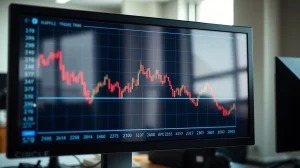
Bitcoin continues to demonstrate its position as the dominant cryptocurrency by market capitalization through early 2026. The digital asset has maintained relative stability compared to previous volatile periods, with trading volumes reflecting sustained institutional interest. According to market data from March 2026, Bitcoin’s price action shows consolidation within a defined range, prompting varied predictions from financial analysts.
Also read: M Series ANC Token Presale Launches with Detailed Vesting
Several factors influence current Bitcoin price predictions. Regulatory developments in major economies, institutional adoption metrics, and macroeconomic conditions all contribute to analyst assessments. The cryptocurrency’s historical performance during similar market phases provides additional context for projections. Market sentiment indicators suggest cautious optimism among long-term investors despite short-term price fluctuations.
Exchange Ecosystem Evolution and Emerging Platforms
The cryptocurrency exchange landscape continues to diversify as new platforms seek to address limitations of existing infrastructure. Exchange ecosystems now encompass more than simple trading interfaces, integrating decentralized finance protocols, cross-chain functionality, and enhanced security features. This evolution responds to growing user demand for comprehensive digital asset management solutions.
Also read: Pepeto Presale Attracts Investor Interest Amid Meme Coin Rally
Emerging exchange platforms focus on specific market segments. Some prioritize institutional-grade services with advanced trading tools and compliance features. Others emphasize user experience for retail investors through simplified interfaces and educational resources. The competitive landscape drives innovation in areas including transaction speed, fee structures, and asset support.
Technical Infrastructure and Market Position Analysis
Exchange platforms require robust technical foundations to handle increasing transaction volumes and security demands. Infrastructure decisions significantly impact platform reliability during periods of high market volatility. Performance metrics from early 2026 show varying capabilities across different exchange architectures.
Market position analysis reveals that established exchanges maintain significant advantages in liquidity and user base. However, emerging platforms often demonstrate greater flexibility in implementing new features and responding to market trends. This dynamic creates ongoing competition that benefits users through improved services and competitive pricing.
Solana Network Performance and Market Assessment
The Solana blockchain has maintained its position as a leading smart contract platform through early 2026, though performance metrics show mixed results. Network activity data indicates consistent transaction volumes with occasional congestion during peak periods. The platform’s technical architecture continues to support diverse decentralized applications despite competitive pressures.
Solana’s native token (SOL) has demonstrated price stability relative to broader market movements. Trading patterns show sustained developer and user engagement with the ecosystem. Network upgrades implemented throughout 2025 and early 2026 have addressed previous technical challenges, though scalability remains an ongoing focus for development teams.
Monad Blockchain Development and Current Challenges
The Monad blockchain project faces technical and adoption hurdles as it progresses through development phases. Originally positioned as a high-performance Ethereum-compatible layer-1 solution, the platform has encountered implementation delays that affect its market positioning. Development updates through March 2026 indicate continued work on core protocol features.
Market reception of Monad reflects typical patterns for emerging blockchain infrastructure projects. Initial enthusiasm has given way to more measured assessment as technical details become clearer. The project’s success depends on delivering promised performance improvements while building developer and user communities in a competitive landscape.
Comparative Analysis of Blockchain Platforms
Different blockchain platforms serve varied market needs through early 2026. The table below summarizes key characteristics:
| Platform | Primary Focus | Current Status | Market Position |
|---|---|---|---|
| Bitcoin | Store of value / Digital gold | Established dominance | Market leader |
| Ethereum | Smart contracts / dApps | Post-upgrade scaling | Developer favorite |
| Solana | High throughput applications | Stable operation | Established alternative |
| Emerging platforms | Niche solutions | Development phase | Market testing |
This comparative framework helps investors understand different value propositions within the cryptocurrency ecosystem. Each platform addresses specific use cases with varying degrees of maturity and market acceptance.
Market Dynamics and Investment Considerations
Cryptocurrency investment requires careful analysis of multiple factors beyond simple price prediction. Market participants in early 2026 consider several key elements:
- Technical fundamentals: Blockchain performance, security features, and development activity
- Market metrics: Trading volume, liquidity, and adoption rates
- Regulatory environment: Compliance requirements and legal frameworks
- Competitive landscape: Relative positioning among similar platforms
- Economic context: Macroeconomic factors affecting digital asset valuation
These considerations help investors make informed decisions amid market uncertainty. Historical patterns provide context but cannot guarantee future performance in this rapidly evolving sector.
Conclusion
Bitcoin price predictions remain uncertain despite improved market analytics tools and data availability. The cryptocurrency exchange ecosystem continues evolving to meet user needs while blockchain platforms like Solana and Monad navigate distinct development challenges. Market participants in early 2026 benefit from increased infrastructure maturity but face ongoing volatility and competitive pressures. Informed investment decisions require continuous monitoring of technical developments, regulatory changes, and market dynamics across the digital asset landscape.
FAQs
Q1: What factors most influence Bitcoin price predictions in early 2026?
Bitcoin price predictions consider multiple factors including institutional adoption rates, regulatory developments in major economies, macroeconomic conditions, network activity metrics, and historical price patterns during similar market phases.
Q2: How are cryptocurrency exchanges evolving in 2026?
Exchange platforms are expanding beyond basic trading to offer integrated services including decentralized finance protocols, cross-chain functionality, enhanced security features, and comprehensive asset management solutions for different user segments.
Q3: What is the current status of the Solana blockchain?
Solana maintains its position as a leading smart contract platform with consistent network activity and ongoing technical development. The platform has addressed previous congestion issues through upgrades and continues supporting diverse decentralized applications.
Q4: What challenges does the Monad blockchain project face?
The Monad project encounters typical development hurdles for new blockchain infrastructure, including implementation delays, technical complexity, and the challenge of building developer and user communities in a competitive market.
Q5: How should investors evaluate cryptocurrency opportunities in 2026?
Investors should analyze technical fundamentals, market metrics, regulatory environments, competitive positioning, and economic contexts while recognizing the inherent volatility and uncertainty in digital asset markets.

This article was produced with AI assistance and reviewed by our editorial team for accuracy and quality.