Bitcoin Confronts Ominous Bear Market Rally as 2026 Mirrors 2022’s Critical Breakdown Pattern
Global cryptocurrency markets face a key moment in December 2025 as Bitcoin’s 21% recovery from November lows confronts alarming historical parallels with the 2022 bear market collapse. Despite recent gains pushing BTC toward $97,900, on-chain analytics reveal troubling similarities that could determine whether this represents genuine recovery or another deceptive bear market rally before significant downward pressure. The $101,000 yearly moving average now emerges as the definitive battleground between bullish resurgence and extended bearish continuation.
Bitcoin’s Critical Bear Market Rally Test at $101,000
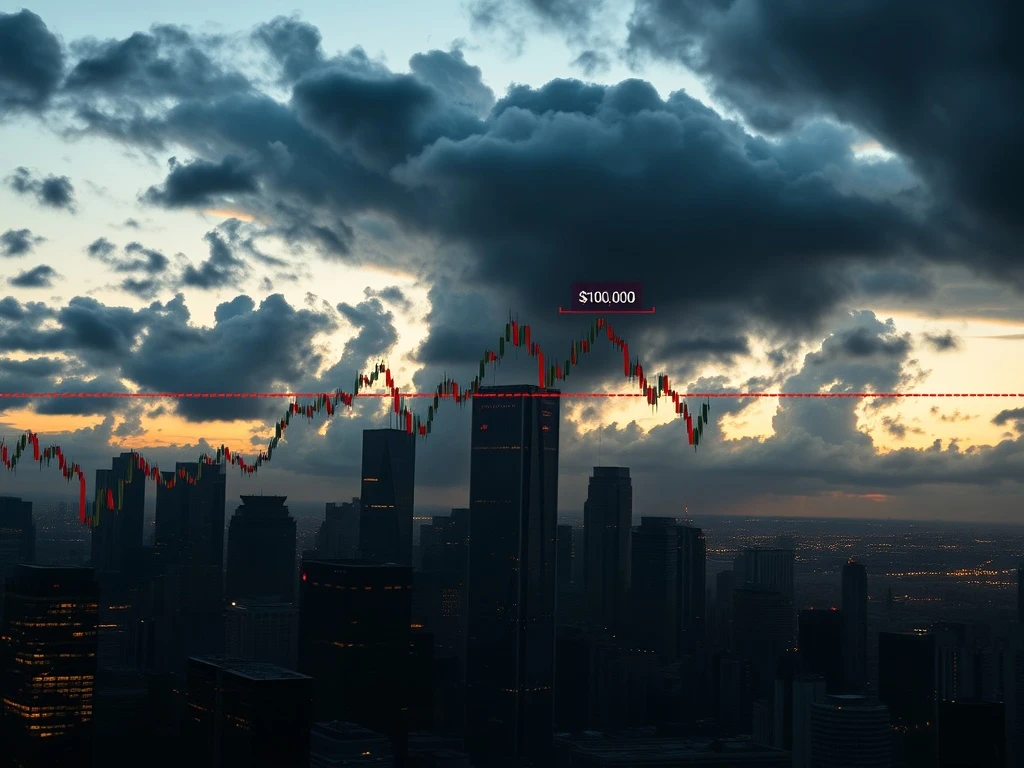
CryptoQuant’s latest weekly research delivers a sobering assessment of current market conditions. The analytics platform identifies precise technical parallels between Bitcoin’s current behavior and its 2022 bear market structure. Specifically, Bitcoin declined 19% after crossing below its 365-day moving average, then rallied 19% to approach that same indicator at $101,000. This pattern mirrors the 2022 scenario where BTC declined 27% below the yearly average, rallied 47%, then faced rejection at that critical level.
Also read: Litecoin Price Tests Critical Support: Will the $43 Floor Hold for a 2026 Breakout?
Market technicians emphasize the psychological importance of the $101,000 threshold. This level represents not just a technical indicator but a fundamental sentiment divider between bull and bear regimes. Historical data shows that sustained trading above the 365-day moving average typically signals long-term bullish momentum, while consistent rejection indicates underlying weakness. The current approach to this level occurs amidst increasing exchange inflows, suggesting some investors anticipate potential resistance.
Exchange Inflows Signal Escalating Selling Pressure
On-chain metrics reveal concerning developments in Bitcoin’s supply dynamics. Exchange inflows have accelerated to a 7-day average of 39,000 BTC, marking the highest volume since November 25, 2025. This substantial movement toward trading platforms traditionally indicates increasing selling intent among holders. Analysts monitor these flows because exchanges serve as liquidation gateways, with higher deposits often preceding increased market selling.
Also read: Dogecoin RSI Hits Historic Bottom Zone: Can the Meme Coin Recover?
The timing of these inflows coincides precisely with Bitcoin’s approach to the critical moving average. This correlation suggests experienced market participants may be positioning for potential resistance at $101,000. Historical patterns show similar inflow spikes preceded significant price corrections during previous market cycles. The current volume represents a measurable shift from the accumulation patterns observed during November’s lows.
Technical Analysis: 2022 vs. 2026 Structural Comparison
Detailed chart analysis reveals structural similarities between the current market and the 2022 bear market unfolding. Both periods feature initial breakdowns below the yearly average, followed by substantial but ultimately deceptive rallies. The 2022 rally reached 47% before rejection, while the current rally has achieved 21% as of December 2025. Market structure analysts note that the 2022 rejection initiated a prolonged downturn that eventually found bottom near $15,000.
Technical indicators beyond price action reinforce concerning parallels. Trading volume patterns, volatility metrics, and derivative market positioning all show similarities to previous bear market rallies rather than genuine trend reversals. The relative weakness during this rally compared to 2022’s 47% bounce raises questions about underlying buying strength. Additionally, the rally has occurred on decreasing volume divergence, suggesting limited institutional participation.
| Metric | 2022 Pattern | 2026 Pattern (Current) |
|---|---|---|
| Initial Decline Below MA | 27% | 19% |
| Subsequent Rally | 47% | 21% |
| MA Resistance Level | $47,200 | $101,000 |
| Exchange Inflow Spike | Yes, before rejection | Yes, current development |
| Market Sentiment at Peak | “Super-cycle” expectations | Similar optimistic narratives |
Fundamental Indicators Contradict Short-Term Optimism
Beyond technical patterns, fundamental metrics suggest caution despite recent price appreciation. Network activity metrics, including active addresses and transaction volumes, show only modest improvement compared to price gains. This divergence often indicates speculative trading rather than organic network growth. Additionally, miner revenue metrics and hash rate adjustments suggest industry participants remain cautious about forward projections.
Macroeconomic conditions in December 2025 present additional headwinds. Global monetary policy remains restrictive across major economies, with central banks maintaining higher interest rates to combat persistent inflation. This environment historically pressures risk assets like cryptocurrencies. Traditional safe-haven assets, particularly gold, have outperformed Bitcoin throughout 2025, suggesting investors prefer established stores of value during current economic uncertainty.
Key fundamental concerns include:
- Regulatory developments creating jurisdictional uncertainty
- Institutional adoption pace slowing compared to 2023-2024
- Derivative market positioning showing excessive apply
- Macroeconomic indicators favoring defensive assets
Market Psychology: The Danger of Narrative-Driven Trading
Current market sentiment displays dangerous similarities to the 2022 period preceding significant decline. During that previous bear market rally, popular narratives included “super-cycle” theories and “four-year cycle invalidation” claims. Similar optimistic narratives have emerged recently despite concerning technical and fundamental indicators. This psychological pattern often marks intermediate tops as retail enthusiasm peaks while smart money distributes positions.
Social media analysis reveals increasing bullish sentiment coinciding with Bitcoin’s approach to $100,000. This sentiment extreme often precedes reversals when combined with concerning technical developments. The divergence between popular narrative and underlying metrics represents a classic warning sign identified by behavioral finance researchers. Market participants frequently underestimate how psychological factors can extend bear markets beyond fundamental justification.
Historical Context: Bitcoin’s Bear Market Recovery Patterns
Bitcoin’s history includes multiple bear market periods followed by eventual recoveries. The 2014-2015 bear market lasted approximately 410 days with an 86% peak-to-trough decline. The 2018 bear market persisted for 364 days with an 84% decline. The 2022 bear market extended for 376 days with a 77% decline. Each period featured deceptive rallies that trapped bullish investors before final bottoms.
Current market conditions most closely resemble the 2022 structure rather than previous cycles. The similarity extends beyond price action to include derivative market conditions, regulatory environment, and macroeconomic backdrop. However, important differences exist, including Bitcoin’s increased institutional adoption and recognition as a legitimate asset class. These developments may alter historical patterns, though technical indicators suggest traditional dynamics currently dominate.
Potential Scenarios and Price Projections
Market analysts outline several potential paths forward based on the $101,000 resistance test. A decisive breakout above this level with sustained volume could invalidate bear market comparisons and signal genuine recovery. However, rejection at or near this level opens the door to significant downward movement. CryptoQuant’s research references forecasts including potential retreat toward $65,000 during 2026 if bearish patterns complete.
The most concerning scenario involves rejection followed by breakdown below recent lows near $80,500. This would confirm the bear market continuation pattern and likely trigger accelerated selling. Historical analogs suggest such developments could push Bitcoin toward the $60,000-$70,000 range before establishing a durable bottom. Alternatively, sideways consolidation between $85,000 and $100,000 could develop, extending the uncertainty period before eventual directional resolution.
Conclusion
Bitcoin confronts its most significant technical test since the 2022 bear market as price approaches the critical $101,000 yearly moving average. The 21% rally from November lows displays alarming similarities to previous bear market rallies that preceded substantial declines. Exchange inflow data suggests increasing selling pressure may emerge near this resistance level. While breakout possibilities remain, historical patterns and current metrics suggest caution dominates the risk-reward equation. Market participants should monitor the $101,000 level closely, as its resolution will likely determine Bitcoin’s trajectory through 2026 and potentially beyond.
FAQs
Q1: What is a bear market rally in cryptocurrency markets?
A bear market rally refers to a temporary price increase within an overall downward trend. These rallies often trap bullish investors by creating false optimism before prices resume their decline. They typically range from 20% to 50% and occur when markets become oversold during extended downtrends.
Q2: Why is the 365-day moving average so important for Bitcoin?
The 365-day moving average represents the average closing price over the past year, serving as a key indicator of long-term trend direction. Bitcoin has historically used this level to distinguish between bull and bear markets. Sustained trading above suggests bullish momentum, while consistent rejection indicates bearish conditions.
Q3: How do exchange inflows predict potential selling pressure?
Exchange inflows measure Bitcoin moving onto trading platforms where it can be easily sold. Significant increases often indicate holders preparing to liquidate positions. When these inflows spike as prices approach resistance levels, they suggest experienced investors anticipate potential rejection and price decline.
Q4: What were the key characteristics of Bitcoin’s 2022 bear market?
The 2022 bear market featured a 77% decline from all-time highs, lasting approximately 376 days. It included a 47% bear market rally that reversed at the 365-day moving average. The period was characterized by excessive utilize unwinding, institutional contagion events, and aggressive Federal Reserve monetary tightening.
Q5: What would constitute a genuine breakout above the $101,000 resistance?
A genuine breakout requires Bitcoin to close decisively above $101,000 with increasing volume and follow-through buying. Technical analysts typically look for at least three consecutive daily closes above the level with expanding trading activity. The breakout should also show supportive fundamental developments rather than just speculative trading.

This article was produced with AI assistance and reviewed by our editorial team for accuracy and quality.