Bitchat Defies Uganda’s Internet Blackout: Encrypted App Tops Charts Amid Election Communication Crisis
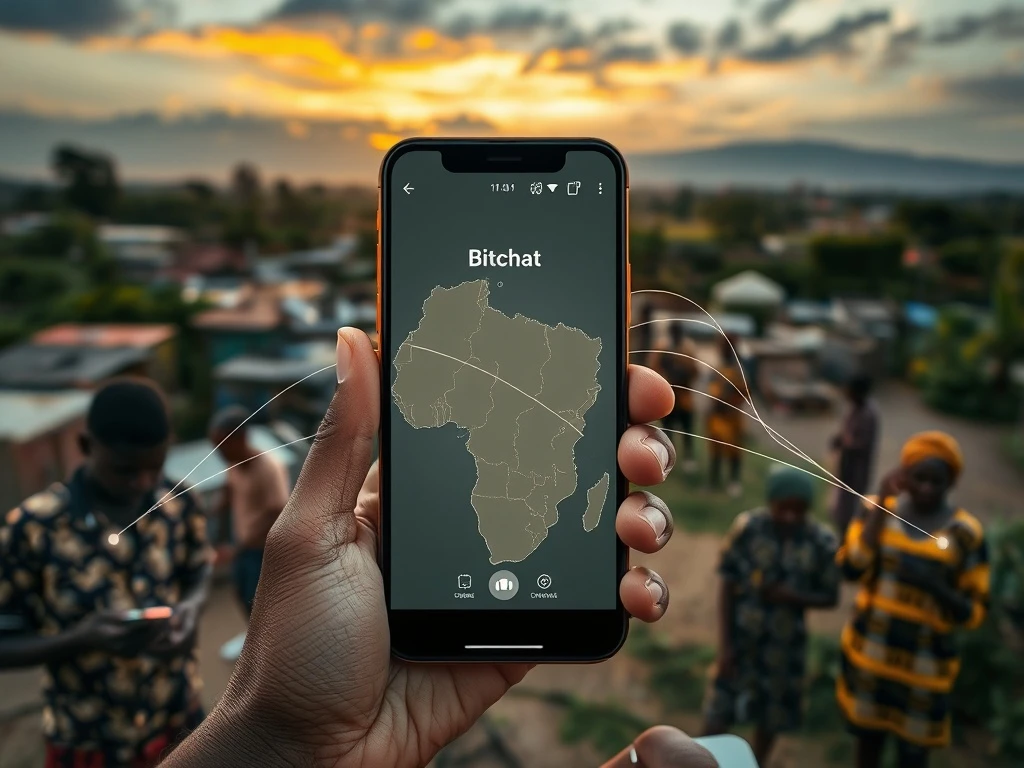
In a dramatic demonstration of technological adaptation, the encrypted messaging application Bitchat has surged to become Uganda’s most-downloaded app as authorities implement a nationwide internet shutdown during the country’s presidential election. This development, confirmed on January 14, 2025, highlights a growing global tension between government-controlled information flows and citizen-driven communication solutions. The internet blackout, which began Tuesday at 6:00 PM local time, marks Uganda’s third consecutive election cycle with restricted digital access, creating unprecedented demand for alternative communication channels.
Bitchat Dominates Ugandan App Charts During Internet Blackout
Uganda Communications Commission executive director Nyombi Thembo officially confirmed the internet restriction through a statement on platform X. Consequently, Bitchat immediately ascended to the number one position in both the Apple App Store and Google Play Store rankings within Uganda. This encrypted messaging platform operates without traditional internet infrastructure by utilizing Bluetooth mesh networking technology. Meanwhile, Virtual Private Network applications also experienced significant download spikes, indicating widespread efforts to circumvent restrictions. Data analytics firm Appfigures provided visual confirmation of Bitchat’s top ranking in Uganda’s free app category.
Also read: Bitcoin ETP Flows Surge: Fidelity's Macro Chief Spots Critical Capital Rotation from Gold
Remarkably, over 400,000 Ugandan users had downloaded Bitchat by January 5 according to data shared by developer Calle. Current figures likely substantially exceed this baseline as election tensions escalate. The application’s architecture enables device-to-device communication within approximately 100-meter ranges, with messages hopping between phones to create decentralized networks. This technical approach fundamentally challenges traditional internet control methodologies employed by governments during sensitive political periods.
Uganda’s Pattern of Election Internet Restrictions
Ugandan authorities have established a clear precedent of digital access limitations during electoral processes. During the 2016 presidential election, long-serving President Yoweri Museveni implemented a nationwide block on internet and social media platforms. Officials cited security concerns and misinformation prevention as primary justifications. Similarly, the 2021 election featured a four-day internet blackout commencing on election night. Government representatives consistently frame these actions as necessary measures for maintaining public order and preventing violence.
Also read: BlockDAG's Defiant $0.000022 Presale Emerges as TRUMP Slumps and TAO Soars
However, digital rights organizations and election observers strongly contest this narrative. Critics argue that internet shutdowns suppress legitimate election-related information, hinder independent monitoring efforts, and potentially enable electoral manipulation. The United Nations Human Rights Council has repeatedly declared internet access a fundamental human right, particularly during democratic processes. Furthermore, research from the Brookings Institution indicates that internet blackouts typically cause significant economic damage, with Uganda’s 2021 shutdown estimated to have cost approximately $9 million daily.
Technical Capabilities and Government Contradictions
Uganda Communications Commission executive director Nyombi Thembo presented contradictory statements regarding both internet availability and technical capabilities. Last week, Thembo explicitly stated “internet will be there” and questioned why citizens would use Bitchat when conventional internet access remained available. Subsequently, he claimed his team possessed the technical capacity to disable Bitchat’s operations, though no such action has materialized. This discrepancy between announced capabilities and implemented actions raises questions about the actual technological constraints facing regulatory bodies.
Digital security experts note that disabling Bluetooth mesh applications presents substantially greater technical challenges compared to conventional internet restrictions. Traditional shutdowns typically involve pressuring internet service providers to limit access at the infrastructure level. Conversely, Bluetooth mesh networks operate independently of centralized infrastructure, creating distributed communication systems that prove remarkably resilient to top-down disruption attempts. This technological reality may explain the gap between regulatory claims and practical implementation.
Global Adoption of Internet-Free Communication Solutions
Bitchat’s Ugandan surge represents merely the latest chapter in the application’s expanding global footprint. The platform has emerged as a critical communication tool in regions experiencing either government-imposed internet restrictions or infrastructure failures. In September 2024, approximately 50,000 Nepalese users adopted Bitchat to bypass temporary social media bans during widespread corruption protests. Similarly, Malagasy citizens utilized the application three weeks later when facing comparable restrictions in Madagascar.
Natural disasters have further demonstrated the utility of offline communication platforms. When Hurricane Melissa struck Jamaica in November 2024 with 185-mile-per-hour winds, the storm devastated conventional communication infrastructure. Consequently, Jamaican residents rapidly adopted Bitchat to coordinate emergency responses, locate missing persons, and share critical safety information. These diverse use cases underscore the growing importance of resilient communication technologies in an increasingly volatile global landscape.
| Location | Date | Context | Estimated Users |
|---|---|---|---|
| Uganda | January 2025 | Presidential election internet shutdown | 400,000+ |
| Nepal | September 2024 | Social media ban during protests | 50,000 |
| Madagascar | October 2024 | Government internet restrictions | Data unavailable |
| Jamaica | November 2024 | Hurricane Melissa infrastructure damage | Data unavailable |
Technological Architecture and Security Considerations
Bitchat employs several innovative technological approaches that differentiate it from conventional messaging applications:
- Bluetooth Mesh Networking: Creates device-to-device networks without centralized servers
- End-to-End Encryption: Ensures message content remains inaccessible to intermediaries
- Store-and-Forward Protocol: Messages hop between devices until reaching intended recipients
- Infrastructure Independence: Operates completely without internet service providers
- Metadata Minimization: Reduces identifiable information accompanying messages
Digital security researchers have identified both strengths and limitations within this architecture. The decentralized nature provides exceptional resistance to network shutdowns but introduces potential vulnerabilities in densely populated areas where Bluetooth spectrum congestion may occur. Additionally, the store-and-forward methodology increases transmission latency compared to conventional messaging platforms. Nevertheless, for users facing complete internet blackouts, these trade-offs generally represent acceptable compromises for maintaining communication capabilities.
Broader Implications for Digital Rights and Governance
The Ugandan situation reflects broader global debates concerning digital rights, information access, and governmental authority during political processes. International human rights frameworks increasingly recognize internet access as fundamental to freedom of expression and assembly. The UN Special Rapporteur on freedom of expression has consistently condemned internet shutdowns as disproportionate measures that violate international law. Meanwhile, governments defending shutdowns typically reference national security concerns and misinformation prevention.
This tension between rights and restrictions manifests differently across global jurisdictions. Some nations implement targeted social media restrictions rather than complete internet blackouts. Others employ bandwidth throttling to impede specific applications while maintaining basic connectivity. Uganda’s approach of comprehensive shutdowns represents one of the most extreme methodologies currently employed by electoral governments. The rapid citizen adoption of circumvention technologies like Bitchat demonstrates both public demand for information access and technological empowerment in restrictive environments.
Economic and Social Impacts of Internet Restrictions
Beyond political implications, internet shutdowns generate substantial economic and social consequences. Research consistently demonstrates significant GDP impacts during connectivity restrictions, particularly affecting:
- Digital payment systems and financial transactions
- E-commerce platforms and online marketplaces
- Remote work capabilities and digital services
- Educational resources and distance learning
- Healthcare information access and telemedicine
Additionally, social fragmentation often increases during shutdown periods as rumor propagation accelerates in information-scarce environments. Paradoxically, measures ostensibly implemented to prevent misinformation frequently create conditions where unverified information spreads more rapidly through alternative channels. This dynamic underscores the complex relationship between information control, public trust, and social stability during politically sensitive periods.
Conclusion
Bitchat’s dramatic ascent to become Uganda’s most-downloaded application during the 2025 presidential election internet shutdown illustrates a pivotal moment in digital resilience. This development demonstrates both citizen determination to maintain communication channels and technological innovation’s capacity to circumvent traditional restrictions. As Uganda experiences its third consecutive election with internet limitations, the widespread adoption of encrypted, offline messaging platforms signals evolving dynamics between governmental control and digital autonomy. The global proliferation of applications like Bitchat suggests that communication technologies will continue evolving to address both political restrictions and natural infrastructure challenges, fundamentally reshaping how societies maintain connectivity during crises.
FAQs
Q1: How does Bitchat work without internet access?
Bitchat utilizes Bluetooth mesh networking technology to create direct device-to-device connections. Messages hop between phones within approximately 100-meter ranges, forming decentralized networks that operate independently of traditional internet infrastructure.
Q2: Why has Uganda implemented internet shutdowns during elections?
Ugandan authorities cite misinformation prevention and security concerns as primary justifications. However, critics argue these restrictions suppress legitimate election information and potentially enable electoral manipulation.
Q3: Is Bitchat completely secure and private?
The application employs end-to-end encryption and minimizes metadata collection. While more secure than conventional messaging during internet shutdowns, all digital communication carries some vulnerability, particularly in physically compromised environments.
Q4: How many times has Uganda restricted internet access during elections?
This marks Uganda’s third consecutive presidential election with internet restrictions, following similar actions in 2016 and 2021. The 2021 shutdown lasted approximately four days beginning on election night.
Q5: Where else has Bitchat seen significant adoption?
Substantial user increases occurred recently in Nepal during social media bans, Madagascar amid government restrictions, and Jamaica following Hurricane Melissa’s infrastructure damage.

This article was produced with AI assistance and reviewed by our editorial team for accuracy and quality.