Binance Delists 38 Margin Trading Pairs: Essential Guide for January 15 Market Shift
Binance, the world’s largest cryptocurrency exchange by trading volume, announced a significant platform adjustment on January 10, 2025. The exchange will delist 38 margin trading pairs precisely at 6:00 a.m. UTC on January 15. This strategic move affects both cross margin and isolated margin products. Consequently, traders must prepare for these changes immediately. The announcement follows Binance’s ongoing efforts to optimize its trading ecosystem. Moreover, this decision reflects broader market liquidity patterns and regulatory considerations. The exchange maintains a regular review process for all listed trading pairs. Therefore, this delisting represents standard operational maintenance rather than emergency action.
Binance Margin Trading Delisting: Complete Affected Pairs List
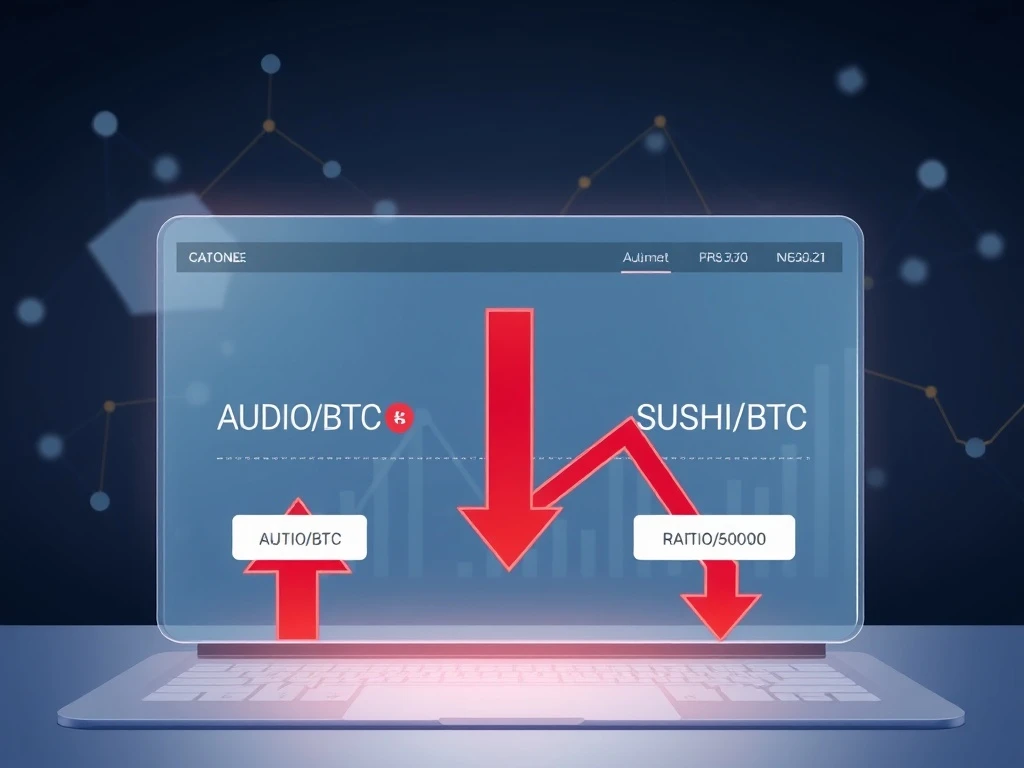
Binance published the official delisting notification through its website announcement system. The exchange will remove 14 cross margin pairs and 24 isolated margin pairs simultaneously. Specifically, the affected cross margin pairs include AUDIO/BTC, SUSHI/BTC, MTL/BTC, IOTX/ETH, SLP/ETH, TRB/BTC, PYR/BTC, EGLD/BTC, ENS/BTC, APE/BTC, NEO/BTC, NMR/BTC, SHIB/DOGE, and MINA/BTC. Meanwhile, the isolated margin removal list contains AUDIO/BTC, CTSI/BTC, SUSHI/BTC, ATOM/ETH, MTL/BTC, WAN/BTC, MOVR/BTC, IOTX/ETH, OXT/BTC, SLP/ETH, TRB/BTC, PYR/BTC, STORJ/BTC, EGLD/BTC, YFI/BTC, ENS/BTC, FLUX/BTC, AUCTION/BTC, APE/BTC, REQ/BTC, NEO/BTC, NMR/BTC, SHIB/DOGE, and MINA/BTC. Notably, several pairs appear on both lists. This overlap indicates particularly low liquidity across trading environments.
The exchange provided clear instructions for affected users. All open positions involving these pairs will close automatically before delisting. Subsequently, Binance will cancel any pending orders. Users should manage their positions proactively before the deadline. The exchange recommends closing positions manually to avoid automatic liquidation. Furthermore, Binance will not support these pairs for margin borrowing after removal. However, spot trading for these cryptocurrency pairs continues unaffected. This distinction is significant for traders to understand. The delisting specifically targets margin trading functionality only.
Understanding Margin Trading Pair Delisting Procedures
Cryptocurrency exchanges regularly evaluate their listed trading products. Binance follows a transparent review framework for this process. The exchange considers multiple quantitative and qualitative factors. Primary evaluation metrics include trading volume, liquidity, and market maker support. Additionally, Binance assesses regulatory compliance and project development activity. The exchange also monitors network stability and security standards. When pairs fail to meet minimum requirements, Binance initiates delisting procedures. This maintenance ensures platform efficiency and user protection. Moreover, it aligns with global exchange best practices.
Also read: Bitcoin Treasury Companies Face New Pressure as US-Iran Tensions Shift
Margin trading involves higher complexity than spot trading. Therefore, exchanges maintain stricter requirements for margin pairs. Binance must ensure sufficient liquidity for leveraged positions. Otherwise, users face increased liquidation risks during volatility. The delisted pairs showed consistently low trading activity. Consequently, maintaining them became operationally inefficient. Binance typically provides several days’ notice before removal. This timeframe allows users to adjust their strategies appropriately. The exchange has executed similar delistings throughout 2024. Previous rounds affected different cryptocurrency pairs each time.
Historical Context of Exchange Delisting Cycles
Major cryptocurrency exchanges conduct regular trading pair reviews. For instance, Coinbase delisted 80 trading pairs in January 2024. Similarly, Kraken removed several margin pairs throughout 2023. These actions reflect industry-wide liquidity consolidation trends. Trading volume increasingly concentrates around major cryptocurrency pairs. Specifically, BTC and ETH trading pairs dominate market activity. Meanwhile, altcoin pairs experience declining liquidity across exchanges. This pattern emerges from broader market maturation. Institutional participants primarily trade major cryptocurrency pairs. Retail traders increasingly follow similar patterns.
Binance executed its previous margin delisting in October 2024. That round affected 17 cross and isolated margin pairs. The current delisting represents a slightly larger adjustment. However, it remains within historical parameters for platform maintenance. The exchange added numerous new pairs throughout 2024 as well. Therefore, this represents rebalancing rather than reduction. Binance maintains over 500 margin trading pairs after this removal. The platform continues supporting leveraged trading across major cryptocurrencies. This strategic optimization benefits overall platform performance.
Immediate Impacts on Active Margin Traders
Margin traders using affected pairs must take specific actions. First, review all open positions against the delisting lists. Second, close positions manually before the January 15 deadline. Third, withdraw any collateral from margin accounts for these pairs. Fourth, explore alternative trading pairs for continued strategies. Binance provides multiple similar trading options for most cryptocurrencies. For example, AUDIO/USDT remains available for spot trading. However, margin traders must adjust their approach accordingly. The automatic closure process follows standard exchange protocols. Positions close at prevailing market prices during the delisting.
Liquidation risks increase near the delisting deadline. Therefore, early action is strongly advisable. Market volatility may spike as traders exit positions simultaneously. Binance implemented safeguards against extreme price movements. Nevertheless, traders should exercise caution during this period. The exchange’s risk management systems monitor the delisting process continuously. User funds remain secure throughout the transition. All cryptocurrency holdings transfer automatically to spot wallets after position closure. This fluid process minimizes user inconvenience. However, traders lose leveraged exposure to specific pair combinations.
Technical Implications for Trading Bots and APIs
Automated trading systems require immediate updates. Trading bots interfacing with Binance API must adjust their parameters. Specifically, remove delisted pairs from trading algorithms before January 15. Otherwise, these systems may generate erroneous orders. The Binance API will reject requests for delisted margin pairs after removal. Developers should implement appropriate error handling. Historical data for delisted pairs remains accessible through Binance’s data endpoints. However, real-time trading functionality ceases permanently. Third-party trading platforms integrating Binance must communicate these changes to their users. Many platforms already issued notifications following Binance’s announcement.
API users should consult Binance’s official documentation updates. The exchange maintains detailed migration guides for developers. Furthermore, WebSocket streams for affected pairs will terminate simultaneously. Users must subscribe to alternative data streams for continued market monitoring. Binance typically provides 48-hour advance notice for API changes. The current delisting follows this established protocol. Developers have sufficient time to implement necessary adjustments. Major trading bot platforms already released patches for this event. Users should verify their systems received appropriate updates.
Broader Market Implications and Liquidity Analysis
Cryptocurrency market liquidity demonstrates clear consolidation patterns. Trading volume concentrates increasingly around major pairs. This trend reflects market maturation and institutional participation growth. The delisted pairs represent less than 0.5% of Binance’s total margin volume. Therefore, the overall market impact remains minimal. However, specific altcoins may experience temporary volatility. Projects with multiple trading pairs maintain liquidity through alternative markets. For instance, SUSHI trading continues via SUSHI/USDT and SUSHI/ETH pairs. The removal specifically affects BTC and ETH pairing combinations.
Market makers adjust their operations following such announcements. Liquidity providers reallocate resources to remaining trading pairs. Consequently, overall market efficiency often improves post-delisting. This optimization benefits active traders through better order execution. Spreads typically tighten on surviving pairs as liquidity consolidates. The cryptocurrency market naturally evolves through these periodic adjustments. Binance’s decision aligns with observable trading pattern shifts. Exchange data reveals declining interest in certain altcoin/BTC pairs throughout 2024. Traders increasingly prefer stablecoin pairs for altcoin trading.
The following table illustrates the delisting scope across margin types:
| Margin Type | Pairs Removed | Examples | Primary Trading Alternative |
|---|---|---|---|
| Cross Margin | 14 pairs | AUDIO/BTC, SUSHI/BTC | Spot trading pairs |
| Isolated Margin | 24 pairs | CTSI/BTC, ATOM/ETH | USDT margin pairs |
Regulatory Considerations and Compliance Factors
Global cryptocurrency regulations influence exchange listing decisions. Binance operates across numerous jurisdictions with varying requirements. Certain trading pairs may conflict with specific regional regulations. The exchange consistently prioritizes compliance across its operations. Margin trading faces particular regulatory scrutiny worldwide. Many jurisdictions impose restrictions on leveraged cryptocurrency products. Binance adapts its offerings to maintain regulatory alignment. This delisting may reflect proactive compliance adjustments. The exchange maintains ongoing dialogue with regulators globally. Platform changes often incorporate regulatory feedback and requirements.
Security standards also impact listing decisions. Binance evaluates network stability for all supported cryptocurrencies. Projects experiencing technical issues may face delisting. The exchange monitors chain performance and upgrade schedules continuously. User protection remains the highest priority for all decisions. Margin trading involves additional risk layers compared to spot trading. Therefore, Binance maintains stricter standards for margin pairs. The delisting process enhances overall platform security. Users benefit from reduced systemic risk through these optimizations. The exchange’s risk management framework guides all listing decisions.
Comparative Analysis with Other Major Exchanges
Binance’s approach aligns with industry standards for pair management. Major exchanges follow similar review processes with minor variations:
- Coinbase: Conducts quarterly reviews with 30-day notice periods
- Kraken: Focuses on volume and spread metrics for decisions
- KuCoin: Employs community feedback in evaluation processes
- Bybit: Prioritizes liquidity depth above other factors
All major platforms removed margin pairs throughout 2024. This industry-wide trend reflects market reality rather than individual exchange policies. Trading volume consolidation is measurable across all platforms. The cryptocurrency market’s evolution drives these operational adjustments. Exchanges optimize their offerings to match user demand patterns. Current data shows strong preference for major cryptocurrency pairs. Meanwhile, altcoin/BTC pairs experience declining interest. This shift likely continues throughout 2025 as markets mature further.
Conclusion
Binance will delist 38 margin trading pairs on January 15, 2025, affecting both cross and isolated margin products. This strategic optimization reflects standard exchange maintenance procedures. Traders must close affected positions before the 6:00 a.m. UTC deadline. The delisting specifically targets low-liquidity pairs failing to meet Binance’s requirements. However, spot trading continues unaffected for all involved cryptocurrencies. This adjustment aligns with broader market liquidity consolidation trends. Furthermore, it enhances platform efficiency and user protection. Margin traders should review their positions immediately and explore alternative trading pairs. The cryptocurrency market naturally evolves through such periodic optimizations. Binance maintains its position as the leading global exchange through proactive platform management.
FAQs
Q1: What happens to my open positions in delisted margin pairs?
Binance will automatically close all open positions in affected pairs at 6:00 a.m. UTC on January 15. The exchange recommends manual closure before this deadline to maintain control over execution prices.
Q2: Can I still trade these cryptocurrency pairs on Binance after delisting?
Yes, spot trading continues unaffected for all cryptocurrencies involved. The delisting specifically applies to margin trading functionality only. You can still trade AUDIO, SUSHI, and other affected cryptocurrencies via their USDT or other available pairs.
Q3: Why is Binance removing these particular margin trading pairs?
The exchange regularly reviews all trading pairs based on multiple factors including trading volume, liquidity, market maker support, and regulatory compliance. Pairs failing to meet minimum requirements face delisting to optimize platform performance.
Q4: Will this delisting affect the price of the involved cryptocurrencies?
While temporary volatility is possible as traders adjust positions, the overall impact should be minimal since these pairs represent less than 0.5% of Binance’s total margin volume. Most cryptocurrencies maintain liquidity through alternative trading pairs.
Q5: How often does Binance delist margin trading pairs?
The exchange conducts regular reviews approximately quarterly, with the previous margin delisting occurring in October 2024. These maintenance cycles are standard industry practice across all major cryptocurrency exchanges.

This article was produced with AI assistance and reviewed by our editorial team for accuracy and quality.