Binance Delisting Shakeup: Exchange Removes 21 Spot Trading Pairs in Strategic January 2025 Move
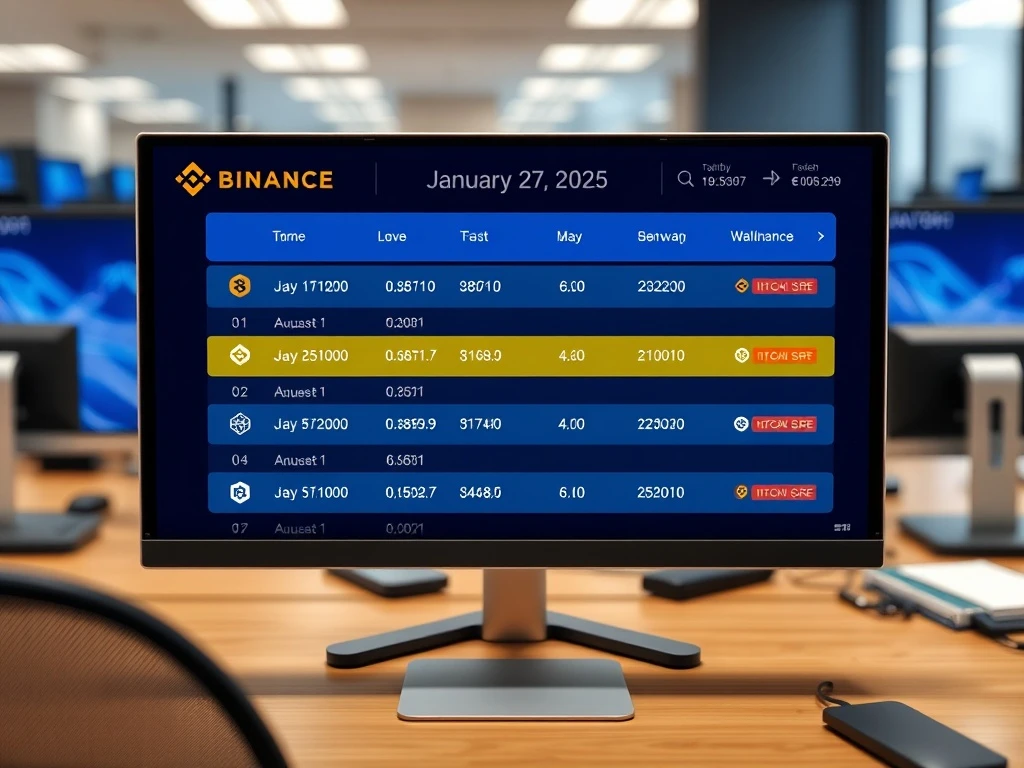
In a significant market adjustment, Binance, the world’s largest cryptocurrency exchange, announced on January 24, 2025, that it will delist 21 spot trading pairs effective January 27 at 8:00 a.m. UTC. This strategic move affects multiple cryptocurrency pairs across various markets, including several involving Bitcoin (BTC), Ethereum (ETH), and Binance Coin (BNB). The exchange’s decision follows ongoing reviews of trading pair performance and liquidity metrics, reflecting broader industry trends toward market optimization.
Binance Delisting Announcement Details and Affected Pairs
Binance published the official delisting notice through its standard communication channels, providing users with approximately 72 hours to adjust their trading strategies. The exchange typically conducts these periodic reviews to maintain a healthy trading ecosystem. Consequently, the removal of underperforming pairs helps optimize platform resources and improves overall market efficiency. The affected trading pairs span multiple cryptocurrency categories and include both major and emerging digital assets.
Also read: Bitcoin Strategy Divide: GameStop's 4,710 BTC Hold Contrasts With Nation's Massive Sell-Off
The complete list of delisted spot trading pairs includes:
- BTC/UAH – Bitcoin against Ukrainian Hryvnia
- COMP/BTC – Compound against Bitcoin
- DASH/ETH – Dash against Ethereum
- ETC/ETH – Ethereum Classic against Ethereum
- IO/BTC – IO against Bitcoin
- LINEA/BNB – Linea against Binance Coin
- MINA/BTC – Mina Protocol against Bitcoin
- MMT/BNB – MMT against Binance Coin
- MOVE/BNB – MOVE against Binance Coin
- OG/BTC – OG against Bitcoin
- OGN/BTC – Origin Protocol against Bitcoin
- PLUME/BNB – Plume Network against Binance Coin
- PNUT/FDUSD – Peanut against FDUSD stablecoin
- RUNE/ETH – THORChain against Ethereum
- SEI/FDUSD – Sei against FDUSD stablecoin
- SHIB/DOGE – Shiba Inu against Dogecoin
- STX/FDUSD – Stacks against FDUSD stablecoin
- TIA/FDUSD – Celestia against FDUSD stablecoin
- TON/BTC – Toncoin against Bitcoin
- VET/ETH – VeChain against Ethereum
- YB/BNB – YB against Binance Coin
Exchange Policy and Market Context for Trading Pair Removal
Major cryptocurrency exchanges regularly evaluate trading pair performance using multiple metrics. These evaluations typically consider trading volume, liquidity depth, user activity, and regulatory compliance factors. Binance maintains transparent criteria for these assessments, though specific thresholds remain proprietary business information. Historically, the exchange has conducted similar reviews quarterly, with this January 2025 announcement following established patterns.
Also read: Bitcoin Volatility Dips Below Major Stocks as European Nation Sells Billions in Crypto Reserves
The current delisting wave affects several notable patterns. For instance, multiple pairs involve the FDUSD stablecoin, which First Digital USD issues. Additionally, several BNB pairs appear on the list, reflecting ongoing adjustments within the Binance Smart Chain ecosystem. Meanwhile, the removal of the SHIB/DOGE pair represents a significant meme coin market adjustment.
Historical Precedents and Industry Standards
Exchange delistings represent standard industry practice rather than exceptional events. Throughout 2023 and 2024, major platforms including Coinbase, Kraken, and KuCoin executed similar adjustments. These actions typically follow declining trading volumes or regulatory considerations. For example, in September 2024, Coinbase removed 80 trading pairs during a platform optimization initiative. Similarly, Kraken delisted several privacy-focused tokens in November 2024 following regulatory guidance.
Industry analysts note that regular pair maintenance helps exchanges allocate resources more effectively. High-quality platforms prioritize user experience and market stability through these procedures. Consequently, traders generally view periodic delistings as positive long-term developments despite short-term inconveniences.
Immediate Impact on Traders and Market Participants
Binance provided clear instructions for affected users in its announcement. The exchange will suspend spot trading for these pairs precisely at the designated time. However, users can still trade the individual tokens through other available pairs on the platform. For instance, while BTC/UAH trading ceases, users can still trade Bitcoin through BTC/USDT or other active markets.
The exchange automatically cancels all pending orders for delisted pairs at the suspension time. Subsequently, users should withdraw any remaining balances from these trading pairs. Importantly, token deposits and withdrawals remain unaffected unless specifically announced otherwise. This approach minimizes disruption while maintaining essential functionality.
Traders holding positions in affected pairs received notifications through multiple channels. The exchange’s notification system, email alerts, and official social media accounts all disseminated the information. Professional traders typically monitor such announcements closely because they can create arbitrage opportunities during transition periods.
Liquidity and Price Action Considerations
Market analysts observe limited immediate price impact from most delistings. However, tokens exclusively trading through delisted pairs might experience temporary volatility. For example, the YB token, which primarily traded against BNB, could see reduced accessibility. Nevertheless, most affected tokens maintain multiple trading avenues on Binance and other exchanges.
Historical data shows that delisting announcements rarely cause significant long-term price damage. Instead, they often redirect trading activity to more liquid pairs. This redistribution typically strengthens remaining markets through increased volume concentration. Therefore, the overall ecosystem often benefits from these optimizations despite initial adjustments.
Broader Cryptocurrency Market Implications
The January 2025 delisting wave reflects several industry trends. First, exchanges continue optimizing their offerings amid evolving market conditions. Second, stablecoin pairs receive increased scrutiny as regulatory frameworks develop. Third, meme coin markets experience natural consolidation as novelty diminishes. These patterns suggest ongoing market maturation rather than contraction.
Regulatory developments also influence exchange decisions. While Binance didn’t cite specific regulations, industry observers note increasing compliance requirements globally. The European Union’s Markets in Crypto-Assets (MiCA) regulations, fully implemented in 2024, established clearer standards. Similarly, United States regulatory actions have prompted exchanges to review their offerings more carefully.
Exchange competition further drives these optimizations. As platforms vie for market share, they prioritize high-quality trading experiences. Removing underperforming pairs reduces platform complexity and improves overall performance. Consequently, users benefit from faster execution and better prices on remaining markets.
Technical Implementation and User Guidance
Binance follows established technical protocols for trading pair removals. The exchange’s matching engine ceases processing orders for affected pairs at the precise cutoff time. System administrators then remove the pairs from public interfaces and API endpoints. This technical process typically completes within minutes, ensuring minimal platform disruption.
Users should take several proactive steps before the January 27 deadline:
- Review open orders on affected pairs
- Cancel any unwanted pending orders
- Consider alternative trading pairs for continued exposure
- Monitor official announcements for additional guidance
- Update trading bots and automated systems accordingly
The exchange maintains comprehensive support documentation for these procedures. Additionally, customer service teams receive specialized training for delisting-related inquiries. This preparation ensures smooth transitions despite the operational complexity involved.
Future Outlook and Preventive Measures
Industry experts anticipate continued periodic delistings throughout 2025. Exchanges will likely maintain their review cycles as markets evolve. Traders can adopt several strategies to minimize future disruption. Diversifying across multiple trading pairs reduces single-point vulnerability. Additionally, monitoring exchange announcements through official channels provides early awareness.
Token projects can also take preventive measures. Maintaining adequate trading volume across multiple exchanges reduces delisting risks. Furthermore, engaging with exchange listing teams helps ensure ongoing compliance with platform requirements. These proactive approaches benefit both projects and their communities.
Conclusion
Binance’s decision to delist 21 spot trading pairs represents standard exchange maintenance rather than extraordinary action. The January 2025 adjustment follows established industry practices for market optimization. Affected traders have adequate time to adjust their positions before the January 27 implementation. Meanwhile, the broader cryptocurrency ecosystem continues maturing through these routine optimizations. Regular reviews ultimately strengthen markets by concentrating liquidity and improving trading quality. Consequently, despite initial adjustments, such delistings typically benefit long-term market health and participant experience.
FAQs
Q1: What happens to my funds in delisted trading pairs?
Your funds remain safe in your Binance wallet. Only the specific trading pair becomes unavailable. You can still trade the individual tokens through other active pairs on the exchange.
Q2: Can I still deposit or withdraw the tokens involved in delisted pairs?
Yes, token deposits and withdrawals continue unaffected unless Binance announces otherwise. The delisting only affects spot trading of specific pair combinations.
Q3: Why does Binance delist trading pairs?
Exchanges regularly review trading pairs based on multiple factors including trading volume, liquidity, user demand, and regulatory compliance. Removing underperforming pairs helps optimize platform resources and improve overall market quality.
Q4: Will this affect the price of the tokens being delisted?
Most tokens maintain multiple trading avenues, so delisting specific pairs rarely causes significant long-term price impact. However, tokens with limited trading options might experience temporary volatility during the transition period.
Q5: How often does Binance conduct these delistings?
Binance typically reviews trading pairs quarterly, though the exact schedule varies based on market conditions. The exchange announces delistings through official channels with approximately 72 hours notice before implementation.

This article was produced with AI assistance and reviewed by our editorial team for accuracy and quality.