Android Crypto Vulnerability: Microsoft Exposes Critical Flaw Threatening 30 Million Wallets
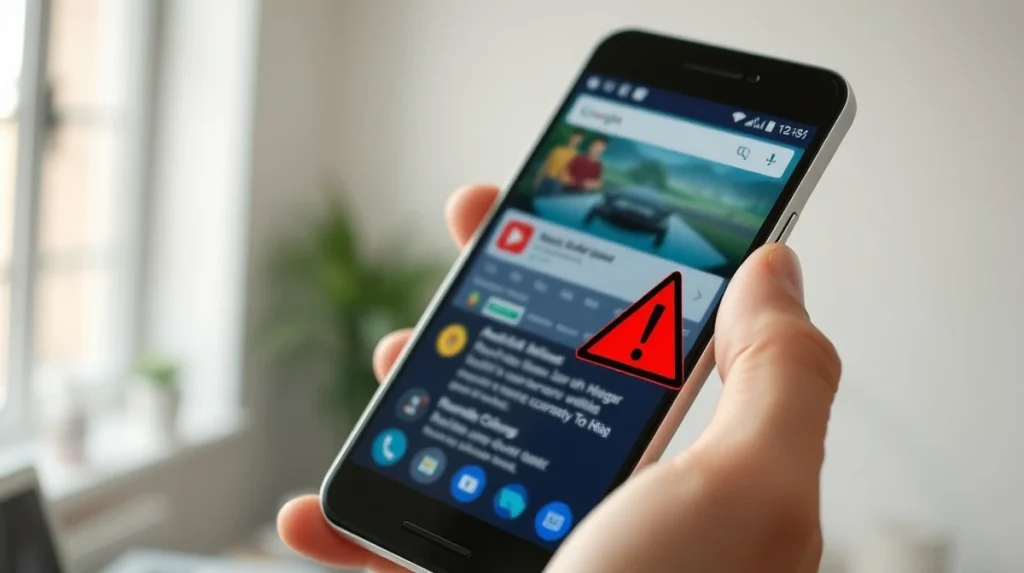
Microsoft security researchers have disclosed a critical vulnerability in the Android operating system that exposed an estimated 30 million cryptocurrency wallets to potential theft. The flaw, which was actively exploited by malware, allowed attackers to bypass security measures and steal recovery phrases and private keys directly from devices. This discovery, announced on April 10, 2026, raises urgent questions about the security of mobile-based digital asset storage.
Microsoft Details the Android Crypto Vulnerability
According to a technical report from Microsoft’s Threat Intelligence team, the vulnerability did not exist in Android’s core code. Instead, it was found in a widely used software development kit (SDK) integrated into hundreds of cryptocurrency wallet applications. The SDK managed critical wallet functions like seed phrase generation and transaction signing. A flaw in its implementation allowed other apps installed on the same device to access its sensitive data storage.
Also read: Bitcoin Cash Price Prediction: Can BCH Realistically Reach $1000 by 2030?
Data from Google Play Store analytics suggests the vulnerable SDK was present in apps with a cumulative install base exceeding 30 million devices. Microsoft researchers identified at least five distinct malware families that had weaponized this flaw over the past six months. The malware typically masqueraded as legitimate utility apps, such as cryptocurrency price trackers or system cleaners.
Once installed, these malicious apps requested standard permissions. They then used the SDK vulnerability to silently extract wallet recovery phrases. “This was a lateral movement attack within the device,” a Microsoft security analyst explained in the report. “The malware didn’t need to hack the wallet app itself. It exploited the shared environment.”
Also read: ENS Price Prediction: Can Ethereum Name Service Realistically Challenge the $100 Mark by 2030?
How the Malware Attack Unfolded
The attack chain followed a predictable pattern. Users downloaded a malicious app from unofficial third-party stores or, in some cases, from the official Google Play Store before it was detected and removed. After installation, the app ran in the background. It scanned the device for applications containing the vulnerable SDK.
Upon finding a target, the malware executed its exploit. It could then read the plaintext seed phrases stored in the SDK’s compromised data area. These 12 or 24-word phrases are the master key to a cryptocurrency wallet. Whoever possesses them controls all associated digital assets.
The stolen data was encrypted and sent to command-and-control servers operated by the attackers. Industry watchers note that the speed of this attack made it particularly dangerous. “Theft could occur in minutes, without the user ever receiving a notification or seeing any sign of compromise within their wallet app,” said a researcher from blockchain security firm CertiK, commenting on similar past exploits.
The Scale of the Risk to Users
The implication of this vulnerability is severe. Unlike a bank account, cryptocurrency transactions are irreversible. If funds are stolen, there is typically no recourse for recovery. The 30 million figure represents a theoretical maximum based on installs. However, Microsoft’s report indicates forensic evidence of stolen funds linked to this specific attack method.
Analysis of blockchain data by firms like Chainalysis has shown a spike in suspicious outflows from wallets created and used primarily on Android devices in recent months. This activity correlates with the timeline of the vulnerability’s exploitation provided by Microsoft. While not all wallet apps used the flawed SDK, its widespread adoption in the crypto development community meant the potential attack surface was enormous.
Response from Google and App Developers
Google was notified of the vulnerability through its coordinated disclosure program prior to Microsoft’s public report. A spokesperson for Google confirmed that the company’s Android security team worked with the SDK developer and app publishers to issue patches. An update to the Google Play Protect malware scanner was also deployed to detect and disable the known malicious apps exploiting this flaw.
For users, the primary defense is to ensure all apps, especially cryptocurrency wallets, are updated to their latest versions. Developers of major wallets like Trust Wallet, MetaMask Mobile, and Phantom have confirmed they updated their Android applications to remove or patch the vulnerable SDK component. These updates were pushed throughout March and early April 2026.
Key steps for user protection include:
- Updating all cryptocurrency wallet apps immediately.
- Checking app download sources, using only official stores.
- Reviewing installed apps for unfamiliar or suspicious software.
- Considering the use of a hardware wallet for significant crypto holdings.
A Recurring Challenge for Mobile Crypto Security
This incident highlights a persistent tension in cryptocurrency. Convenience often conflicts with security. Mobile wallets offer easy access for trading and transactions. But smartphones are complex devices running countless apps, each a potential vector for attack. The secure “vault” of a crypto wallet must coexist with other, less-trusted software.
Previous research from universities like Stanford has shown that the sandboxing security model on mobile operating systems can be fragile. A single flawed component in a trusted app can break the isolation. This latest vulnerability is a stark example. It also underscores the growing interest of cybercriminals in cryptocurrency targets, where direct financial theft is possible.
What this means for investors is that vigilance is non-negotiable. The promise of decentralized finance does not eliminate centralized risks on the devices we use. This event will likely accelerate a shift in best practices. Many security experts have long advocated for keeping only small, “hot wallet” balances on mobile devices for daily use, while storing the majority of assets in “cold storage” like hardware wallets that are physically disconnected from the internet.
Conclusion
The Android crypto vulnerability disclosed by Microsoft serves as a critical warning for millions of users. The exposure of 30 million wallets through a flawed SDK reveals systemic risks in the mobile cryptocurrency ecosystem. While patches are now available, the incident demonstrates how sophisticated malware can target digital assets. Ensuring app updates, scrutinizing downloads, and understanding the limits of mobile security are essential steps. For the crypto industry, this event may drive greater scrutiny of third-party code and a renewed focus on building security from the ground up.
FAQs
Q1: Which cryptocurrency wallets were affected by this Android vulnerability?
Microsoft did not publish a full list of affected applications. The vulnerability was in a third-party SDK used by many developers. Major wallet providers like Trust Wallet, MetaMask, and Phantom have confirmed they updated their apps to address the issue. Users should update any crypto wallet app on their Android device.
Q2: How can I check if my wallet was compromised?
There is no simple tool. You should monitor your wallet addresses using a blockchain explorer for any unauthorized transactions. If you installed apps from outside the Google Play Store or noticed unfamiliar apps on your device during the risk period, be extra vigilant. Consider moving funds to a newly created, secure wallet.
Q3: Are iPhone (iOS) wallets also at risk from this flaw?
No. Microsoft’s report specifically identifies a vulnerability in an Android software development kit. The iOS operating system uses a different architecture and security model. However, iOS is not immune to other types of malware or phishing attacks targeting crypto users.
Q4: Has Google removed the malicious apps from the Play Store?
Yes. Google stated that it identified and removed the specific apps cited by Microsoft that were actively exploiting this vulnerability. Its Google Play Protect service should also detect and disable these apps on installed devices. However, new malicious apps constantly appear, so caution is always required.
Q5: What is the safest way to store cryptocurrency now?
Security experts recommend a layered approach. Use a mobile wallet only for small amounts needed for frequent transactions. Store the majority of your holdings in a hardware wallet (cold storage), which keeps private keys offline. Always enable all available security features, such as multi-factor authentication and transaction whitelisting, where supported.

This article was produced with AI assistance and reviewed by our editorial team for accuracy and quality.