AI Tools Reshape Fashion Content Creation in 2026
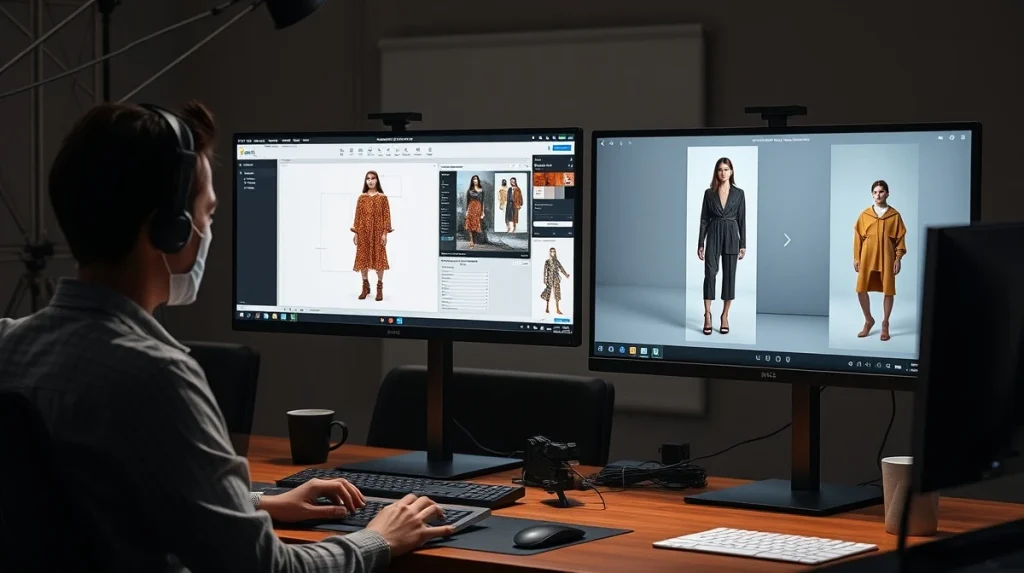
March 15, 2026 – Artificial intelligence is fundamentally changing how fashion brands produce visual content. Design Tools Weekly reports that several AI platforms now enable creative teams to generate polished, brand-ready imagery for campaigns, lookbooks, and e-commerce.
The New AI Toolkit for Fashion
Platforms like Style3D AI, Adobe Firefly, and ZMO AI lead this transformation. These tools address the industry’s growing demand for high-quality, consistent visual assets. Midjourney, Runway, and Pika Labs also provide specialized capabilities for fashion content generation.
Also read: M Series ANC Token Presale Launches with Detailed Vesting
According to Design Tools Weekly, tools such as Botika AI, Lalaland.ai, and Browzwear have become essential resources. They allow designers and marketing teams to create visuals that maintain brand identity across diverse channels. The shift toward AI-assisted creation reflects broader changes in digital content production workflows.
Drivers of Adoption
The need for scalable content production is a primary factor. Fashion brands operate in a fast-cycle environment requiring constant visual updates. AI tools can generate variations of core assets quickly, supporting global campaigns and personalized marketing.
Also read: Pepeto Presale Attracts Investor Interest Amid Meme Coin Rally
Cost efficiency represents another significant driver. Traditional photoshoots involving models, photographers, and studios require substantial investment. AI-generated visuals can reduce these expenses while offering greater creative control during the iteration process.
Impact on Creative Roles
These technologies are changing, not replacing, creative professions. Designers now work as AI collaborators, directing outputs and refining generated content. Technical skills in prompt engineering and AI tool management are becoming valuable additions to traditional design expertise.
The integration of AI into standard design software indicates this is a lasting shift. Platforms are building AI capabilities directly into familiar interfaces, lowering the learning curve for adoption. This allows teams to enhance existing workflows rather than overhaul them completely.
Future Development Trajectory
Design Tools Weekly suggests the next phase will focus on integration and specificity. Tools will likely offer deeper customization for particular fashion niches like athleisure, luxury, or sustainable apparel. Improved 3D asset generation and material simulation are also anticipated developments.
Ethical considerations regarding originality and copyright continue to shape industry discussions. Most platforms emphasize that their tools are designed to augment human creativity, serving as assistants in the content creation pipeline.
This article is for informational purposes only and does not constitute financial or investment advice. Crypto presales carry significant risk. Always conduct your own research before investing.

This article was produced with AI assistance and reviewed by our editorial team for accuracy and quality.