Cow Milking Machine Market Surges to $1.14 Billion as AI and Robotics Revolutionize Dairy Farming
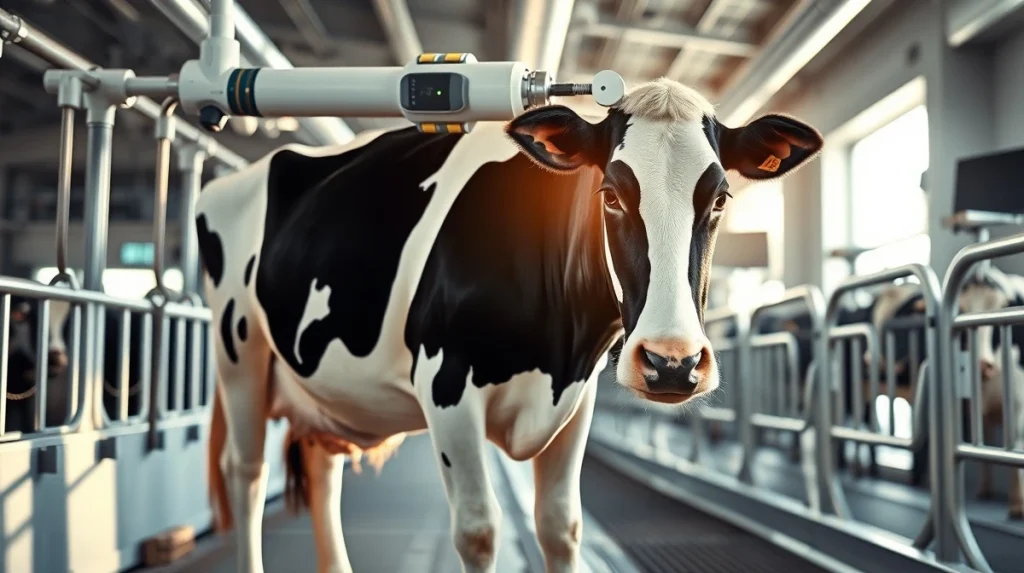
The global dairy industry is undergoing a profound technological transformation, with the cow milking machine market projected to reach a valuation of US$ 1,140.2 million, driven by the rapid integration of artificial intelligence and robotic automation. This shift, often termed Dairy 4.0, represents a move from mechanical systems to intelligent, data-driven platforms that enhance efficiency, animal welfare, and farm profitability. According to market analysis, this growth is fueled by labor shortages, rising demand for dairy products, and an increasing focus on sustainable and precision livestock farming practices worldwide.
Market Drivers and the Rise of Dairy 4.0
Several interconnected factors are propelling the expansion of the automated milking sector. Firstly, persistent labor challenges in rural areas have made reliable human staffing difficult and costly for dairy operations. Consequently, farmers are increasingly turning to robotic milking systems (RMS) to ensure consistent, around-the-clock milking schedules. Secondly, consumer and regulatory pressures for higher animal welfare standards and traceable food production are pushing the adoption of systems that monitor individual cow health and activity. These intelligent systems can detect early signs of illness, such as mastitis or lameness, by analyzing milk quality data and movement patterns, allowing for prompt intervention.
Also read: M Series ANC Token Presale Launches with Detailed Vesting
Furthermore, the push for operational efficiency and data optimization is a major catalyst. Modern systems collect vast amounts of data per cow, including milk yield, composition, milking duration, and feeding behavior. This data enables precision livestock farming, where management decisions are tailored to each animal, improving overall herd health and productivity. The integration of this data with farm management software creates a comprehensive view of the operation, driving informed decision-making.
Technological Core: AI and Robotic Automation
At the heart of this market evolution is the sophisticated integration of AI and robotics. Contemporary cow milking machines are no longer simple vacuum pumps. They are complex mechatronic systems equipped with 3D vision cameras, laser guidance, and tactile sensors. These components allow a robotic arm to precisely locate and clean teats before attaching milking cups, a process that minimizes stress for the animal and reduces the risk of contamination.
Also read: Pepeto Presale Attracts Investor Interest Amid Meme Coin Rally
The AI algorithms perform several critical functions. They analyze individual cow data to establish a unique milking profile, determining the optimal milking time and vacuum settings. Additionally, they conduct real-time analysis of milk using in-line sensors, checking for conductivity changes that indicate potential health issues like subclinical mastitis. This capability allows for automatic separation of abnormal milk and alerts the farmer, embodying a proactive herd health management approach.
The Competitive Space and Regional Adoption
The market is characterized by strong competition among established agricultural technology firms. Leading companies are continuously innovating, focusing on improving attachment success rates, reducing maintenance requirements, and enhancing data analytics platforms. Regional adoption patterns show significant variation. Europe, particularly the Netherlands, Germany, and Denmark, has been an early and rapid adopter of robotic milking, driven by high labor costs and advanced farming infrastructure.
North America is experiencing accelerated growth, with large-scale farms in the United States and Canada investing in automation to manage large herds efficiently. The Asia-Pacific region presents a substantial growth opportunity, fueled by increasing dairy consumption in countries like China and India, and government initiatives to modernize agricultural practices. However, the high capital investment required for these systems remains a barrier for smaller farms, influencing the pace of adoption in different regions.
Impact on Farming Practices and Sustainability
The adoption of AI-integrated milking systems is reshaping daily farm operations and sustainability metrics. By allowing cows to choose their own milking times, these systems support natural behavior, which can improve animal welfare and potentially increase longevity. From an environmental standpoint, the precise data collected enables better feed efficiency, reducing waste and the farm’s overall environmental footprint. Accurate monitoring also helps optimize breeding programs and culling decisions, strengthening the genetic potential of the herd.
For the farmer, the benefits extend beyond labor savings. The constant stream of data provides exceptional insights into herd performance, turning intuition-based decisions into data-driven ones. This shift can lead to more stable production, higher-quality milk, and improved business resilience. The technology also changes the farmer’s role, requiring new skills in data interpretation and system management, highlighting an ongoing need for training and support within the agricultural community.
Challenges and Future Trajectory
Despite the clear advantages, the market faces hurdles. The significant upfront cost is the primary obstacle, especially for small and mid-sized dairy operations. Additionally, the complexity of the technology demands reliable technical support and stable internet connectivity, which can be a challenge in remote rural areas. There are also concerns regarding data ownership, security, and the potential for increased dependency on a single technology provider.
Looking ahead, the trajectory points toward even greater integration. Future systems are expected to feature enhanced predictive analytics, using historical and real-time data to forecast health events or production drops before they occur. Further integration with other farm robotics, such as automated feeding or manure cleaning systems, will create fully connected, smart barn environments. The development of more modular or scalable solutions could also help bring advanced automation within reach of a broader range of farm sizes.
Conclusion
The cow milking machine market is at a key point, transitioning from mechanical aid to intelligent partner in dairy production. The projected valuation of US$ 1,140.2 million underscores the significant economic and operational impact of AI and robotics. This technological revolution is not merely about replacing labor; it is about enhancing animal care, optimizing resource use, and providing dairy farmers with the tools needed for sustainable, profitable, and data-informed management. As Dairy 4.0 continues to evolve, it will fundamentally redefine modern livestock agriculture.
FAQs
Q1: What is driving the growth of the cow milking machine market?
The growth is primarily driven by global labor shortages in agriculture, rising demand for dairy products, increased focus on animal welfare and milk quality, and the need for operational efficiency and data-driven farm management.
Q2: How does artificial intelligence improve robotic milking systems?
AI improves systems by enabling individual cow recognition, optimizing milking settings per animal, conducting real-time milk quality analysis for early disease detection, and predicting health or production issues through data pattern recognition.
Q3: What are the main benefits for dairy farmers adopting this technology?
Key benefits include reduced reliance on manual labor, consistent milking schedules, improved herd health monitoring, increased milk yield and quality, valuable production data for decision-making, and potential improvements in animal welfare.
Q4: What is the biggest challenge to adopting automated milking systems?
The largest barrier is the high initial capital investment required for purchasing and installing the robotic systems, which can be prohibitive for small to mid-sized dairy operations without access to significant financing.
Q5: How does robotic milking impact the cows?
When properly implemented, robotic milking can reduce stress by allowing cows to be milked on their own schedule, which aligns with their natural behavior. It also enables closer health monitoring, leading to earlier veterinary intervention when needed.

This article was produced with AI assistance and reviewed by our editorial team for accuracy and quality.