Ablation Devices Market Surges: Projected $15.34 Billion Growth by 2034 Fueled by Chronic Disease Epidemic and Technological Breakthroughs
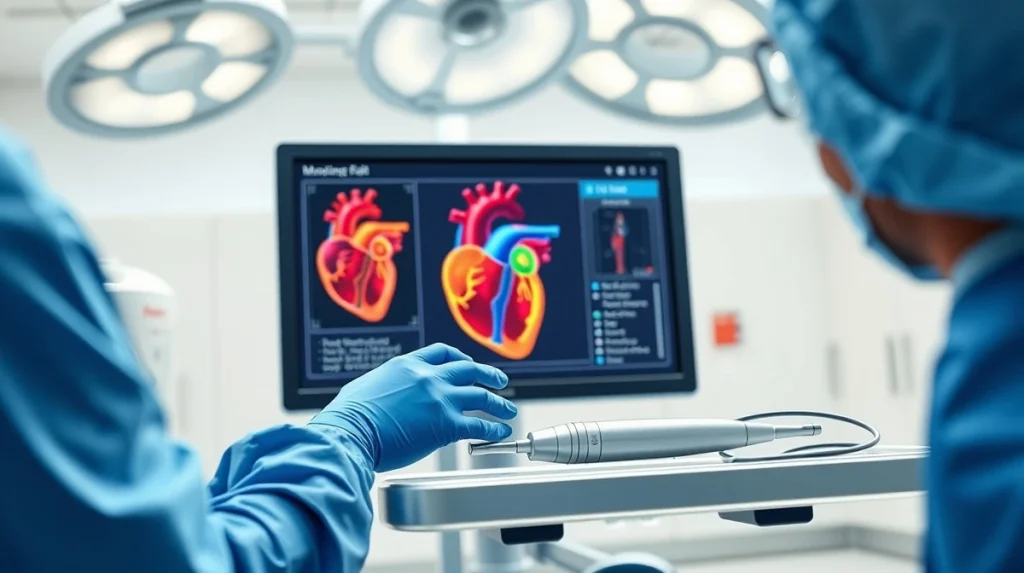
The global market for ablation devices is on a significant growth trajectory, with analysts projecting it will reach a valuation of USD 15.34 billion by 2034. This expansion, representing a compound annual growth rate (CAGR) of 8.38%, is fundamentally driven by the escalating global burden of chronic diseases and continuous innovation in minimally invasive surgical technologies. As of March 2026, these medical devices, which use energy to destroy abnormal tissue, are becoming central to treating conditions ranging from cardiac arrhythmias to cancers, offering patients less painful and faster recovery options compared to traditional open surgery.
Ablation Devices Market Dynamics and Core Drivers
Several interconnected factors are propelling the ablation devices market forward. Primarily, the rising prevalence of chronic conditions such as atrial fibrillation, liver cancer, and chronic pain disorders creates a sustained and growing demand for effective treatment modalities. Concurrently, both patients and healthcare providers increasingly prefer minimally invasive procedures due to their associated benefits, including reduced hospital stays, lower risk of infection, and minimal scarring. Furthermore, technological advancements are making these procedures more precise and accessible. For instance, the integration of real-time imaging guidance and robotic-assisted systems has enhanced the safety and efficacy of ablation techniques.
Also read: M Series ANC Token Presale Launches with Detailed Vesting
The market encompasses various energy-based technologies, each with specific clinical applications:
- Radiofrequency (RF) Ablation: The most established technology, using electrical current to generate heat and destroy tissue.
- Cryoablation: Employs extreme cold to freeze and eliminate targeted cells, often used in cardiac and oncology applications.
- Microwave Ablation: Utilizes electromagnetic waves for faster, more uniform heating of larger tissue volumes.
- Laser Ablation: Uses focused light energy, prized for its precision in neurosurgery and other delicate procedures.
Clinical Applications and Expanding Treatment Horizons
Ablation therapy is no longer confined to a single medical specialty. Its application has broadened substantially, making it a versatile tool across multiple disciplines. In cardiology, catheter ablation remains the gold-standard curative treatment for many types of cardiac arrhythmias, particularly atrial fibrillation. The procedure involves threading catheters through blood vessels to the heart to correct irregular electrical pathways. Meanwhile, in oncology, tumor ablation serves as a important option for patients with inoperable cancers or those seeking organ-preserving treatments. It is frequently used for liver, lung, kidney, and bone tumors.
Also read: Pepeto Presale Attracts Investor Interest Amid Meme Coin Rally
The Impact of Demographic and Lifestyle Trends
Underpinning the market growth are undeniable demographic shifts. Global aging populations are more susceptible to chronic diseases that ablation devices can treat. Additionally, lifestyle factors contributing to obesity and cardiovascular problems further expand the potential patient pool. Healthcare systems worldwide, facing pressure to improve outcomes while controlling costs, recognize the value proposition of minimally invasive ablation procedures. These procedures often translate to lower overall treatment costs compared to lengthy pharmaceutical regimens or major surgery, considering the reduced need for prolonged hospitalization and post-operative care.
Regional Market Analysis and Competitive Arena
Geographically, North America has historically held the largest share of the ablation devices market, a position supported by high healthcare expenditure, advanced medical infrastructure, and early adoption of novel technologies. However, the Asia-Pacific region is anticipated to exhibit the highest growth rate during the forecast period. This acceleration is fueled by improving healthcare access, rising medical tourism, growing investments in hospital infrastructure, and increasing awareness among both physicians and patients. Major global medical device companies actively compete in this space, focusing on R&D to launch next-generation devices with improved safety profiles, user-friendly interfaces, and connectivity for data integration.
| Key Market Driver | Impact on Growth |
|---|---|
| Rising Chronic Disease Prevalence | Creates sustained, underlying demand for treatment solutions. |
| Patient Preference for Minimally Invasive Options | Drives adoption over traditional open surgical procedures. |
| Technological Advancements (Robotics, Imaging) | Enhances procedure safety, efficacy, and expands treatable conditions. |
| Growing Healthcare Investment in Emerging Economies | Expands addressable market and improves patient access. |
Challenges and Future Outlook
Despite the optimistic forecast, the ablation devices market faces certain challenges. The high initial cost of advanced ablation systems can be a barrier to adoption, particularly in cost-sensitive markets and smaller healthcare facilities. Additionally, the need for specialized training for physicians to perform these complex procedures can limit the speed of widespread implementation. Regulatory hurdles for new device approvals also present a consistent challenge for manufacturers. Looking ahead, the future of the market appears closely tied to ongoing innovation. Research is actively exploring the combination of ablation with other therapies like immunotherapy in oncology, the development of more flexible and steerable catheters, and the use of artificial intelligence to plan and guide ablation procedures with exceptional precision.
Conclusion
The projected growth of the ablation devices market to USD 15.34 billion by 2034 underscores a major shift in modern therapeutic approaches. This growth is not merely a financial metric but reflects a broader transition in healthcare towards targeted, minimally invasive interventions that prioritize patient recovery and quality of life. Driven by an undeniable increase in chronic disease burden and propelled by relentless technological progress, the ablation devices sector stands as a critical component of the future medical environment, offering hope and improved outcomes for millions of patients worldwide.
FAQs
Q1: What is an ablation device?
An ablation device is a medical instrument that uses various forms of energy—such as heat (radiofrequency), extreme cold (cryo), or microwaves—to precisely destroy abnormal tissue, like a cancerous tumor or a malfunctioning heart cell cluster, without the need for open surgery.
Q2: What is driving the growth of the ablation devices market?
The primary drivers are the rising global incidence of chronic diseases (e.g., cancer, cardiac arrhythmias), a strong patient and clinician preference for minimally invasive treatment options, and continuous technological advancements that make procedures safer and more effective.
Q3: Which type of ablation technology is most common?
Radiofrequency ablation is one of the most established and widely used technologies, particularly in cardiology for treating arrhythmias and in pain management. However, cryoablation and microwave ablation are gaining significant ground in specific applications.
Q4: What are the main clinical applications for ablation devices?
Key applications include the treatment of cardiac arrhythmias (like atrial fibrillation), the destruction of tumors in the liver, lungs, kidneys, and bones, and the management of chronic pain conditions (such as in the spine).
Q5: Which region is expected to see the fastest market growth?
While North America currently leads in market share, the Asia-Pacific region is projected to experience the highest growth rate, fueled by improving healthcare infrastructure, rising medical awareness, and increasing healthcare spending.

This article was produced with AI assistance and reviewed by our editorial team for accuracy and quality.