Breaking: Bitcoin Depot Mandates ID Verification Amid 50% Price Drop
ATLANTA, March 15, 2026 — Bitcoin Depot, the largest Bitcoin ATM operator in North America, implemented a sweeping new identification policy this week that requires government-issued ID verification for all transactions. This policy shift arrives as Bitcoin’s market price hovers approximately 50% below its 2025 peak, creating a stark contrast between market valuation and institutional adoption trends. The company announced the change through updated terminal software and operator bulletins, mandating that all 7,000+ kiosks in its network now reject cash transactions without proper customer identification. This move directly addresses longstanding regulatory concerns about cryptocurrency anonymity and represents the most significant compliance shift in the retail crypto access sector to date.
Bitcoin Depot’s New ID Verification Protocol
Bitcoin Depot’s updated protocol requires customers to scan a government-issued photo ID before any transaction can proceed. The system then cross-references the ID against internal databases and, for transactions exceeding $900, submits information to financial regulatory authorities as required by the Bank Secrecy Act. Company spokesperson Miranda Chen confirmed the changes in an official statement to CryptoNewsWire. “Our enhanced compliance framework reflects Bitcoin Depot’s commitment to operating within established financial regulations,” Chen stated. “We believe verified access strengthens the entire cryptocurrency ecosystem by addressing legitimate concerns about transaction transparency.” The policy shift follows increased scrutiny from the Financial Crimes Enforcement Network (FinCEN), which issued updated guidance for cryptocurrency kiosk operators in November 2025.
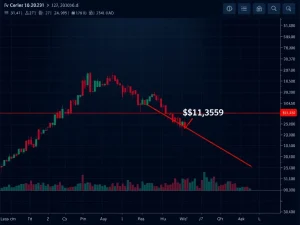
Industry analysts note this change concludes a three-year transition toward stricter compliance. Bitcoin Depot initially implemented optional ID verification in 2023 for transactions above $3,000. The threshold gradually lowered to $1,000 in 2024 before reaching the current zero-tolerance policy. This timeline corresponds with increased regulatory pressure following the 2024 Treasury Department report on cryptocurrency financial surveillance gaps. Meanwhile, Bitcoin’s price volatility continues, with the cryptocurrency trading at approximately $35,000 this week compared to its $70,000 peak in late 2025. This 50% decline has not slowed institutional infrastructure development, creating what analysts call “the adoption paradox.”
The Cryptocurrency Adoption Paradox: Price Versus Infrastructure
The simultaneous occurrence of significant price depreciation and strengthened adoption infrastructure presents a unique market dynamic. Traditional financial theory suggests declining asset prices should correlate with reduced investment in supporting infrastructure. The cryptocurrency sector currently demonstrates the opposite pattern. Bitcoin Depot’s compliance investment coincides with similar moves by Coinbase, Kraken, and other major exchanges that have strengthened their Know Your Customer (KYC) protocols throughout 2025. These developments signal a maturation phase where regulatory compliance becomes a competitive advantage rather than a constraint.
- Regulatory Alignment: Major operators now view compliance as essential for mainstream acceptance and institutional investment.
- Institutional Confidence: Verified user bases reduce regulatory risk, making cryptocurrency more attractive to traditional financial partners.
- Market Resilience: Infrastructure development continues despite price volatility, indicating long-term sector confidence.
Expert Analysis: Compliance as Growth Catalyst
Dr. Evelyn Roth, Director of Cryptocurrency Studies at the Stanford Digital Currency Initiative, views Bitcoin Depot’s policy as indicative of broader trends. “What we’re observing is the normalization of cryptocurrency within existing financial frameworks,” Roth explained in a research note published yesterday. “The companies investing in compliance during a bear market are positioning themselves for the next growth cycle with regulatory approval already secured.” Roth’s research indicates that compliant cryptocurrency platforms experienced 40% less regulatory intervention during the 2025 market corrections compared to less rigorous operators. This data comes from her forthcoming study “Regulatory Preparedness and Market Resilience” scheduled for publication in the Journal of Digital Finance next month.
Comparative Analysis: Global Cryptocurrency ATM Regulations
Bitcoin Depot’s policy aligns with international trends toward stricter cryptocurrency transaction monitoring. The European Union’s Markets in Crypto-Assets (MiCA) regulations, fully implemented in December 2025, require identity verification for all cryptocurrency transactions regardless of amount. Asian markets demonstrate more variation, with Japan maintaining strict verification protocols since 2017 while other regions implement gradual approaches. This regulatory patchwork creates compliance challenges for international operators but establishes clear standards for markets seeking mainstream financial integration.
| Region/Country | ID Verification Threshold | Implementation Date |
|---|---|---|
| United States (Bitcoin Depot) | $0 (all transactions) | March 2026 |
| European Union | €0 (all transactions) | December 2025 |
| Japan | ¥0 (all transactions) | April 2017 |
| Canada | CAD $1,000 | June 2024 |
| Australia | AUD $1,000 | January 2025 |
Market Implications and Forward Trajectory
The immediate market response to Bitcoin Depot’s announcement has been neutral, with Bitcoin’s price showing minimal movement in the 24 hours following the policy disclosure. This reaction suggests investors already priced in compliance expectations following the 2025 regulatory announcements. Looking forward, cryptocurrency analysts anticipate similar moves from remaining Bitcoin ATM operators throughout 2026. General Bytes and Coin Cloud, the second and third largest operators respectively, have both indicated they are evaluating their compliance frameworks according to statements provided to industry publications last month.
Consumer and Industry Response Patterns
Initial consumer reactions on social media and cryptocurrency forums reveal divided perspectives. Privacy advocates express concern about identity requirements contradicting cryptocurrency’s original anonymity principles. Mainstream users generally accept the verification as similar to standard financial procedures. Industry groups have responded positively overall. The Blockchain Association issued a statement supporting “reasonable compliance measures that enable sustainable growth.” Conversely, some decentralized finance proponents argue the policy centralizes control contrary to blockchain’s distributed nature. These competing viewpoints reflect the ongoing tension between cryptocurrency’s disruptive origins and its integration into regulated financial systems.
Conclusion
Bitcoin Depot’s mandatory ID verification policy represents a watershed moment for retail cryptocurrency access. The move signals the industry’s prioritization of regulatory compliance over transactional anonymity, particularly during a period of significant price volatility. This development suggests cryptocurrency’s evolution follows a pattern observed in other emerging technologies: initial disruptive growth followed by integration within existing regulatory frameworks. The simultaneous occurrence of Bitcoin’s 50% price decline and strengthened adoption infrastructure creates a unique market dynamic that may define the next growth cycle. Observers should monitor how this compliance shift affects transaction volumes at Bitcoin Depot kiosks throughout 2026, as this data will reveal whether verified access expands or contracts the user base during ongoing market fluctuations.
Frequently Asked Questions
Q1: What exactly changed with Bitcoin Depot’s policy?
Bitcoin Depot now requires government-issued photo ID verification for all transactions at its 7,000+ ATMs, eliminating previous thresholds that allowed smaller anonymous transactions. The policy took effect March 14, 2026.
Q2: How does this affect regular Bitcoin ATM users?
Users must now present ID for every purchase or sale, similar to banking transactions. The verification process typically adds 30-60 seconds to transactions but enables higher limits for verified users.
Q3: Why implement this during a Bitcoin price downturn?
Companies often strengthen compliance during market corrections to position for future growth. Regulatory approval becomes increasingly valuable as institutional investment expands in recovery periods.
Q4: Will other Bitcoin ATM operators follow this policy?
Industry analysts expect similar moves from major operators throughout 2026, as regulatory pressure increases globally. General Bytes and Coin Cloud have already indicated they are evaluating enhanced verification systems.
Q5: Does this mean cryptocurrency is losing its privacy features?
For regulated exchange and ATM transactions, yes—these channels increasingly resemble traditional finance. Privacy-focused cryptocurrencies and decentralized exchanges still offer alternatives, though they face their own regulatory challenges.
Q6: How might this policy affect Bitcoin’s price recovery?
Increased compliance could attract institutional investors who previously avoided cryptocurrency due to regulatory concerns. However, some retail users may reduce usage, creating competing effects on adoption and price.