Breaking: Arbitrum’s 96% Discount Triggers Critical Wyckoff Accumulation Alert
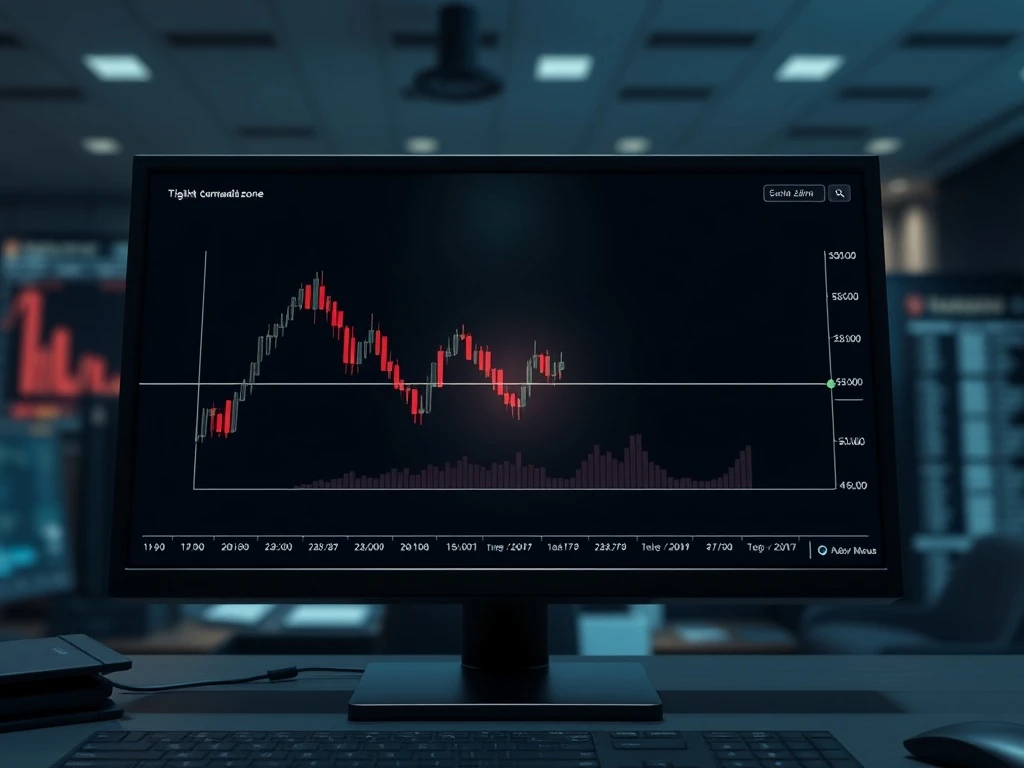
NEW YORK, March 21, 2026 — The Arbitrum (ARB) token, a leading Ethereum Layer 2 scaling solution, is flashing a critical technical signal that has veteran traders and analysts on high alert. Currently trading between $0.06 and $0.09, ARB sits approximately 96% below its all-time high of $2.425, recorded in early 2024. This plunge has positioned the asset inside a historically significant demand zone, where market technicians now identify the early formation of a classic Wyckoff Phase C accumulation structure. According to on-chain data and price action, signals of seller exhaustion and sustained demand absorption are active. A confirmed weekly close above the $0.23 resistance level would, analysts argue, signal the first major bullish structural shift, potentially initiating a new cycle with long-term targets extending toward $5.00 per token.
Decoding the Wyckoff Accumulation Pattern on Arbitrum Charts
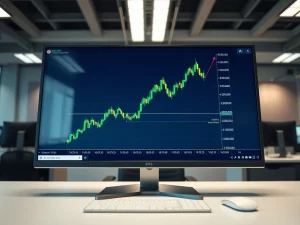
Market structure analysis from firms like Glassnode and independent chartists points to a textbook development. The Wyckoff method, a century-old framework for analyzing market cycles, outlines specific phases (A-E) of accumulation after a steep decline. “We are observing classic Phase C characteristics on ARB’s higher timeframes,” stated Marcus Chen, lead technical analyst at CryptoMetrics Advisory. “This phase, often called the ‘spring’ or ‘test,’ involves a final shakeout of weak hands before sustained demand takes control. The tight range-bound action between $0.06 and $0.09, on declining volume, suggests the large-scale distribution that caused the 96% drop is concluding.” Chen’s team cross-referenced this price action with on-chain metrics from IntoTheBlock, noting a stabilization in the balance held by long-term investors and a decrease in exchange inflows, corroborating the exhaustion narrative.
The timeline is crucial for context. ARB’s parabolic rise to its $2.40+ high coincided with the peak of the 2023-2024 Layer 2 narrative and a surge in network activity. However, the subsequent bear market and broader crypto downturn exposed vulnerabilities and led to a brutal revaluation. The token has now consolidated at these levels for nearly five months, a period significantly longer than previous corrective phases, suggesting a potential basing process. This extended consolidation provides the necessary timeframe for the sophisticated accumulation process outlined by the Wyckoff method to unfold.
The $0.23 Threshold: A Line in the Sand for Bullish Momentum
The immediate technical focal point for the market is the $0.23 price level. A decisive break and hold above this resistance would fulfill a key Wyckoff Phase D requirement, signaling the transition from accumulation to a markup phase. “$0.23 represents the upper boundary of the accumulation trading range we’ve identified,” explained Dr. Elara Vance, a quantitative researcher specializing in blockchain market microstructures. “A weekly close above it, especially on expanding volume, would confirm that demand has overwhelmingly absorbed the available supply. Our models then project an initial rally toward the $0.85–$1.20 zone, which was a previous support area in late 2024.” The implications are significant. Such a move would represent a gain of over 250% from the current zone, potentially restoring hundreds of millions in market capitalization and shifting overall market sentiment toward Layer 2 assets.
- Trader Psychology Shift: A break above $0.23 would likely trigger a wave of short covering and attract momentum-based capital, creating a self-reinforcing cycle.
- On-Chain Confirmation: Analysts will monitor net exchange outflow metrics and growth in addresses holding non-zero balances to confirm retail and institutional accumulation aligns with the price move.
- Ecosystem Impact: A rising ARB price could improve the economic security of the Arbitrum network and increase incentives for developers and users, creating a fundamental feedback loop.
Expert Analysis on the Broader Layer 2 Landscape
The setup for Arbitrum does not exist in a vacuum. According to a recent quarterly report from Messari, the broader Ethereum Layer 2 sector has continued to see growth in total value locked (TVL) and transaction throughput, even during the bear market. “Arbitrum remains a dominant player by TVL and developer activity,” the report notes, citing its robust ecosystem of decentralized applications. This fundamental strength provides a bedrock for the technical narrative. However, Jenna Li, a partner at blockchain venture firm Outlier Ventures, cautions that macro conditions remain a key variable. “While the Wyckoff setup is compelling for traders, the entire digital asset class remains sensitive to interest rate expectations and regulatory developments. A positive technical structure can be overridden by negative macro news.” This external link to traditional finance factors underscores the interconnected nature of modern crypto markets.
Historical Precedents and Comparative Token Recoveries
History offers cautious parallels. Other major crypto assets have experienced similar 90%+ drawdowns followed by multi-year accumulation phases before embarking on new bull cycles. The current ARB chart structure bears resemblance to the basing patterns observed in Ethereum during its 2018-2020 bear market and in several decentralized finance (DeFi) tokens in 2022-2023. The critical differentiator is the presence of a defined, methodical accumulation framework being identified in real-time by a consensus of analysts.
| Asset | Peak Drawdown | Consolidation Duration | Subsequent Cycle Peak |
|---|---|---|---|
| Ethereum (2018) | 94% | ~24 months | ~4,800% from low | Solana (2022) | 96% | ~12 months | ~1,000% from low* |
| Arbitrum (Current) | 96% | ~5 months (ongoing) | Projected: TBD |
*Solana’s recovery is still in progress; figure represents gain from 2022 low to 2025 high. This comparative data, while not predictive, illustrates the potential magnitude of recovery rallies following extreme capitulation, provided a genuine accumulation phase is completed.
The Path Forward: Triggers and Monitoring Points
The immediate future hinges on price action around the $0.09 support and the $0.23 resistance. Traders are advised to watch for increasing buy-side volume on tests of the demand zone and decreasing volume on pullbacks—key Wyckoff confirmation signals. Beyond pure price, fundamental catalysts could accelerate the process. The upcoming Arbitrum Stylus upgrade, which will allow developers to write smart contracts in traditional programming languages like Rust, is slated for mainnet release in Q2 2026. This could spur a new wave of development and usage. Furthermore, any positive regulatory clarity for Ethereum and its Layer 2s in the U.S. or EU would serve as a powerful macro tailwind.
Community and Institutional Sentiment Gauge
Within the crypto community, sentiment is cautiously bifurcated. On social platforms and developer forums, long-term believers point to Arbitrum’s unchanged technological edge and growing ecosystem. Skeptics, however, warn of “catching a falling knife” and emphasize the risk of further downside if broader market conditions deteriorate. On the institutional side, data from CoinShares shows minor but consistent weekly inflows into digital asset investment products with exposure to Ethereum ecosystem tokens, suggesting a slow, steady rebuilding of professional investor interest that could provide the fuel for a sustained move.
Conclusion
The Arbitrum token presents a high-stakes technical setup, trading at a 96% discount to its prior peak while exhibiting early signs of a Wyckoff accumulation pattern. The convergence of seller exhaustion signals, a defined demand zone, and underlying ecosystem strength creates a compelling narrative for tactical traders. The $0.23 level stands as the critical threshold to watch; a confirmed breakout would shift the structure from accumulation to markup, opening a path toward significantly higher prices. While macro risks remain, the identified pattern offers a structured framework for understanding ARB’s potential next move. Market participants should monitor volume profiles, on-chain holder behavior, and upcoming network developments closely in the coming weeks, as this setup reaches a potentially decisive inflection point.
Frequently Asked Questions
Q1: What exactly is a Wyckoff Phase C accumulation structure?
A Wyckoff Phase C is a stage in a market cycle where smart money is believed to be accumulating an asset after a major decline. It involves a final test of lows (a “spring”) to shake out remaining weak holders, occurring on low volume, before the price is propelled into a new markup phase. It signals the transition from distribution to accumulation.
Q2: Why is the $0.23 price level so important for Arbitrum?
Analysts have identified $0.23 as the upper boundary of the current accumulation trading range. A sustained break above it, particularly on high volume, would provide technical confirmation that demand has overcome supply, validating the accumulation thesis and likely triggering algorithmic and momentum buying.
Q3: How long do these accumulation phases typically last?
Duration varies widely based on the asset and market conditions. They can last from several months to over a year. For ARB, the current basing process has been underway for approximately five months, which is considered a substantial period for a cryptocurrency.
Q4: What are the biggest risks to this bullish setup?
The primary risks are broader cryptocurrency market downturns, negative regulatory news impacting Ethereum or Layer 2s, a failure to hold the $0.06–$0.09 demand zone, or a lack of follow-through buying volume if the price attempts to break $0.23.
Q5: How does Arbitrum’s fundamental health support this technical view?
Despite the price drop, Arbitrum maintains one of the largest Total Value Locked (TVL) figures and most active developer ecosystems in the Layer 2 sector. This underlying usage provides fundamental value and potential demand drivers separate from speculative trading.
Q6: What should a retail investor do with this information?
Investors should conduct their own research, understand the high volatility and risk of cryptocurrency investments, and not rely solely on technical patterns. This analysis highlights a market narrative and key levels to watch, not a guaranteed price prediction.