Binance Iran Transfers Spark Urgent Senate Scrutiny Over $1.7B in Alleged Sanctions Violations
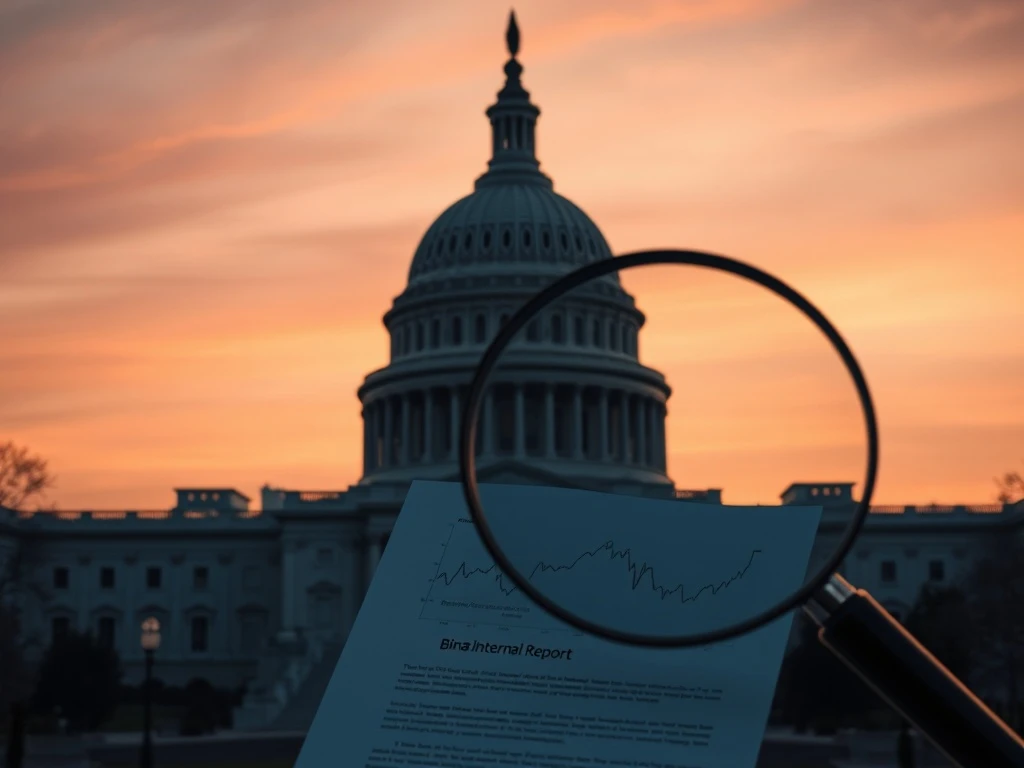
WASHINGTON, D.C. – March 2025 – A new U.S. Senate inquiry has thrust cryptocurrency giant Binance back into the regulatory spotlight, following explosive reports alleging the platform processed approximately $1.7 billion in transactions with Iranian entities. Senator Richard Blumenthal (D-CT) has formally opened an investigation, demanding internal documents and answers, thereby reviving intense scrutiny over the exchange’s historical anti-money laundering (AML) failures and its current standing with American authorities. This development signals a critical escalation in the ongoing clash between global crypto platforms and U.S. financial enforcement frameworks.
Binance Iran Transfers Trigger Immediate Legislative Response
Senator Blumenthal’s office dispatched a detailed letter to Binance CEO Richard Teng, citing recent blockchain analytics reports. Consequently, the senator seeks comprehensive records on all transactions involving Iranian users or digital wallets since 2018. Furthermore, the inquiry specifically requests internal compliance reviews, communications regarding Office of Foreign Assets Control (OFAC) sanctions lists, and audit trails for the flagged transactions. This request builds directly upon Binance’s November 2023 settlement with the U.S. Department of Justice, which included guilty pleas and a record $4.3 billion penalty for violations of the Bank Secrecy Act and sanctions laws.
The core allegation suggests that, despite past assurances and the historic settlement, potentially illicit financial flows persisted. Analysts note that blockchain’s transparency often leaves forensic trails, yet compliance depends on proactive monitoring. For instance, major traditional banks employ hundreds of sanctions screening specialists. In contrast, crypto exchanges have historically automated these processes, sometimes with gaps. This situation presents a significant test for Binance’s reformed compliance program under its new leadership.
Historical Context of Crypto AML Violations
To understand the gravity of the Senate’s probe, one must examine the established pattern of enforcement actions. The 2023 DOJ settlement was not an isolated event but the culmination of a multi-year investigation. Previously, regulators had consistently flagged deficiencies in Binance’s know-your-customer (KYC) and transaction monitoring systems. Notably, the Commodity Futures Trading Commission (CFTC) and the Securities and Exchange Commission (SEC) had filed parallel civil charges.
The table below outlines key recent enforcement actions against major crypto entities for AML and sanctions breaches:
| Entity | Year | Enforcing Agency | Core Violation | Penalty |
|---|---|---|---|---|
| Binance | 2023 | U.S. Department of Justice | BSA/AML & Sanctions Violations | $4.3 Billion |
| BitMEX | 2021 | CFTC / FinCEN | AML Program Failure | $100 Million |
| Bittrex | 2022 | OFAC / FinCEN | Sanctions Violations | $24 Million / $29 Million |
This pattern demonstrates a clear and escalating regulatory expectation. The alleged $1.7 billion in transfers, therefore, is not viewed in isolation. Instead, lawmakers perceive it as a potential indicator of systemic or residual compliance failures. The fundamental question is whether past problems were fully remediated.
Expert Analysis on Sanctions Evasion Risks
Financial compliance experts emphasize the severe implications of sanctions evasion. “The U.S. sanctions regime against Iran is among the most comprehensive in the world,” notes Dr. Elena Petrov, a former OFAC compliance officer and current Georgetown University adjunct professor. “Any platform, crypto or traditional, that facilitates significant value transfer to Iranian entities risks undermining a core tool of U.S. foreign policy. The scale of $1.7 billion is not a rounding error; it’s a massive sum that could materially impact the targeted economy.”
Petrov explains that modern sanctions compliance relies on a “defense-in-depth” strategy. This involves:
- Geographic Blocking: Automatically rejecting transactions from IP addresses in comprehensively sanctioned jurisdictions.
- Wallet Screening: Continuously scanning deposited funds against lists of sanctioned wallet addresses.
- Transaction Monitoring: Using behavioral analytics to flag patterns consistent with evasion, like structuring or layering.
- Customer Due Diligence: Rigorously verifying user identities and screening them against government lists.
A failure in any layer, experts argue, can lead to the type of alleged breaches now under Senate review. The technological challenge for global exchanges is immense, but regulators maintain that the legal obligation is non-negotiable.
Potential Impacts on Binance and the Crypto Industry
The immediate impact of the Senate probe is multifaceted. Primarily, it subjects Binance to renewed political and public scrutiny, potentially affecting its business operations and partnerships. Financial institutions that provide banking services to Binance may conduct enhanced due diligence. Moreover, the inquiry could influence ongoing litigation, including the SEC’s separate case against the exchange.
For the broader cryptocurrency industry, this event serves as another stark reminder. Regulatory expectations for AML and sanctions compliance are now firmly aligned with those for traditional finance. The era of claiming “technological novelty” as a shield against these obligations has decisively ended. Other exchanges are likely reviewing their own compliance protocols with increased urgency. Industry advocates worry that persistent negative headlines could slow institutional adoption and spur more restrictive legislation.
Conversely, some analysts see this as a necessary growing pain. “Robust, consistent enforcement is what builds long-term legitimacy,” argues Michael Chen, a partner at a fintech-focused venture fund. “The market needs clear rules and consequences. This process, while painful, ultimately creates the certainty that large-scale traditional investors require before allocating capital to digital assets.”
Conclusion
The Senate investigation into the alleged $1.7 billion in Binance Iran transfers represents a pivotal moment for cryptocurrency regulation. It tests the efficacy of past enforcement actions and the current compliance posture of the world’s largest digital asset exchange. Senator Blumenthal’s probe will likely produce findings that influence future policy, enforcement priorities, and the operational standards for the entire sector. The core issue transcends a single company, touching on the integrity of the global financial system and the application of U.S. national security tools in the digital age. The resolution of this matter will provide critical evidence on whether the cryptocurrency industry can operate at scale within the established frameworks of international finance and law.
FAQs
Q1: What exactly is Senator Blumenthal investigating regarding Binance?
A1: Senator Blumenthal is investigating reports that Binance processed approximately $1.7 billion in cryptocurrency transactions linked to Iranian entities, potentially violating U.S. sanctions. He has requested internal documents from Binance to understand the scope, compliance measures, and handling of these alleged transfers.
Q2: Didn’t Binance already settle with the U.S. government over similar issues?
A2: Yes. In November 2023, Binance settled with the U.S. Department of Justice, pleading guilty to charges related to anti-money laundering and sanctions violations and paying a $4.3 billion penalty. The new Senate probe examines whether problematic activity persisted after that settlement.
Q3: Why are transactions with Iran a problem for a cryptocurrency exchange?
A3: The United States maintains comprehensive economic sanctions against Iran. U.S. persons and companies, including those operating in the U.S. financial system, are generally prohibited from conducting business with Iranian entities. Facilitating such transactions can undermine U.S. foreign policy and national security objectives.
Q4: What could happen to Binance as a result of this Senate inquiry?
A4: The inquiry itself is an investigative step. Potential outcomes include a public hearing, a detailed report with findings, and referrals to enforcement agencies like the DOJ or OFAC for further action if violations are substantiated. It could also impact Binance’s reputation and banking relationships.
Q5: How does this affect everyday cryptocurrency users?
A5: For most users, the direct impact may be minimal. However, these events drive increased regulatory scrutiny industry-wide, which can lead to more stringent identity verification (KYC) requirements on all platforms. In the long term, effective regulation aims to create a more stable and secure ecosystem for all participants.