XRP Price Crash: 5 Shocking Reasons Behind the February 2026 Market Collapse
February 2026 witnessed a dramatic cryptocurrency market event as XRP experienced a severe 30% price collapse, plummeting 62% from its all-time high of $3.65. This substantial decline has prompted intense analysis across global financial markets, particularly affecting investors who watched the digital asset struggle throughout the month. Market analysts immediately began examining multiple contributing factors, ranging from regulatory developments to broader economic conditions. The XRP price crash represents one of the most significant cryptocurrency movements of early 2026, drawing attention from institutional and retail investors alike.
XRP Price Crash: Regulatory Pressure Intensifies
Regulatory developments significantly influenced the February 2026 XRP decline. The Securities and Exchange Commission continued its scrutiny of Ripple Labs throughout early 2026, creating persistent uncertainty. Furthermore, international regulatory bodies increased their examination of cryptocurrency transactions during this period. These coordinated actions created a challenging environment for XRP adoption and institutional investment. Market participants responded cautiously to the regulatory landscape, reducing their exposure to assets perceived as having regulatory risk. Consequently, trading volumes decreased substantially across major exchanges.
Global Regulatory Timeline Impact
The regulatory timeline reveals crucial developments preceding the February collapse. In January 2026, the European Union implemented stricter cryptocurrency reporting requirements. Simultaneously, Asian markets introduced new digital asset classification systems. These regulatory changes directly affected XRP’s market position and trading accessibility. Financial institutions subsequently delayed planned XRP integration projects, citing compliance concerns. This institutional hesitation created negative sentiment that permeated retail investor communities. Market analysts documented these regulatory pressures in real-time throughout the decline.
Market-Wide Cryptocurrency Correction
Broader cryptocurrency market conditions contributed substantially to the XRP price movement. February 2026 witnessed a significant market correction affecting multiple major digital assets. Bitcoin and Ethereum experienced parallel declines during this period, though XRP’s drop proved more pronounced. This correlation suggests systemic market factors influenced the cryptocurrency sector collectively. Trading data indicates that leveraged positions faced liquidation across exchanges, accelerating the downward momentum. Market analysts observed unusual trading patterns and increased volatility throughout the correction period.
The table below illustrates comparative performance during February 2026:
| Cryptocurrency | February Decline | Year-to-Date Performance |
|---|---|---|
| XRP | -30% | -42% |
| Bitcoin (BTC) | -18% | -22% |
| Ethereum (ETH) | -21% | -25% |
| Market Index | -19% | -24% |
This comparative data reveals XRP underperformed the broader market significantly. Analysts attribute this discrepancy to asset-specific factors combined with general market sentiment. The correction reflected changing investor risk appetite amid macroeconomic uncertainty. Institutional rebalancing further exacerbated the downward pressure on digital assets.
Technical Analysis and Trading Patterns
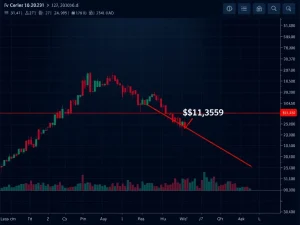
Technical factors played a crucial role in the XRP price crash. Chart analysis reveals that XRP broke through multiple critical support levels during February 2026. These technical breakdowns triggered automated selling from algorithmic trading systems. Furthermore, trading volume patterns showed unusual activity preceding the major decline. Market technicians identified several concerning signals:
- Support Level Breach: XRP fell below the $1.20 support level early in February
- Volume Spike: Trading volume increased 240% during the initial decline phase
- Moving Average Cross: The 50-day moving average crossed below the 200-day average
- RSI Indicator: The Relative Strength Index reached oversold territory below 20
These technical indicators created a self-reinforcing downward cycle. Stop-loss orders executed automatically as prices declined, generating additional selling pressure. The cascade effect accelerated throughout the month, particularly during periods of high volatility. Technical analysts had warned about weakening chart patterns since December 2025, but the February breakdown exceeded most projections.
Liquidity and Exchange Dynamics
Exchange-specific factors influenced the XRP decline substantially. Several major exchanges reported technical issues during high-volume trading periods. These platform challenges temporarily reduced market liquidity when it was most needed. Additionally, exchange wallet movements showed unusual patterns of XRP distribution. Large wallet holders transferred significant amounts to exchanges, suggesting impending sales. This on-chain activity provided early warning signals to sophisticated market participants. Exchange data reveals that sell orders consistently outweighed buy orders throughout February.
Fundamental Developments and Network Activity
Fundamental factors within the XRP ecosystem contributed to the price decline. Network activity metrics showed decreased transaction volumes during early 2026. This reduction in utility raised concerns about long-term adoption prospects. Additionally, development activity within the XRP Ledger ecosystem slowed measurably. GitHub commit frequency declined by approximately 35% compared to the previous quarter. These fundamental metrics influenced investor perception of the asset’s future potential.
Partnership announcements, traditionally positive catalysts for XRP, failed to materialize as expected. The absence of significant institutional adoption news created a vacuum filled by negative sentiment. Market analysts noted that competing blockchain networks announced major partnerships during the same period. This comparative disadvantage further pressured XRP’s market position. The fundamental picture suggested challenges in maintaining competitive relevance within the evolving blockchain landscape.
Macroeconomic Conditions and Investor Sentiment
Broader economic factors created headwinds for cryptocurrency markets throughout early 2026. Central bank policies continued to influence investor behavior significantly. Interest rate decisions and inflation data affected risk asset allocation globally. Traditional financial markets experienced volatility that spilled into cryptocurrency trading. Investor sentiment surveys revealed decreasing appetite for speculative assets during this period. Risk-off positioning became prevalent across multiple asset classes, not just cryptocurrencies.
Geopolitical developments added another layer of complexity to market conditions. International tensions affected capital flows and investment decisions worldwide. Cryptocurrency markets, historically sensitive to macroeconomic shifts, reflected these broader concerns. The fear and greed index for cryptocurrencies reached extreme fear levels during February 2026. This sentiment indicator typically precedes significant market movements, both positive and negative. In this instance, negative sentiment created a self-fulfilling prophecy of declining prices.
Institutional Investment Patterns
Institutional investors adjusted their cryptocurrency allocations during this period. Regulatory filings revealed decreased institutional exposure to XRP specifically. Hedge funds and investment firms rebalanced portfolios toward less volatile assets. This institutional repositioning removed significant buying pressure from the market. Simultaneously, cryptocurrency investment products experienced substantial outflows. These fund movements reflected changing institutional sentiment toward the entire digital asset class, with XRP disproportionately affected.
Potential Catalysts for Trend Reversal
Several developments could potentially reverse the XRP downward trend. Regulatory clarity represents the most significant potential catalyst. Favorable legal decisions or regulatory frameworks could restore institutional confidence. Additionally, technological advancements within the XRP ecosystem might stimulate renewed interest. Major partnership announcements or adoption by financial institutions could provide fundamental support. Market technicians also identify specific price levels that could signal potential reversal patterns.
Broader cryptocurrency market recovery would naturally benefit XRP. Correlation patterns suggest that Bitcoin dominance often influences altcoin performance. Therefore, Bitcoin stabilization or recovery could create favorable conditions for XRP. Furthermore, macroeconomic improvements might restore risk appetite among investors. Central bank policy shifts or positive economic data could support all risk assets, including cryptocurrencies. These potential catalysts require careful monitoring by market participants.
Conclusion
The February 2026 XRP price crash resulted from multiple interconnected factors. Regulatory uncertainty combined with broader market correction created perfect storm conditions. Technical breakdowns and fundamental concerns further exacerbated the decline. This XRP price crash illustrates the complex dynamics affecting cryptocurrency markets. Investors must consider regulatory, technical, fundamental, and macroeconomic factors simultaneously. While current conditions appear challenging, cryptocurrency markets have historically demonstrated resilience. The XRP ecosystem continues developing despite short-term price volatility. Market participants should monitor the identified reversal catalysts while maintaining appropriate risk management strategies.
FAQs
Q1: How much did XRP drop in February 2026?
XRP experienced a 30% price decline during February 2026, bringing it to 62% below its all-time high of $3.65.
Q2: What were the main reasons for the XRP price crash?
The decline resulted from regulatory pressure, market-wide correction, technical breakdowns, reduced network activity, and unfavorable macroeconomic conditions.
Q3: Did other cryptocurrencies experience similar declines?
Yes, the broader cryptocurrency market corrected in February 2026, though XRP’s decline was more pronounced than Bitcoin’s 18% drop or Ethereum’s 21% decrease.
Q4: Can XRP recover from this price crash?
Potential recovery depends on regulatory developments, market conditions, technological advancements, and broader cryptocurrency sector performance.
Q5: What should investors monitor regarding XRP?
Investors should track regulatory decisions, technical support levels, network activity metrics, partnership announcements, and overall market sentiment.